
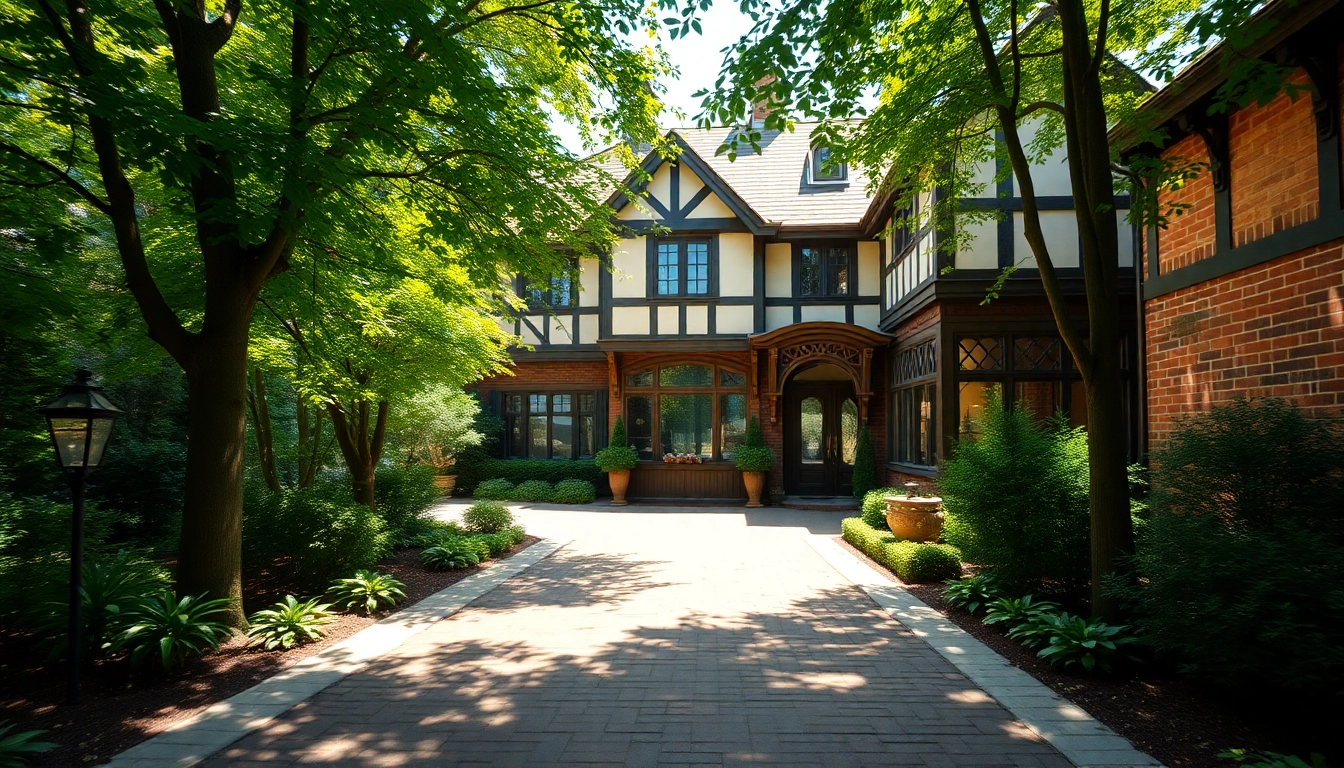
Understanding the Wellesley Tudor Expansion Concept
The Wellesley Tudor Expansion embodies a unique blend of architectural elegance and modern functionality. Tudor architecture, with its distinctive features and rich historical context, presents a compelling opportunity for homeowners looking to expand their living spaces while preserving traditional aesthetics. This article delves into the intricacies of Tudor architecture, the benefits of expanding Tudor-style homes, and the planning and execution of such projects.
Defining Tudor Architecture
Tudor architecture originated in England during the late 15th century and gained popularity throughout the 16th century, characterized by a blend of Gothic and Renaissance influences. Its hallmark features include steeply pitched roofs, decorative half-timbering, expansive brickwork, and tall, narrow windows adorned with intricate leaded glass. This architectural style evokes a sense of antiquity and charm, making it a favored choice for homeowners who desire both historical authenticity and modern comfort.
Key Features of the Wellesley Tudor Expansion
- Steep Rooflines: The iconic pitched roofs distinctively define the exterior silhouette.
- Half-Timbering: The combination of exposed wooden frames and plaster contributes to the nostalgic aesthetic.
- Rich Materials: Stone, brick, and timber add depth and character to the design.
- Architectural Details: Ornate gables, decorative chimneys, and leaded glass windows enhance visual interest.
Benefits of Expanding Tudor-style Homes
Expanding a Tudor-style home through the Wellesley Tudor Expansion can offer numerous advantages:
- Enhanced Space: More room for family and guests, accommodating modern lifestyles without sacrificing character.
- Increased Property Value: Thoughtfully designed expansions can significantly elevate the market value of your home.
- Preservation of Aesthetics: Expansions can be executed in line with original designs, maintaining the home’s historic charm.
- Sustainable Upgrades: Incorporating modern energy-efficient technologies can reduce utility costs while keeping the historical appeal.
Planning Your Wellesley Tudor Expansion
Assessing Your Current Space
The first step in planning a successful expansion is conducting a thorough assessment of your current space. This process involves not only evaluating the structural integrity of your existing home but also envisioning how new spaces will integrate with the old. Consider the following aspects:
- Evaluate current room sizes and functionality.
- Identify potential areas for expansion that will create a natural flow.
- Analyze site lines and views from different angles.
Design Considerations for a Tudor Expansion
When designing an expansion for a Tudor-style home, it’s critical to preserve its architectural integrity. Considerations should include:
- Maintaining material continuity, ensuring that the new construction blends seamlessly with existing structures.
- Incorporating period-appropriate architectural details, including gables, brackets, and window frames.
- Ensuring that the roofline of the new addition harmonizes with the originals, preserving the overall silhouette.
Obtaining Necessary Permits
When planning your expansion, understanding local zoning laws and building regulations is essential. A well-prepared application will speed up the permitting process. Consult with local planning boards and hire professionals who can navigate these regulations expertly.
Design Elements of the Wellesley Tudor Expansion
Incorporating Authentic Tudor Features
Integrating authentic Tudor features into your expansion can enrich the cohesion of your home’s design. Key elements to include are:
- Exposed wooden beams and trusses that echo the original architecture.
- Leaded glass windows that maintain the historic aesthetic while providing natural light.
- Exterior stone or brickwork that blends with the original materials.
Materials and Finishes for a Cohesive Look
Selecting the right materials is vital for achieving harmony in an expansion. Consider these practical tips:
- Use local stone or brick to maintain a consistent exterior appearance.
- Match paint colors, stains, and finishes to blend with pre-existing elements.
- Incorporate energy-efficient features that can go unnoticed yet promote sustainability.
Landscaping Ideas that Complement the Expansion
Landscaping plays a crucial role in enhancing the overall aesthetics of the Wellesley Tudor Expansion. Thoughtful design can provide a welcoming atmosphere while ensuring functionality:
- Create natural pathways that guide guests from the front door through landscaped hedges.
- Incorporate native plants that reflect the historical nature of the Tudor style.
- Utilize outdoor lighting to illuminate key architectural features at night.
Challenges and Solutions in the Wellesley Tudor Expansion
Common Issues Faced During Construction
Building or expanding upon existing structures often brings unforeseen challenges. Here are some common issues and their potential solutions:
- Structural Challenges: Always engage professional engineers to assess the viability of proposed changes.
- Material Matching: Source reclaimed materials from reputable suppliers to find pieces that blend well.
- Weather Delays: Plan construction timelines with contingencies for adverse weather.
Addressing Budget Constraints
Staying within budget can be a significant concern during home expansions. To manage costs effectively:
- Establish a realistic budget upfront while considering contingencies for overruns.
- Prioritize crucial elements, deferring less essential aspects for later phases.
- Consider funding options, such as home equity loans or grants for energy-efficient renovations.
Choosing the Right Professionals for Your Project
The success of your Wellesley Tudor Expansion greatly depends on assembling a skilled team. Essential professionals to consider include the following:
- Architects: Specializing in Tudor designs can ensure tailored solutions.
- Contractors: Look for builders experienced with historical renovations.
- Landscapers: To create cohesive outdoor spaces that complement the design.
Showcase Examples of Wellesley Tudor Expansion Projects
Residential Case Studies
To illustrate the successful execution of the Wellesley Tudor Expansion, let’s explore several residential case studies. These examples showcase various approaches, from modest additions to elaborate renovations that maintain the Tudor aesthetic while addressing homeowners’ needs.
Before and After Comparisons
Before-and-after comparisons reveal the transformational potential of well-planned expansions. Consider these insights:
- Adding a new family room can create a sun-lit space that invites togetherness.
- Expanding a kitchen can enhance both its functionality and the overall flow of the home.
Testimonials from Homeowners
Feedback from homeowners who have undergone the Wellesley Tudor Expansion reveals insights and satisfaction levels. Common remarks include:
“Our home feels like a true reflection of our style, harmonizing old and new beautifully.”
“We now have space for gatherings without losing the character we fell in love with.”
Frequently Asked Questions
What is Tudor architecture?
Tudor architecture is a style that originated in England, characterized by steep roofs, half-timbering, and detailed brickwork.
How can I ensure my expansion blends with my Tudor home?
Focus on using similar materials, colors, and design elements that reflect the original architecture for a seamless aesthetic.
What permits do I need for a home expansion?
Permits vary, but typically you’ll need building permits and possibly zoning approvals depending on your local regulations.
What are common challenges when expanding a Tudor home?
Challenges can include structural issues, matching materials, weather delays, and staying within budget constraints.
Can I add modern features to a Tudor-style home?
Yes! Incorporating energy-efficient appliances and sustainable materials can enhance functionality while preserving historical aesthetics.