
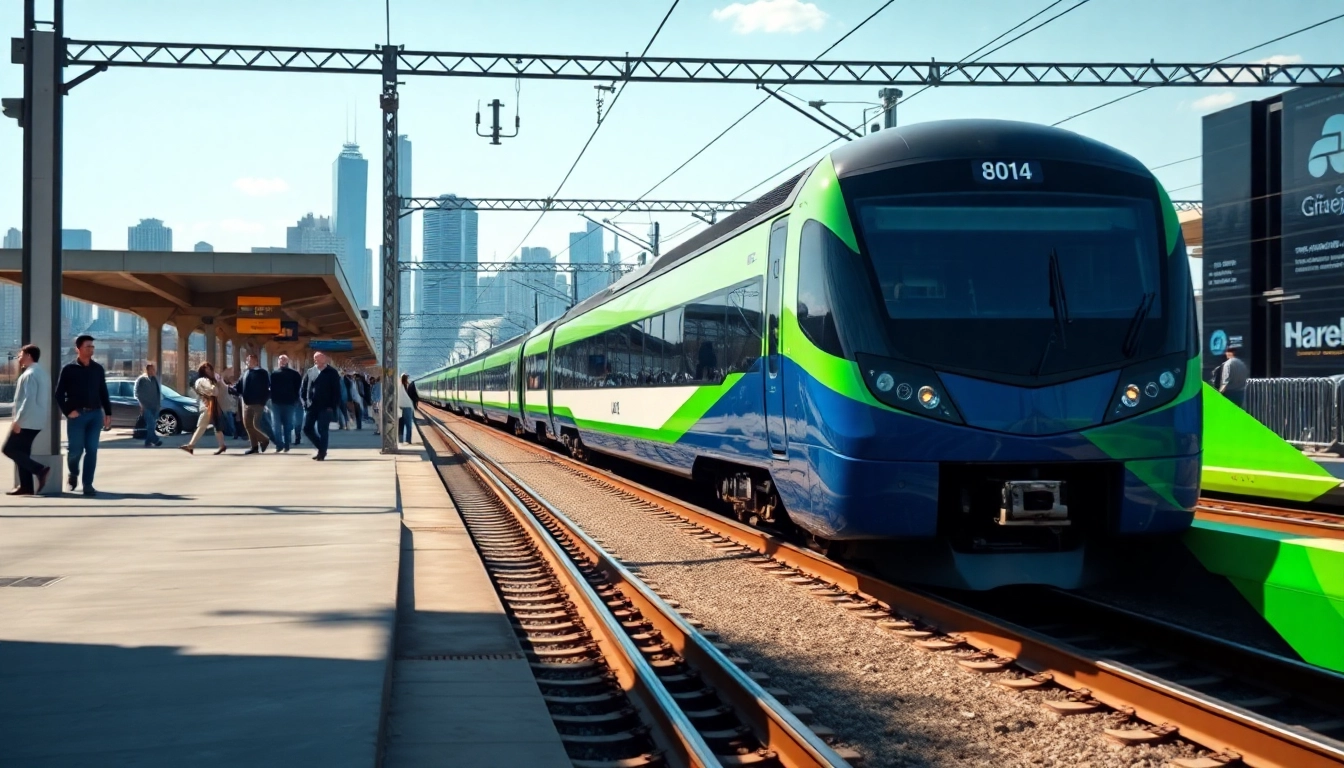
Understanding Rail Systems and Their Importance
Rail systems are critical to modern transportation networks, facilitating the movement of goods and people efficiently over vast distances. Their significance extends beyond just transportation; they play an essential role in economic development, urban planning, and environmental sustainability. In this article, we will delve into the intricacies of rail systems and explore their various components, challenges, and future prospects.
What Are Rail Systems?
Rail systems consist of a complex of components including rail tracks, rolling stock (trains), stations, and signaling systems. These components work in harmony to ensure efficient travel and freight transport. Rail systems can be classified into various types based on their usage, such as passenger rail, freight rail, light rail, and high-speed rail. Each category serves different needs and functions within the transportation ecosystem.
The Role of Rail Systems in Transportation
Rail systems are indispensable for a multitude of reasons:
- Efficiency: Trains can carry large volumes of passengers and freight, making rail a cost-effective mode of transportation.
- Environmental Impact: Trains produce lower greenhouse gas emissions per ton-mile compared to trucks, promoting a more sustainable transportation option.
- Economic Growth: Rail systems contribute significantly to local economies by creating jobs, facilitating trade, and enhancing regional connectivity.
Future Trends in Rail Systems
The future of rail systems is promising, with several trends emerging:
- Integration of Smart Technologies: Digitization is transforming rail operations through predictive maintenance, automated signaling, and real-time tracking of trains and freight.
- Electrification: Many rail systems are transitioning to electric trains to reduce dependence on fossil fuels and improve energy efficiency.
- High-Speed Rail Projects: Countries around the world are investing in high-speed rail to reduce travel time and improve connectivity between urban centers.
Current Challenges Facing Rail Systems
Infrastructure Limitations in Rail Systems
Despite their advantages, rail systems face significant infrastructure challenges. Aging tracks, inadequate bridge conditions, and outdated signaling systems hinder operational efficiency. Upgrading this infrastructure often requires substantial investment and planning, leading to delays and budget overruns. Public-private partnerships can be effective in addressing these challenges, allowing for the pooling of resources and expertise.
Environmental Concerns of Rail Systems
While rail systems are generally more environmentally friendly than road transport, they are not without challenges. The construction of new rail lines can destroy natural habitats and affect local ecosystems. Moreover, noise pollution from trains can be a concern for communities adjacent to active railways. Sustainable practices, such as using eco-friendly materials in construction and implementing noise reduction technologies, are critical in mitigating these effects.
Economic Impacts on Rail Systems
Economic fluctuations can have profound effects on rail systems. Budget constraints may lead to deferred maintenance and reduced service frequency. In contrast, economic growth can spur investments in infrastructure and expand rail services. Ensuring stable funding through government initiatives and user tariffs can help stabilize rail operations and improve service levels.
Best Practices for Improving Rail Systems
Adopting Smart Technology in Rail Systems
Harnessing technology is essential for enhancing rail systems. Implementing Internet of Things (IoT) technologies allows for real-time monitoring of train performance, predictive maintenance scheduling, and improved customer services through mobile applications and digital ticketing. Data analytics enables rail companies to optimize routes and enhance overall operational efficiency.
Enhancing Safety Measures in Rail Systems
Safety is paramount in rail operations. Regular training of personnel and the introduction of advanced safety mechanisms such as Positive Train Control (PTC) systems can reduce the risk of accidents. Comprehensive safety audits and risk assessments should be conducted regularly to ensure compliance and address emerging safety concerns effectively.
Strategies for Sustainable Rail Systems
To create sustainable rail systems, it is crucial to focus on renewable energy sources, including wind and solar power for station operations and electrified lines. Implementing practices such as recycling rail materials and reducing waste during construction also contributes to environmental sustainability. Engaging communities in sustainability initiatives fosters goodwill and supports local biodiversity efforts.
Case Studies of Successful Rail Systems
International Examples of Efficient Rail Systems
Globally, several rail systems exemplify efficiency and innovation:
- Shinkansen (Japan): Renowned for its punctuality and reliability, Japan’s high-speed rail system has transformed travel, significantly reducing congestion on roads.
- Vogtlandbahn (Germany): Utilizing regional partnerships, this German rail system successfully integrates local transport networks, enhancing accessibility for commuters.
Innovative Projects Transforming Rail Systems
Projects such as the Crossrail in London demonstrate innovation in urban rail systems. This new rail line connects major business districts, significantly enhancing public transport efficiency. Similarly, the California High-Speed Rail aims to revolutionize west coast travel by dramatically cutting transit times between major cities.
Lessons Learned from Successful Rail Systems
Successful rail systems provide valuable insights, including the importance of community engagement, sustainable practices, and the need for continuous innovation. Collaboration between governmental bodies and private stakeholders ensures funding and resource allocation are effectively managed to meet evolving transportation demands.
Measuring the Effectiveness of Rail Systems
Key Performance Indicators for Rail Systems
Determining the success of rail systems involves measuring various performance indicators, such as:
- On-Time Performance: This measures the percentage of trains that arrive on schedule, reflecting reliability.
- Passenger Satisfaction: Surveys and feedback channels can gauge the quality of the passenger experience, including comfort and service.
Monitoring Technology Impact on Rail Systems
Implementing tracking technologies enables real-time data collection on train efficiency and passenger usage. Monitoring systems help gauge the effectiveness of innovations and identify areas needing improvement, such as delays or overcrowding.
Feedback Mechanisms for Rail Systems Improvement
Regular feedback from passengers and freight customers is vital for refining services. Establishing dedicated communication channels, such as online forums and surveys, allows rail operators to solicit input and respond to public concerns effectively.
Frequently Asked Questions
What are rail systems?
Rail systems refer to the network of tracks, trains, and infrastructure used to transport goods and passengers efficiently. They encompass various types, including freight and passenger lines.
How do rail systems contribute to the economy?
Rail systems enhance economic growth by providing reliable transportation, creating jobs, and facilitating trade between regions, which stimulates local economies.
What are the environmental benefits of rail systems?
Rail systems typically emit fewer greenhouse gases per ton-mile than trucks, making them a more environmentally friendly transportation option, especially when using electric trains.
What innovations are being integrated into rail systems?
Innovations such as IoT for monitoring, automated signaling, and high-speed rail projects aim to improve efficiency and enhance passenger experiences within rail systems.
How is safety maintained in rail systems?
Safety in rail systems is upheld through regular training, implementation of advanced safety technologies, and conducting comprehensive safety audits to identify and mitigate risks.