
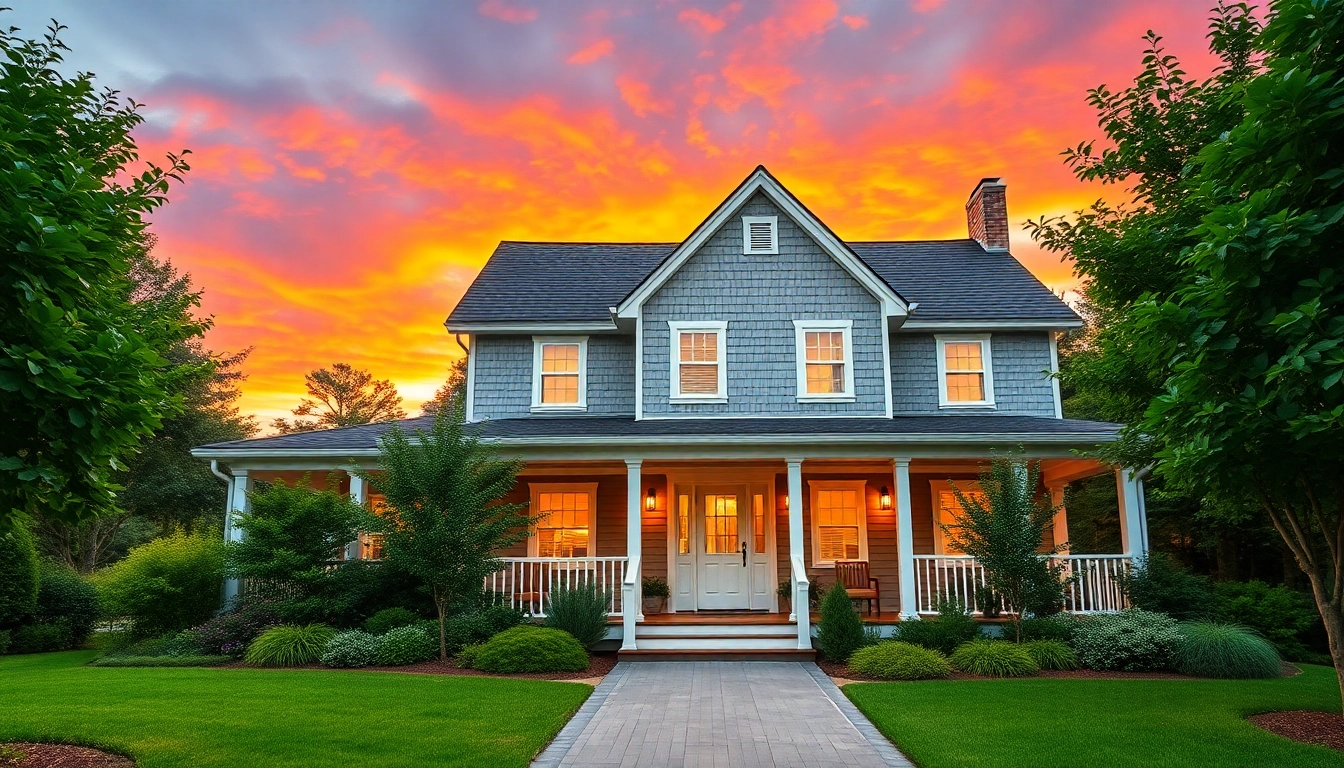
Understanding Cape Cod Home Design
The cape cod home design embodies a timeless New England architectural style. This type of home is characterized by its simple beauty, symmetrical lines, and functional layouts. Whether you reside in a classic Cape Cod structure or are considering expansion, understanding the design elements and historical essence is vital to preserving your home’s charm while ensuring modern livability.
History and Origins of Cape Cod Homes
Originally built in the 17th century, Cape Cod homes were designed to withstand the harsh northeastern winters. Their steep roofs allowed snow to slide off easily, while the centrally located chimney maximized heat retention from the home’s fire. Constructed primarily by English settlers, these homes were modest single-story dwellings made from local materials, primarily wood. The prevailing economic conditions of the time often dictated the homes’ designs, emphasizing practicality over opulence.
Key Architectural Elements
A typical Cape Cod home features a steeply pitched roof, dormer windows, and symmetrical facades. The homes are commonly clad in wood shingles or clapboard, painted in muted colors. Windows are double-hung with shutters, often underlined by a solid front door. Inside, open floor plans are popular, as they create a sense of spaciousness, balancing the compact exterior. Fireplaces not only provide warmth but also serve as a focal point in the living space. The design’s focus on verticality complements the low-slung nature of the home, creating a charming, quintessential New England vibe.
Modern Adaptations of Cape Cod Style
As architectural tastes have evolved, so too have adaptations of the Cape Cod style. Contemporary interpretations often integrate larger windows and open spaces to promote natural light and indoor-outdoor connections, offering a more expansive feel without compromising the integrity of the original design. Eco-friendly materials and energy-efficient technologies are increasingly utilized, aligning with modern sustainability goals while keeping the charm of the cape cod home alive.
Planning Your Cape Cod Home Expansion
Expanding your cape cod home can bring both additional space and a unique opportunity to enhance its charm. However, careful planning is essential to ensure that the new elements complement the existing structure.
Assessing Space and Layout Needs
Begin by evaluating your current living space. Consider factors like family size, lifestyle changes, and functional requirements. Are there specific areas that need upgrading or expanding, such as bedrooms, bathrooms, or living areas? Draft a list of priorities based on these assessments and visualize how the new spaces will flow into existing areas. Engaging a professional can assist in identifying the potential for expansion while maintaining structural integrity.
Incorporating Functional Design
Practicality is key in home design. Consider multi-functional spaces that can adapt to your family’s needs over time. For example, a guest room could also serve as a home office or playroom. Features like built-in storage solutions and open-concept layouts can also maximize space utility. Collaboration with an architect who understands the Cape Cod style will ensure functional enhancements don’t compromise aesthetic appeal.
Budgeting for Your Project
Developing a comprehensive budget for your expansion is critical. Begin by obtaining estimates for construction, materials, permits, and potential unexpected costs. Factor in what level of finishes you’re aiming for, as luxury elements can significantly increase costs. Preparing for contingencies can safeguard against budget overruns and keep the project on track.
Materials and Construction Considerations
When renovating or expanding a cape cod home, the choice of materials directly impacts both aesthetic and structural integrity. With so many options available, understanding the right materials for your project is essential.
Choosing the Right Materials
Classic materials like cedar shingles not only contribute to the traditional style of a Cape Cod home but also offer durability and low maintenance. Consider energy-efficient windows and doors that blend seamlessly with the aesthetics while enhancing the home’s overall insulation. Consulting local suppliers can provide insights into materials that weather local conditions effectively and maintain the character of existing structures.
Energy Efficiency in Cape Cod Homes
Energy efficiency is an increasingly important aspect in modern home design. Insulated roofing, high-performance windows, and sustainable building materials can drastically reduce energy consumption. Implementing smart home technologies allows homeowners to monitor energy use and optimize settings accordingly. When designing new additions, consider passive solar design, which utilizes sunlight’s positioning to naturally heat and light the home.
Building Codes and Regulations
Before embarking on an expansion project, familiarize yourself with local building codes and regulations that specifically pertain to Cape Cod homes. These codes ensure that renovations meet safety standards while preserving historical integrity. Engage with local zoning boards, and if necessary, consult with a lawyer or an architect familiar with the area’s specific legal requirements to avoid costly delays and ensure compliance.
Interior Design Ideas for Cape Cod Homes
The interior design of your Cape Cod home plays a pivotal role in the overall aesthetics and functionality. Adopting design principles that complement the architectural features while enhancing comfort is essential.
Color Schemes That Inspire
Traditionally, Cape Cod homes feature pale, coastal-inspired color palettes that evoke the nearby ocean and land. Whites, soft grays, blues, and beiges as primary colors are perfect because they reflect natural light beautifully. Accents can be added through textiles or decor items that incorporate bolder hues representing the sea and sky. The overall effect should radiate serenity while also feeling inviting.
Furniture and Decor Tips
Opt for furniture that combines comfort and aesthetics, fitting the casual, coastal lifestyle often associated with Cape Cod homes. Consider using natural fabrics and materials that reflect a beach-inspired vibe. To keep spaces uncluttered, select multifunctional furniture, such as storage ottomans and convertible sofas. Incorporate elements like nautical decor, driftwood accents, and local artwork to emphasize the connection to coastal living.
Maximizing Small Spaces
Even small Cape Cod homes can feel expansive with smart design choices. Use vertical space effectively by adding shelves or tall cabinetry to reduce floor clutter. Mirrors can create an illusion of depth, and light-colored palettes can enhance brightness. Arranging furniture to create distinct zones while maintaining an open feel contributes to both functionality and visual appeal.
FAQs About Cape Cod Homes
What defines the architectural style of a Cape Cod home?
A Cape Cod home is characterized by its steep roof, symmetrical facade, dormer windows, and use of local materials. It emphasizes functionality and simplicity, making it a classic New England design.
How can I expand my Cape Cod home without losing its charm?
When expanding, use similar materials and architectural features to maintain the home’s visual identity. Focus on functional, versatile design while ensuring the addition complements the existing layout.
What materials are most suitable for a Cape Cod home’s exterior?
Cedar shingles, clapboard siding, and natural wood are ideal for exterior finishes. These materials align well with the traditional style and withstand local weather conditions effectively.
Are there specific building codes for Cape Cod homes?
Yes, building codes ensure adherence to safety and preservation standards. It’s important to consult local regulations before undertaking any renovation or expansion to comply with legal requirements.
How can I make a smaller Cape Cod home feel larger?
Utilize light colors, strategic furniture placement, and vertical storage to maximize space. Employing mirrors and open shelving can create a sense of openness, making small spaces feel larger.