
- Understanding License Plate Recognition Camera Technology
- The Benefits of Using a License Plate Recognition Camera
- Choosing the Right License Plate Recognition Camera
- Installation and Maintenance of License Plate Recognition Cameras
- Future Trends in License Plate Recognition Technology
- Frequently Asked Questions
Understanding License Plate Recognition Camera Technology
What is a License Plate Recognition Camera?
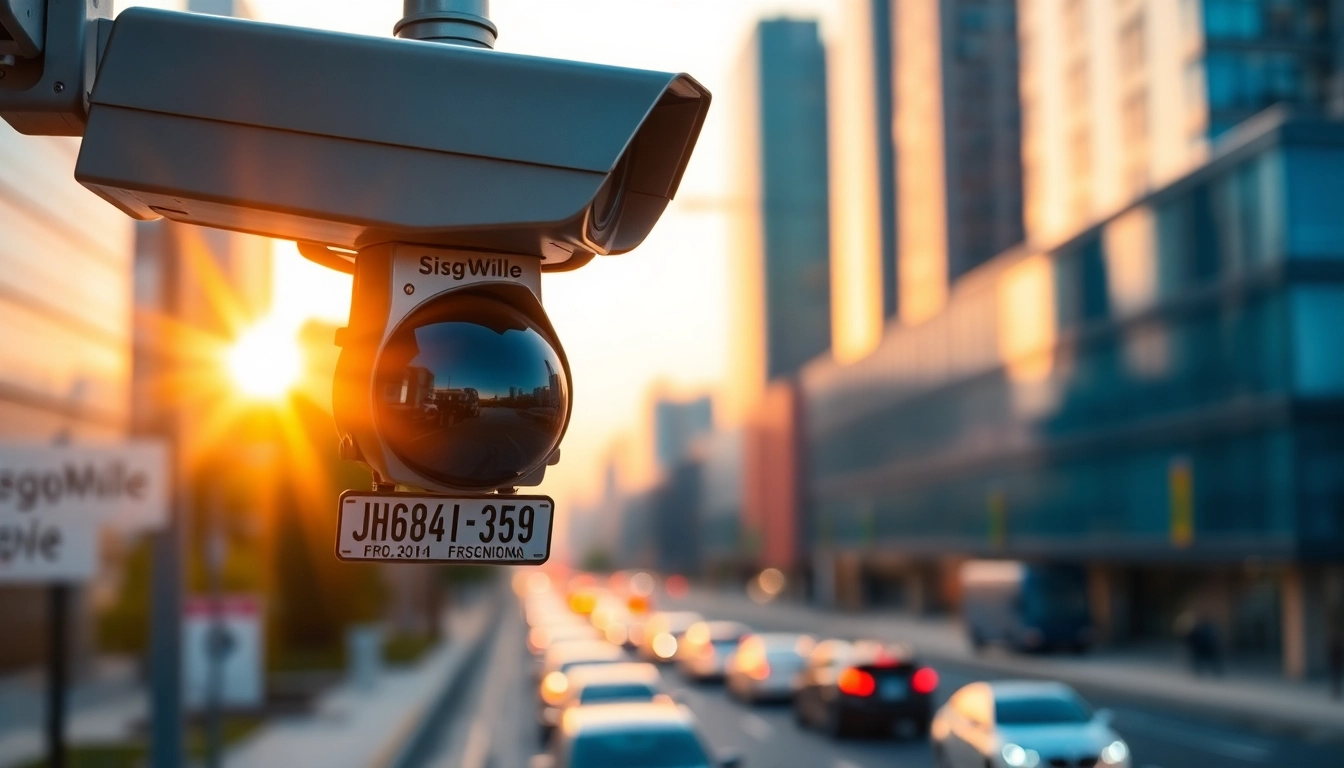
License plate recognition (LPR) cameras are specialized devices designed to capture the images of license plates on vehicles as they pass by. These cameras employ optical character recognition (OCR) technology to analyze and interpret the alphanumeric characters displayed on a license plate. They have become increasingly important in various applications, including traffic management, security, and law enforcement. By swiftly collecting data, license plate recognition camera systems enable automatic tracking and identification of vehicles.
How Does License Plate Recognition Work?
The functionality of license plate recognition cameras is based on several key processes. Firstly, upon detecting a vehicle, the camera captures high-resolution images. Utilizing advanced image processing algorithms, the camera isolates the license plate from the rest of the scene. Next, the OCR technology converts the visual data into readable text by identifying the numbers and letters on the plate. This data can then be analyzed and stored for a multitude of purposes, aiding in operations ranging from toll collections to real-time monitoring for law enforcement.
Key Features of License Plate Recognition Cameras
- High-Resolution Imaging: Essential for capturing clear images even from a distance or at high speeds.
- Infrared Technology: Allows for nighttime operation, ensuring functionality in low-light conditions.
- Real-Time Data Processing: Capable of processing images and data on-the-fly for immediate action or logging.
- Integration Capabilities: Many LPR systems can be integrated with existing security infrastructure and databases.
- Cloud Storage: Some systems offer cloud-based storage options for better accessibility and data safety.
The Benefits of Using a License Plate Recognition Camera
Enhanced Security and Surveillance
One of the most significant advantages of employing license plate recognition cameras is the enhancement of security in both public and private environments. These systems allow for real-time monitoring of entrances and exits, significantly boosting surveillance capabilities in parking lots, gated communities, and critical infrastructures. Additionally, alerts can be set up to notify security personnel when a vehicle of interest is detected.
Streamlining Traffic Management
License plate recognition technology plays a crucial role in modern traffic management systems. By collecting and analyzing data related to vehicle flow, authorities can manage congestion, monitor traffic speed, and improve overall road safety. Systems utilizing LPR can also aid in the efficient control of toll booths and congestion charge areas, leading to smoother travel experiences for drivers.
Increasing Efficiency in Law Enforcement
Law enforcement agencies particularly benefit from license plate recognition cameras, as these systems streamline numerous operational processes. By integrating LPR technology, police can efficiently track stolen vehicles, ensure compliance with parking regulations, and even gather evidence in criminal investigations. The ability to rapidly process and cross-reference license plate data with databases elevates the proficiency of law enforcement operations.
Choosing the Right License Plate Recognition Camera
Factors to Consider When Selecting a Camera
When selecting a license plate recognition camera, several factors warrant careful consideration to ensure alignment with your specific needs:
- Image Quality: Opt for a camera with high resolution for optimal plate recognition.
- Field of View: Consider cameras with adjustable angles for better coverage.
- Environmental Resilience: Ensure the camera is designed for the weather conditions it will face.
- Installation Flexibility: Choose cameras that allow for versatile mounting options.
- Software Compatibility: Check if the camera can seamlessly integrate with other technology.
Comparing Different Models and Features
Not all license plate recognition cameras are created equal. While comparing models, it’s vital to evaluate features such as:
- Detection Speed: Consider how quickly the camera can capture and recognize license plates.
- Data Storage Capacity: Investigate options for local versus cloud storage solutions.
- Integration with Other Systems: Look for cameras that can connect with existing security systems or software.
- Night Vision Capability: Ensure the camera can effectively operate in varied lighting conditions.
Understanding Pricing and Budgeting
Budgeting for a license plate recognition camera system involves more than just the initial purchase price. Consider ongoing costs such as installation, maintenance, and software licensing. Research options within your budget and balance cost against the features offered to arrive at a decision that meets your security requirements without overspending.
Installation and Maintenance of License Plate Recognition Cameras
Best Practices for Installation
Executing a successful installation of a license plate recognition camera requires careful planning. Here are notable best practices:
- Site Assessment: Evaluate the location for optimal angles and sightlines to prevent obstructions.
- Height and Angle: Mount the camera at a height that maximizes plate visibility without interfering with traffic.
- Power and Network Connections: Ensure reliable power supply and network connections for uninterrupted operation.
- Testing: After installation, rigorously test the system to ensure correct functionality and coverage.
Routine Maintenance Tips
To enhance the longevity and performance of license plate recognition systems, adhere to regular maintenance practices:
- Periodic Cleaning: Keep the lenses clean from dirt or debris that can impair visibility.
- Software Updates: Regularly update the camera firmware and software to benefit from performance enhancements and security patches.
- Routine Audits: Conduct periodic system checks to verify that all components are functioning correctly.
Common Issues and Troubleshooting
Users may encounter common issues with license plate recognition cameras, such as:
- Image Distortion: If images are unclear, check the focus and cleaning of the lens.
- No Network Connection: Ensure power and network cables are securely connected.
- Inconsistent Recognition Rates: Evaluate camera positioning and environmental lighting conditions affecting performance.
Future Trends in License Plate Recognition Technology
Integration with Smart City Initiatives
The evolution of smart cities incorporates license plate recognition technology to enhance urban management. By integrating LPR cameras into city infrastructure, authorities can monitor traffic flow, manage parking, and improve public safety. Data generated by these systems can provide critical insights, thereby informing policymakers and enhancing citizen engagement.
Advancements in AI and Machine Learning
As artificial intelligence and machine learning continue to advance, their integration with license plate recognition cameras is poised to enhance accuracy and functionality. AI algorithms can help refine image processing, allowing for better recognition even under challenging conditions. This could significantly bolster the effectiveness of LPR systems in various applications, from law enforcement to commercial security.
Potential Impact on Privacy and Regulation
The rapid proliferation of license plate recognition technology raises important ethical and privacy concerns. Discussions regarding data privacy regulations are increasingly vital to ensure that collected data is handled responsibly. Stakeholders must navigate the tension between effective law enforcement and the protection of individual privacy rights, fostering an environment of trust and transparency.
Frequently Asked Questions
What security camera detects license plates?
License plate recognition cameras are designed specifically for capturing and analyzing license plates from moving vehicles, providing essential data for security and monitoring.
Can license plate recognition cameras be used for personal security?
Yes, these cameras can enhance personal security at homes or businesses by tracking vehicles and granting access to authorized ones, improving overall safety.
How do license plate recognition cameras aid law enforcement?
Law enforcement agencies use these cameras to track stolen vehicles, manage parking enforcement, and enhance public safety operations through real-time data collection.
Are there privacy concerns with license plate recognition cameras?
Yes, privacy concerns arise regarding data retention and surveillance, creating ongoing discussions about regulations and safeguarding individual rights.
What are the costs associated with license plate recognition cameras?
Costs can vary significantly, depending on features and technology. Buyers should consider factors such as initial purchase prices, installation, and ongoing maintenance expenses.