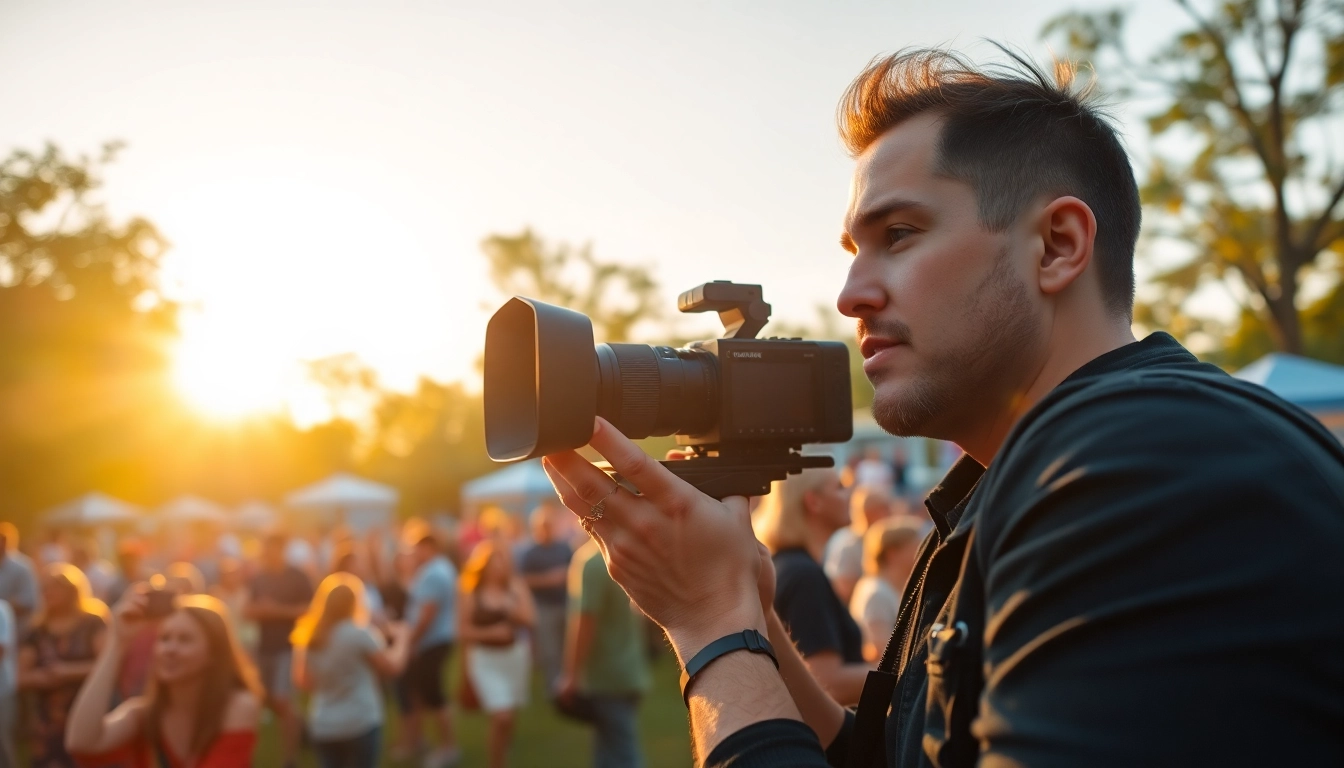
Understanding the Role of a Videographer
In today’s digital age, visual storytelling holds more power than ever. Within this realm, the role of a Videographer has emerged as a crucial profession, blending technical skill with artistic vision. Whether capturing live events, creating promotional content, or documenting personal milestones, videographers play an essential part in bringing stories to life through moving images.
Definition and Importance of Videography
Videography, at its core, involves recording and editing video content for a variety of purposes. A videographer is an individual skilled in this craft, proficient in utilizing both technical equipment and editing software to create compelling visual narratives. The importance of videography extends beyond mere recording; it encompasses the ability to evoke emotions, convey messages, and engage audiences. In fields ranging from marketing to personal events, the impact of professional videography can significantly enhance the overall experience for viewers, making it a sought-after service in today’s visually driven culture.
Different Types of Videographers
Videographers can specialize in various niches, each requiring unique skills and approaches. Here are some common categories:
- Event Videographers: Specialize in capturing significant life events such as weddings, birthdays, and corporate gatherings. They focus on storytelling, documenting key moments while blending into the background.
- Commercial Videographers: Work with businesses to create promotional videos, advertisements, and branded content. This type of videographer needs to understand marketing principles and audience engagement.
- Documentary Videographers: Capture real-life stories and events, often requiring extensive research and an ability to create compelling narratives from real footage.
- Freelance Videographers: Operate independently, offering a blend of services for various clients, maintaining flexibility in project scope and type.
- Film Videographers: Involved in movie production, focusing on storytelling, shot composition, and technical cinematography skills.
Common Misconceptions about Videographers
Despite the evolving landscape of visual media, misconceptions about the role of videographers persist. Some common misunderstandings include:
- Anyone with a Camera is a Videographer: While owning a camera is essential, the expertise required to create professional-quality videos goes far beyond basic operation. It includes knowledge of composition, lighting, sound design, and post-production techniques.
- Videographers Only Shoot Videos: Many videographers also engage in pre-production planning and post-production editing, ensuring a video meets client expectations from conception to final product.
- Videography is a Dying Profession: On the contrary, with the rise of digital marketing and online content consumption, the demand for skilled videographers continues to grow.
Essential Skills for a Videographer
To excel as a videographer, one must develop a variety of skills that cover both technical and creative aspects of the profession.
Technical Skills that Every Videographer Needs
Proficiency in technical skills is vital for any successful videographer. These skills include:
- Camera Operation: An understanding of how to operate various camera models, including DSLRs, camcorders, and professional cinema cameras.
- Lighting Techniques: Knowledge of lighting setups, including natural light and artificial lights, to create the desired mood and clarity in videos.
- Audio Recording: Grasp of audio equipment and techniques for capturing clear sound, which is crucial for any video production.
- Editing Software Proficiency: Familiarity with editing software such as Adobe Premiere Pro, Final Cut Pro, or DaVinci Resolve allows videographers to cut, refine, and enhance their footage post-shoot.
- Understanding of Formats and Codecs: Knowledge about different video formats, compression techniques, and distribution platforms to ensure optimal quality across media.
Creative Skills that Enhance Videographer Work
Beyond technical abilities, creative skills play a significant role in a videographer's success. This includes:
- Storytelling Ability: The capacity to weave compelling narratives through visuals, ensuring that videos resonate with viewers.
- Visual Composition: Knowledge of framing, angles, and the rule of thirds to create aesthetically pleasing shots.
- Adaptability: Being able to adjust creative visions based on the project, client input, and on-site conditions.
- Attention to Detail: Ensuring that every frame is purposeful and contributes to the overall narrative and quality of the video.
Communication and Collaboration in Videography
Successful videography often involves collaboration with clients, crew members, and other stakeholders. Effective communication is key to understanding project goals, providing feedback, and bringing together diverse perspectives. Skills such as active listening, clear articulation of ideas, and flexibility in working with others greatly enhance a videographer’s ability to capture the vision that stakeholders wish to portray.
Tools of the Trade for a Videographer
A videographer's toolkit is essential for producing high-quality content. The right equipment and software directly affect the outcome of any video project.
Must-Have Equipment for Every Videographer
Investing in quality equipment is crucial for videographers. Some essential gear includes:
- Camera: A reliable camera suited for the type of videography being pursued, whether it’s DSLR, mirrorless, or a high-end cinema camera.
- Tripod/Stabilizer: Stability is key in videography; good tripods and gimbals help create smooth, professional shots.
- Lighting Kit: Softboxes, LED panels, and reflectors can enhance shot quality, especially in indoor or low-light environments.
- Microphones: Use high-quality microphones, such as lavalier, shotgun, or handheld options, to ensure clear audio capture.
- Storage Solutions: Adequate memory cards and external hard drives to store large video files are crucial for any videographer.
Software and Technology in Videography
Beyond hardware, software plays a vital role in video production and post-production. Key software includes:
- Video Editing Software: Applications like Adobe Premiere Pro and Final Cut Pro allow videographers to edit and finalize videos effectively.
- Audio Editing Software: Programs such as Audacity or Adobe Audition can help refine audio quality and rectify sound issues.
- Color Grading Software: Tools like DaVinci Resolve aid in achieving consistent and artistic color tones in videos.
- Storyboard Applications: Using tools like Celtx can help in planning and visualizing the shoot before production.
Budgeting for Videography Tools
When starting as a videographer, it’s crucial to budget effectively for equipment and software:
- Identify Essential Gear: Focus first on must-haves rather than splurging on brands or models that are not essential.
- Used Equipment: Consider purchasing second-hand gear to save costs while still acquiring quality tools.
- Software Subscriptions: Explore subscription-based services, which can be more affordable upfront than one-time licenses.
- Create a Portfolio Budget: Allocate funds for building a portfolio through real projects or collaborative efforts with others.
Challenges Faced by a Videographer
While the opportunities in videography are abundant, several challenges can arise that require effective management strategies.
Handling Client Expectations
Clients often have high expectations or specific desires for their video content, which can lead to misunderstandings. To manage this:
- Clear Communication: Ensure that clients outline their vision and expectations before starting the project to avoid any future misalignments.
- Set Realistic Timelines: Discuss and agree on deadlines early on to prevent rushed final products.
- Provide Samples: Sharing previous work samples can help set realistic expectations regarding style and quality.
Working Under Pressure and Time Constraints
Projects often come with tight deadlines or high-stakes situations. To perform well under pressure:
- Prioritize Tasks: Break down projects into manageable tasks and prioritize them based on the timeline.
- Practice Time Management: Use tools such as calendars and reminders to keep track of tasks and deadlines efficiently.
- Stay Flexible: Be prepared to adapt to unexpected changes or challenges that may arise during production.
Dealing with Technical Difficulties
Technical issues can occur at any moment during filming or editing. To mitigate these risks:
- Conduct Pre-Production Checks: Always check equipment functionality before the shoot day to avoid surprises.
- Have Backup Equipment: Carry extra batteries, memory cards, and even a backup camera whenever possible.
- Know Your Software: Familiarize yourself with troubleshooting common software issues by researching or taking training sessions.
Advancing Your Career as a Videographer
Continuous growth is essential for a successful videography career. Here are crucial steps to advance professionally.
Building a Portfolio that Stands Out
A professional portfolio serves as a vital tool for attracting new clients and showcasing your skills. To create a successful portfolio:
- Diverse Projects: Include a range of projects that exemplify your skill set and versatility across different genres and styles.
- Quality Over Quantity: Focus on showcasing your best work rather than providing a large quantity of mediocre examples.
- Highlight Client Testimonials: Integrate positive feedback from clients to build credibility and trust.
Marketing Yourself as a Videographer
Effective marketing strategies are essential for standing out in a competitive field:
- Utilize Social Media: Platforms like Instagram, YouTube, and Facebook can help showcase your work and connect with potential clients.
- Create a Website: A professional website acts as a hub for your portfolio, contact information, and any blog or additional content that helps establish authority.
- Network: Attend industry events and join online communities to connect with fellow videographers and potential collaborators.
Continuing Education and Networking Opportunities
Staying up-to-date with industry trends and continuously developing skills is vital for longevity in your career:
- Take Workshops and Courses: Enroll in workshops or online courses that cover new techniques and trends in videography.
- Join Professional Organizations: Affiliating with industry organizations can provide valuable resources, networking opportunities, and potential client connections.
- Stay Informed: Follow industry stalwarts and media contents on platforms like YouTube and podcasts to learn from leaders in the field.