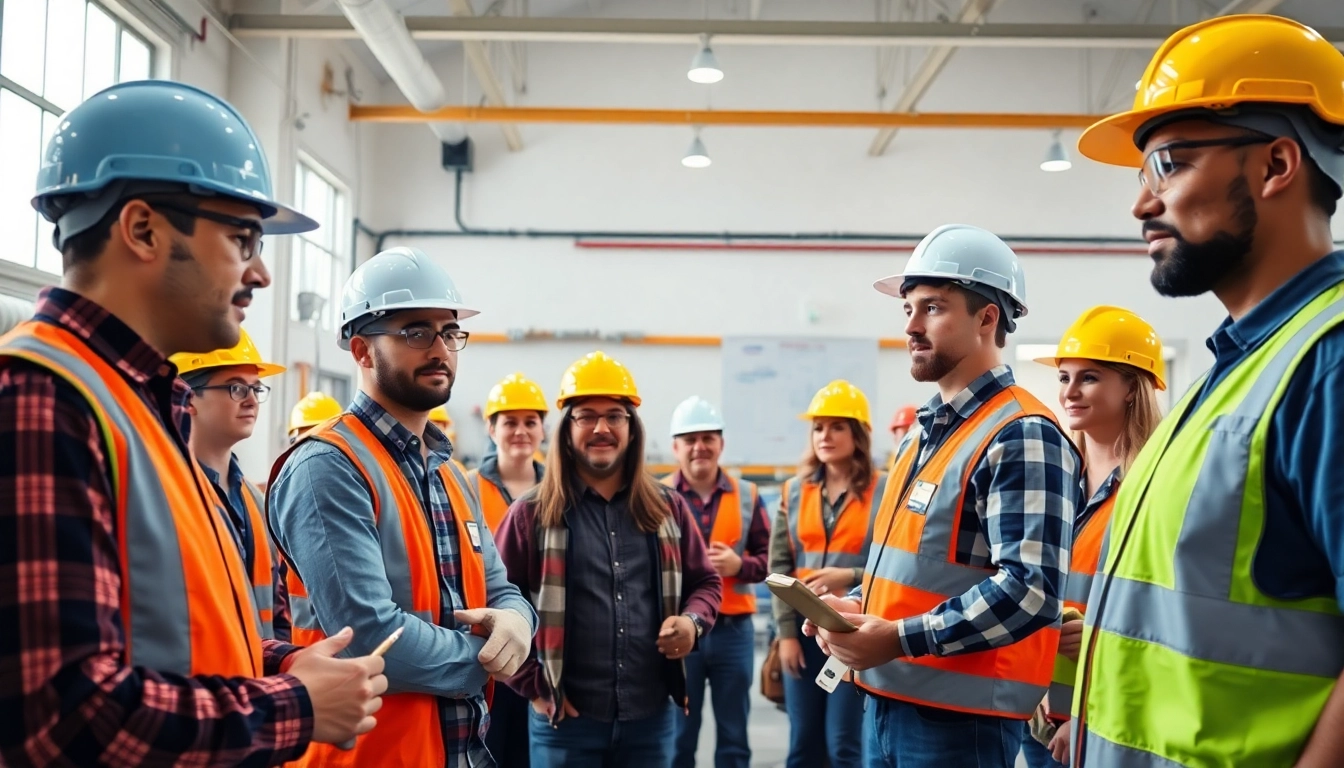
Understanding Construction Safety Training
Definition and Importance of Construction Safety Training
Construction safety training encompasses structured programs designed to educate workers about the hazards and safety protocols associated with construction sites. It aims to minimize accidents, injuries, and fatalities by providing workers with the necessary knowledge and skills to operate safely in a potentially dangerous environment.
The importance of construction safety training cannot be overstated. It not only protects employees but also contributes to overall organizational productivity by reducing downtime from accidents. A strong safety record can enhance a company's reputation, boost employee morale, and lead to financial benefits through lower insurance rates and fewer legal fees.
Key Regulatory Standards in Construction Safety
Regulatory standards play a vital role in shaping construction safety training. In the United States, the Occupational Safety and Health Administration (OSHA) has developed guidelines to ensure safe working conditions. OSHA mandates that employers provide training and education to employees in a language they understand, covering key areas such as fall protection, scaffolding safety, and hazard communication.
Compliance with these standards is critical, as failure to do so can result in significant fines and legal repercussions. Furthermore, some states have introduced their own regulations that may be more stringent than OSHA, emphasizing the need for continual awareness and adaptation to regulatory changes within the construction industry.
Common Types of Construction Safety Training
Training programs can vary greatly depending on the nature of the construction work and the specific risks involved. Common types of training include:
- General Safety Orientation: An introductory course covering the basic safety protocols and practices every worker should know.
- Hazard Communication Training: Focuses on understanding and handling hazardous materials properly.
- Fall Protection Training: Essential for workers who might be exposed to working at heights.
- Forklift and Heavy Equipment Operation Training: Teaches the safe operation of machinery often used on-site.
- First Aid and CPR Training: Prepares employees to respond to medical emergencies effectively.
Essential Topics Covered in Construction Safety Training
Personal Protective Equipment and Usage
Personal Protective Equipment (PPE) is a critical element in ensuring worker safety on construction sites. Training includes instructing employees on how to properly select, use, and maintain PPE such as hard hats, gloves, safety glasses, and high-visibility clothing. Emphasis is placed on the requirement for PPE appropriate to specific tasks and environments, minimizing the risk of injuries from falls, electrical hazards, and machinery operation.
Site Safety Protocols and Best Practices
Concrete site safety protocols are established to mitigate hazards and foster a culture of safety. This includes training on safe tool usage, securing work areas, and implementing effective communication methods among team members. Best practices involve regular safety audits, maintaining clear signage regarding hazards, and encouraging workers to report unsafe conditions without fear of reprisal.
Emergency Response Procedures in Construction
Emergency response training is crucial for minimizing the impact of accidents when they occur. Construction safety training equips workers with knowledge on how to respond to various emergencies, such as fires, falls, or severe weather conditions. This training also covers evacuation plans, communication protocols during emergencies, and the proper utilization of first aid supplies.
How to Implement Effective Construction Safety Training
Assessing Training Needs for Your Workforce
To implement effective construction safety training, organizations must first assess the unique needs of their workforce. This assessment should consider factors such as the specific hazards associated with the work, the experience level of workers, and existing knowledge gaps. Conducting surveys, interviews, or focus groups can provide valuable insights into the specific training needs that must be addressed.
Choosing the Right Training Materials and Methods
Once training needs are identified, selecting the appropriate materials and methods is essential for engagement and retention. A mix of training formats—including hands-on learning, virtual simulations, and classroom instruction—can cater to diverse learning preferences. Incorporating real-life scenarios and case studies will enhance relatability and ensure that the training is impactful.
Measuring Training Effectiveness and Compliance
Measuring the effectiveness of safety training is crucial for continuous improvement. Employers can implement feedback surveys, performance assessments, and incident tracking to evaluate the impact of training programs. Regular audits of safety compliance can uncover areas requiring additional focus, ensuring that the training remains effective in reducing workplace hazards.
Common Challenges in Construction Safety Training
Engaging Workers in Safety Training Programs
One of the main challenges in construction safety training is engaging workers, especially if they perceive the training as repetitive or irrelevant. To combat this, trainers should strive to create interactive training sessions that involve participation, discussions, and hands-on activities. Including success stories from previous incidents and demonstrating the real-life benefits of safety practices can also enhance interest and involvement.
Adapting Training to Emerging Safety Trends
The construction industry continuously evolves, resulting in new safety concerns and legislation. Therefore, training programs must adapt to these emerging trends, such as the incorporation of new technologies or changes in OSHA regulations. Staying informed through industry publications, attending conferences, and engaging with safety experts will provide insights that can be integrated into training materials.
Overcoming Budget Constraints for Training Programs
Budget constraints can severely limit the opportunities for comprehensive safety training. To overcome this, organizations should consider leveraging free online resources, peer-led training sessions, and partnerships with local safety organizations. Creating a culture of safety can also motivate employees to take responsibility for learning critical safety practices without incurring extensive costs.
The Future of Construction Safety Training
Incorporating Technology into Safety Training
The integration of technology into safety training is no longer optional but necessary. Online platforms, mobile applications, and virtual training environments can enhance accessibility and engagement. Moreover, leveraging data analytics can provide insights on training effectiveness and worker performance, yielding a more data-driven approach to safety management.
Trends in Virtual and Augmented Reality Training
Virtual and augmented reality technologies offer immersive training experiences that simulate real-life scenarios without the accompanying risks. This hands-on approach enhances retention and helps workers practice skills in controlled environments. By investing in such technologies, construction companies can prepare workers to respond effectively to emergencies, thereby fostering a safer work environment.
Building a Culture of Safety Beyond Training
A holistic approach to construction safety involves building a culture that prioritizes safety beyond formal training sessions. This can be achieved through ongoing communication about safety best practices, recognition programs for safe work behaviors, and fostering an environment where employees feel comfortable reporting hazards. A sustained commitment to safety can lead to long-term benefits for both employees and the organization.
FAQs About Construction Safety Training
What is the primary goal of construction safety training?
The primary goal is to minimize workplace accidents and injuries by educating workers about safety protocols and best practices.
How often should construction safety training be conducted?
Training should be conducted regularly, ideally annually, and whenever there are significant changes in regulations or work processes.
What types of personal protective equipment (PPE) are essential?
Essential PPE includes hard hats, gloves, eye protection, high-visibility clothing, and steel-toed boots, tailored to specific tasks.
Can virtual training be as effective as hands-on training?
Yes, virtual training can be highly effective, especially in providing immersive experiences that replicate real-world situations safely.
What should I do if my team is not engaged in safety training?
Reevaluate your training methods, incorporate interactive elements, and provide real-life success stories to enhance interest and engagement.