Introduction to Renewable Energy Solutions
In an era marked by climate change and rapid technological advancement, the demand for sustainable energy sources has never been higher. Renewable energy solutions have emerged as a viable alternative to traditional fossil fuels, promising not only environmental benefits but also potential economic advantages for homeowners and businesses alike. As we dive deeper into this topic, we will explore various renewable energy solutions, their benefits, challenges, and the practical implications of integrating them into your home.
What are Renewable Energy Solutions?
Renewable energy solutions refer to energy systems that harness natural processes and energies that are replenished naturally and sustainably. These solutions include solar, wind, hydro, geothermal, and biomass. Unlike fossil fuels, which can deplete and produce harmful emissions, renewable energy technologies focus on sources that are abundant and capable of reducing greenhouse gases.
Benefits of Renewable Energy Solutions
There are numerous benefits associated with the adoption of renewable energy solutions:
- Environmental Impact: Renewable energy produces little to no greenhouse gas emissions. This helps combat climate change and reduce air pollution.
- Energy Independence: By utilizing local renewable resources, countries and communities can reduce reliance on imported fossil fuels, enhancing energy security.
- Job Creation: The renewable energy sector has shown potential to create numerous jobs, ranging from installation to maintenance.
- Cost Savings: Over time, renewable energy sources typically lead to lower utility bills, as the operation costs are minimal after installation.
- Diverse Energy Supply: A variety of renewable energy sources can complement each other, contributing to a stable and reliable energy grid.
Challenges in Adopting Renewable Energy Solutions
Despite the advantages, the transition to renewable energy solutions comes with challenges:
- Initial Costs: The upfront costs of installation can be high, which may deter some homeowners despite long-term savings.
- Intermittency Issues: Renewable resources like solar and wind are variable, which necessitates backup systems or energy storage solutions.
- Infrastructure Limitations: Existing grids may require upgrades to handle the influx of renewable energy, which can be complex and costly.
- Public Awareness: Misconceptions or lack of knowledge about renewable options can slow adoption rates.
Types of Renewable Energy Solutions
Solar Energy Solutions
Solar energy is perhaps the most recognized form of renewable energy. It harnesses sunlight through photovoltaic cells or solar panels, converting it into electricity or heat.
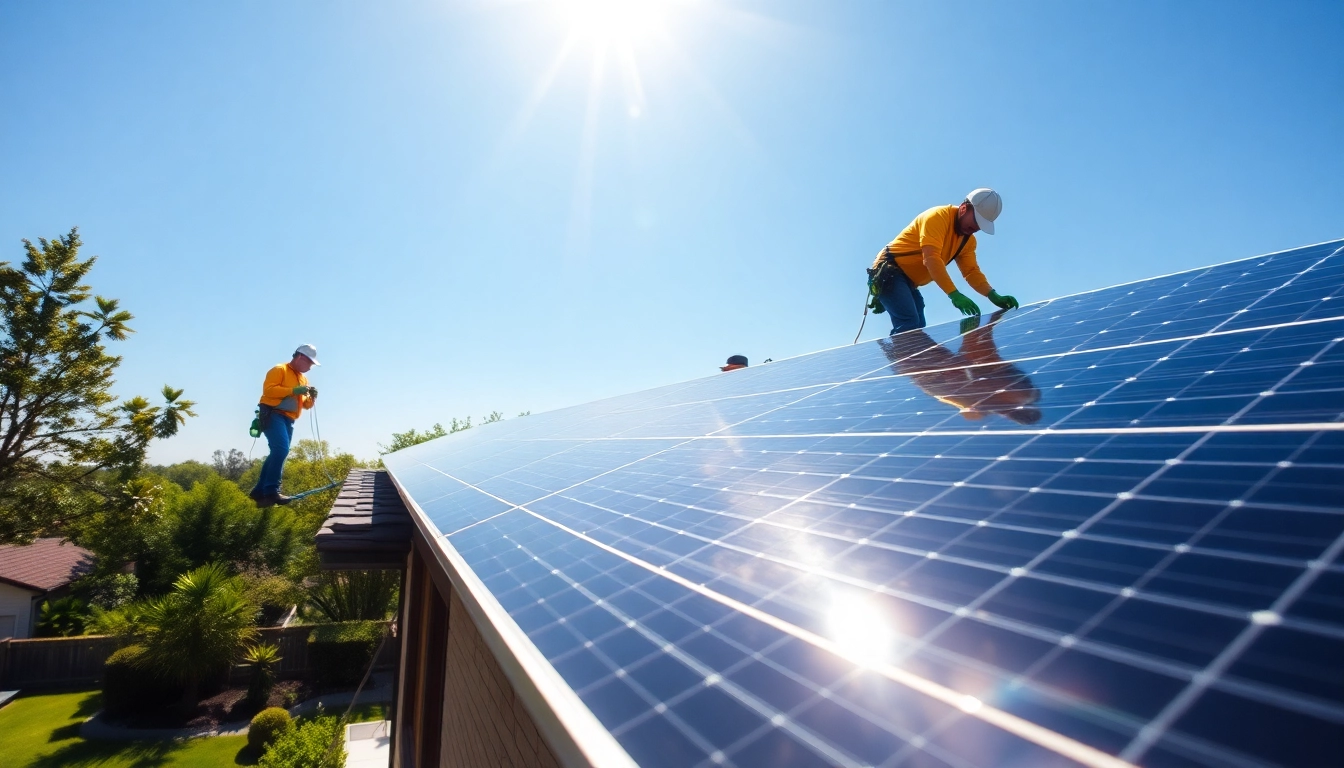
Solar panels can be installed on rooftops or in ground-mounted systems, catering to varying spatial needs and designs. Moreover, advancements in panel efficiency and battery storage technology are continuously enhancing their applicability and reliability.
Wind Energy Solutions
Wind energy utilizes the kinetic energy of wind to generate electricity through turbines. Wind farms can be set up onshore or offshore, with large wind farms capable of producing significant power supplies.
The installation of residential wind turbines has also become feasible for homeowners in areas with sufficient wind resources. However, proper location analysis is essential to ensure ROI and efficiency.
Hydropower Solutions
Hydropower generates electricity by harnessing the energy of flowing water, typically through dams. It is one of the oldest and most established forms of renewable energy.
While large-scale hydropower projects involve significant infrastructure, small-scale hydropower installations can be a viable option for individual property owners with access to flowing water sources.
Implementing Renewable Energy Solutions in Your Home
Steps to Choose the Right Renewable Energy Solution
Selecting a renewable energy solution involves several critical steps. First, assess your location and local resources. Different areas have varying potentials for solar, wind, or hydro energy. Next, consider your energy needs, budget constraints, and long-term goals. Finally, research and choose a reputable installer who can provide expertise in your selected technology.
Assessing Your Home’s Energy Needs
Understanding your household’s energy consumption is vital in determining the appropriate size and type of renewable energy solution. Analyze your past utility bills to gauge usage patterns and peak demand times. You may also perform an energy audit, which can help identify areas for improvement in energy efficiency.
Installation Process of Renewable Energy Solutions
The installation of renewable energy systems generally involves preliminary assessments, necessary permits, and the physical installation of technology. For solar panels, this would include mounting the panels and connecting them to the electrical grid; for wind turbines, siting and assembly require strategic planning. Always consult your installer for specific steps tailored to the technology chosen.
Financial Incentives for Renewable Energy Solutions
Government Rebates and Credits
Many governments worldwide offer financial incentives to encourage the adoption of renewable energy solutions. These may include tax credits, rebates, and grants aimed at offsetting the costs associated with installation. Research local and national programs to take advantage of available benefits.
Long-term Savings from Renewable Energy Solutions
While the initial cost of renewable energy systems can be a hurdle, the long-term savings often justify the investment. Most renewable systems can significantly reduce or even eliminate your energy bills. Over time, the savings can cover the installation costs, leading to increased home value and monetary savings.
Financing Options for Homeowners
Various financing options are available for homeowners wishing to invest in renewable energy solutions. These include solar loans, leases, and power purchase agreements (PPAs). Assess the different avenues to find one that fits your financial situation and encourages your transition to renewable energy.
Future Trends in Renewable Energy Solutions
Innovations in Renewable Technology
The renewable sector is one of the fastest-evolving fields, with ongoing innovations enhancing efficiency and affordability. Technologies such as advanced energy storage, smart grids, and enhanced photovoltaic cells are paving the way for higher adoption rates and optimized performance.
Growing Adoption Considering Environmental Impact
Public awareness of climate change and environmental issues is fostering a global shift toward renewable energy solutions. Educational programs, government policies, and community initiatives are growing, inspiring individuals and businesses to invest in clean energy alternatives.
Forecasting the Future of Renewable Energy Adoption
Government pledges to reduce carbon emissions underscore a strong future for renewable energy. Industry experts predict increased reliance on hybrid systems that combine various sources, achieving more efficient energy models that meet the demands of modern life.
FAQs about Renewable Energy Solutions
What are the most common renewable energy solutions for homes?
Common options include solar panels, wind turbines, and geothermal systems, each offering distinct benefits based on location and energy needs.
How much can I save by switching to renewable energy solutions?
Switching can lead to significant savings on energy bills, often covering installation costs within a few years through reduced expenses.
Are renewable energy solutions expensive to install?
Initial costs vary by system type and location but can often be offset with incentives and long-term energy savings.
How do I maintain renewable energy systems?
Maintenance is generally minimal; solar panels need occasional cleaning, while wind turbines may require more inspections depending on wear.
Can I install renewable energy solutions myself?
While DIY options exist, hiring professionals ensures safety and optimal performance, especially for complex systems like solar or wind energy.