Understanding Structural Steel Installation
Structural steel installation is a critical component of modern construction, providing the skeletal framework that supports various architectural designs and structural loads. It encompasses a series of precise processes that involve the assembly of steel components, ensuring structural integrity and safety. With the growing complexity of construction projects, a thorough understanding of structural steel installation is essential for all stakeholders involved, from architects to project managers and contractors.
What is Structural Steel Installation?
Structural steel installation refers to the placement and assembly of structural steel components that form the framework of buildings and other structures. These components include beams, columns, and plates that are manufactured to specific designs and standards. The process of installation involves various steps, including the transportation of steel to the site, erecting it in the planned locations, and securely fastening the components together.
Importance of Reliable Installation
The reliability of structural steel installation is paramount. A well-executed installation ensures the safety and longevity of the structure. Poor installation can lead to catastrophic failures, posing risks to human life and significant financial losses. Furthermore, a reliable installation contributes to the overall quality of construction, enhancing energy efficiency, reducing maintenance needs, and providing lasting durability for decades to come.
Overview of the Installation Process
The installation process for structural steel involves several key stages:
- Planning and Design: In this first stage, structural engineers design the steel framework based on the architectural blueprint and load requirements.
- Fabrication: After design approval, steel components are fabricated in a controlled environment, ensuring precision and adherence to safety standards.
- Transportation: Transporting the fabricated steel to the construction site must be carefully coordinated to prevent damage during transit.
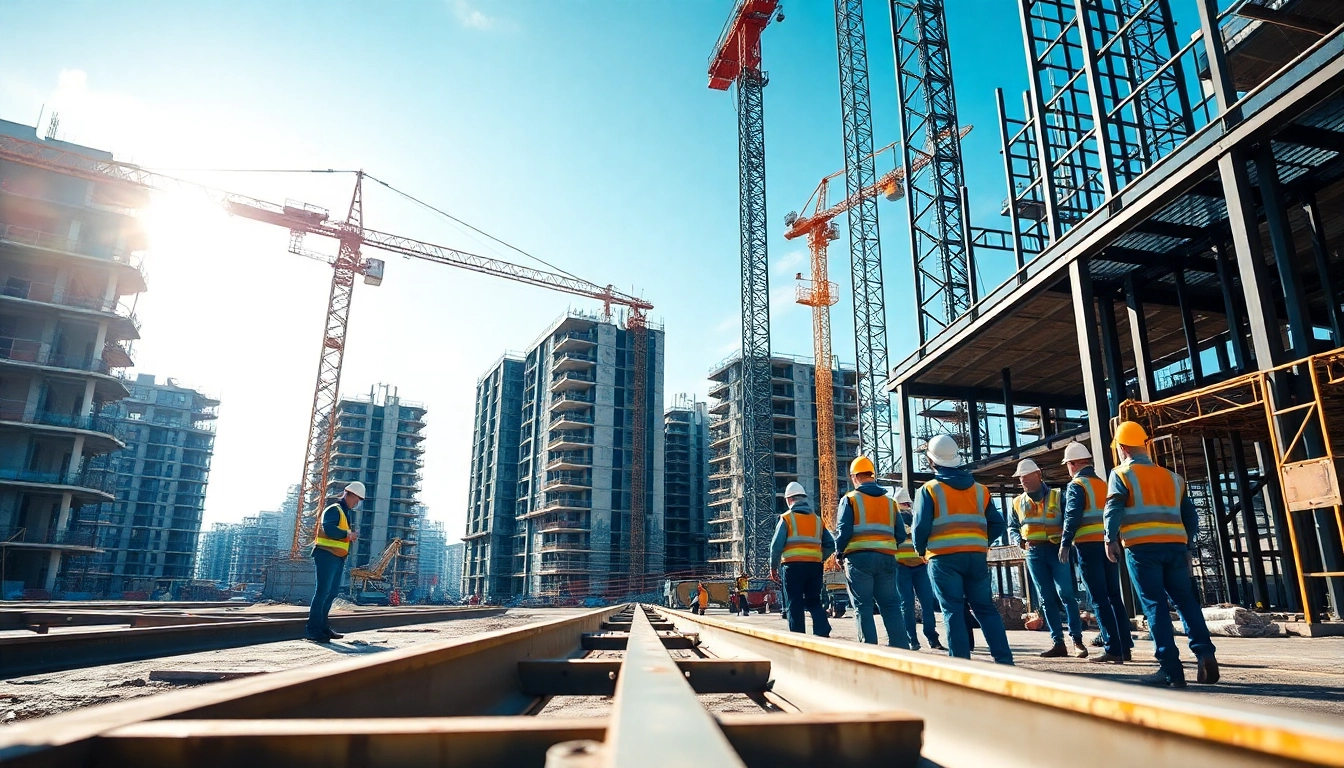
- Erection: Steel components are erected using cranes and lifting devices, positioned according to the design specifications.
- Connection: Once in place, the components are connected—this may involve bolting or welding to ensure stability and strength.
- Inspection: After installation, inspectors evaluate the work to ensure it meets all safety codes and standards.
Best Practices for Structural Steel Installation
Pre-Installation Checklist
Before commencing installation, teams should adhere to a comprehensive pre-installation checklist to ensure all aspects of safety and planning are covered. This checklist typically includes:
- Verification of project plans and specifications
- Confirmation that all necessary permits are obtained
- Assessment of site conditions, including ground stability
- Scheduling and coordination of labor and equipment
- Confirming material delivery and quality inspection
Effective Communication Among Teams
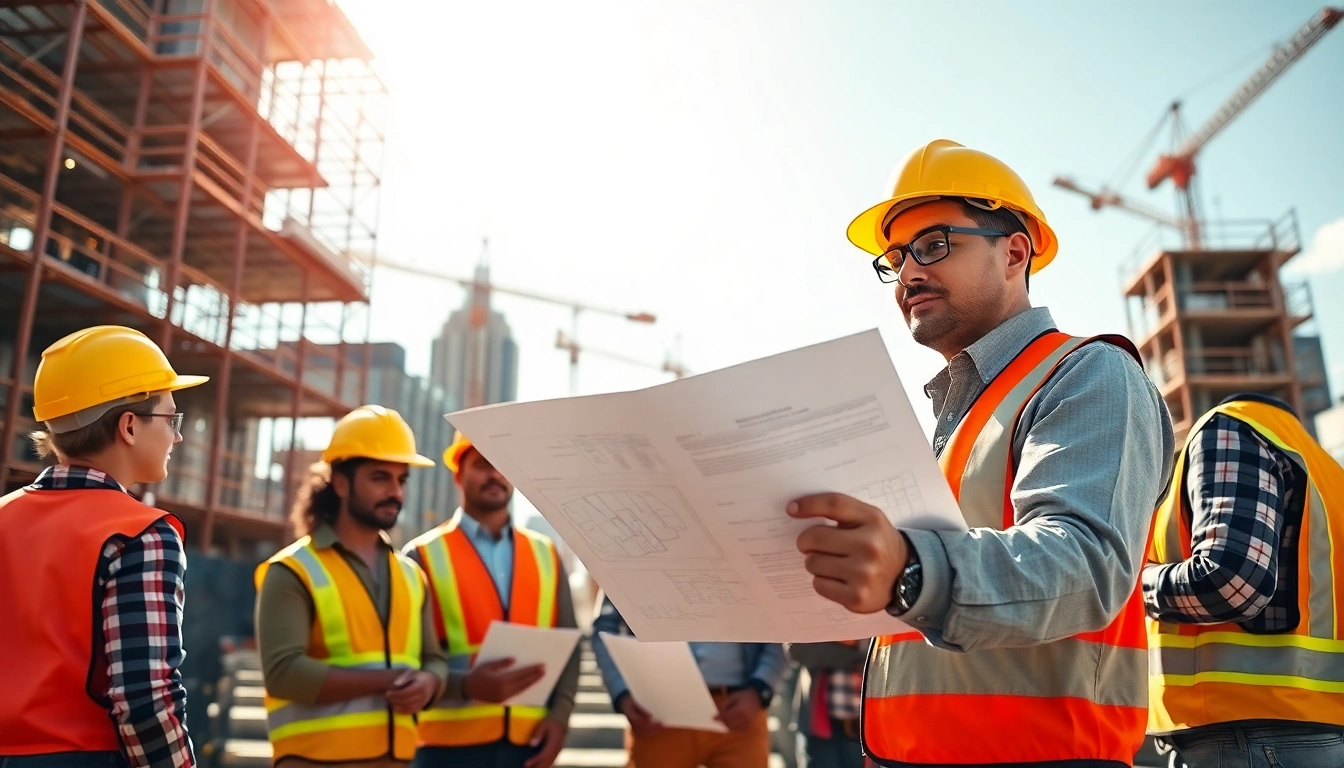
Effective communication is the backbone of any successful construction project, particularly in structural steel installation. Regular meetings should be scheduled to ensure all stakeholders are updated on progress, challenges, and changes in the plan. Utilizing communication tools such as shared platforms and construction management software can also enhance coordination among engineers, contractors, and safety managers.
Safety Measures to Implement
Safety should be at the forefront of all structural steel installation projects. Key measures to implement include:
- Ensuring all workers wear appropriate personal protective equipment (PPE), including helmets, steel-toed boots, and gloves.
- Conducting regular safety meetings to reinforce protocols and address potential hazards.
- Implementing fall protection systems, including guardrails and harnesses, especially when working at heights.
- Ensuring that cranes and lifting equipment are inspected and certified for safety before use.
- Training workers on emergency response procedures.
Essential Tools and Equipment
Crane and Lifting Devices
Crane operations are fundamental to the erection of structural steel. A variety of cranes may be utilized, including mobile cranes, tower cranes, and overhead cranes, depending on the site conditions and project scale. It is crucial to select the right type of crane based on its lifting capacity and reach to ensure efficiency and safety during installation.
Connection Tools: Bolts and Welding Gear
Connecting steel components requires specialized tools and equipment. The two most common connection methods are bolting and welding:
- Bolting: Used for many structural connections, bolts must meet specified strength and type requirements. Proper tools for tightening, such as torque wrenches, are essential to ensure secure and load-bearing connections.
- Welding: This involves joining metal pieces by melting them together. Welders must be trained and certified, and various types of welding processes, such as MIG and TIG, may be employed based on the materials and project requirements.
Protective Gear for Workers
Protective gear is vital for all workers on a structural steel installation site. The right equipment includes:
- Hard hats to protect against falling objects
- Safety glasses to shield eyes from sparks and debris
- High-visibility vests to ensure workers are seen
- Steel-toed boots to safeguard against heavy materials
- Gloves to protect hands during handling and assembly
Common Challenges in Steel Installation
Weather Conditions and Their Impact
Weather can greatly affect structural steel installation. Rain, snow, and high winds can not only slow down construction but may also pose safety hazards. It’s essential to monitor weather conditions and adjust the construction schedule accordingly. Protective measures, such as covering materials and securing work areas, should be implemented during inclement weather.
Material Handling Issues
Handling large and heavy steel components can lead to safety concerns and logistical challenges. Effective strategies to manage materials include using forklifts for movement, designated storage areas for easy access, and clear signage to guide workers. Implementing a just-in-time delivery system can also help minimize material congestion on-site.
Coordination of Different Teams
Coordination between different contractors, such as electricians, plumbers, and steel erectors, is crucial for ensuring a seamless workflow. Establish a hierarchy of communication to streamline decision-making processes and schedules. Utilizing Building Information Modeling (BIM) technology can also aid in visualizing project elements and addressing any clashes before they occur.
Evaluating Installation Success
Performance Metrics for Steel Projects
Evaluating the success of a structural steel installation project involves various performance metrics. Key indicators include:
- Adherence to project timelines and budgets
- Quality of work, including structural integrity and alignment
- Safety performance metrics, such as incident and injury rates
- Feedback from stakeholders and inspection results
Post-Installation Inspections
After installation, a comprehensive inspection is vital to ensure that all standards and specifications are met. This can involve:
- Structural assessments to verify that all connections are secure and aligned.
- Visual inspections for surface defects and corrosion.
- Non-destructive testing (NDT) methods such as ultrasonic testing or magnetic particle inspection to assess weld integrity and steel quality.
Continuous Improvement Strategies
To ensure long-term success in structural steel installation, teams should adopt continuous improvement strategies. This can encompass regular training and certifications for workers, soliciting feedback from all stakeholders about challenges faced during installation, and implementing lessons learned into future projects. Emphasizing a culture of safety and quality will lead to both improved performance and a strong reputation in the industry.