Overview of the Manaslu Trek
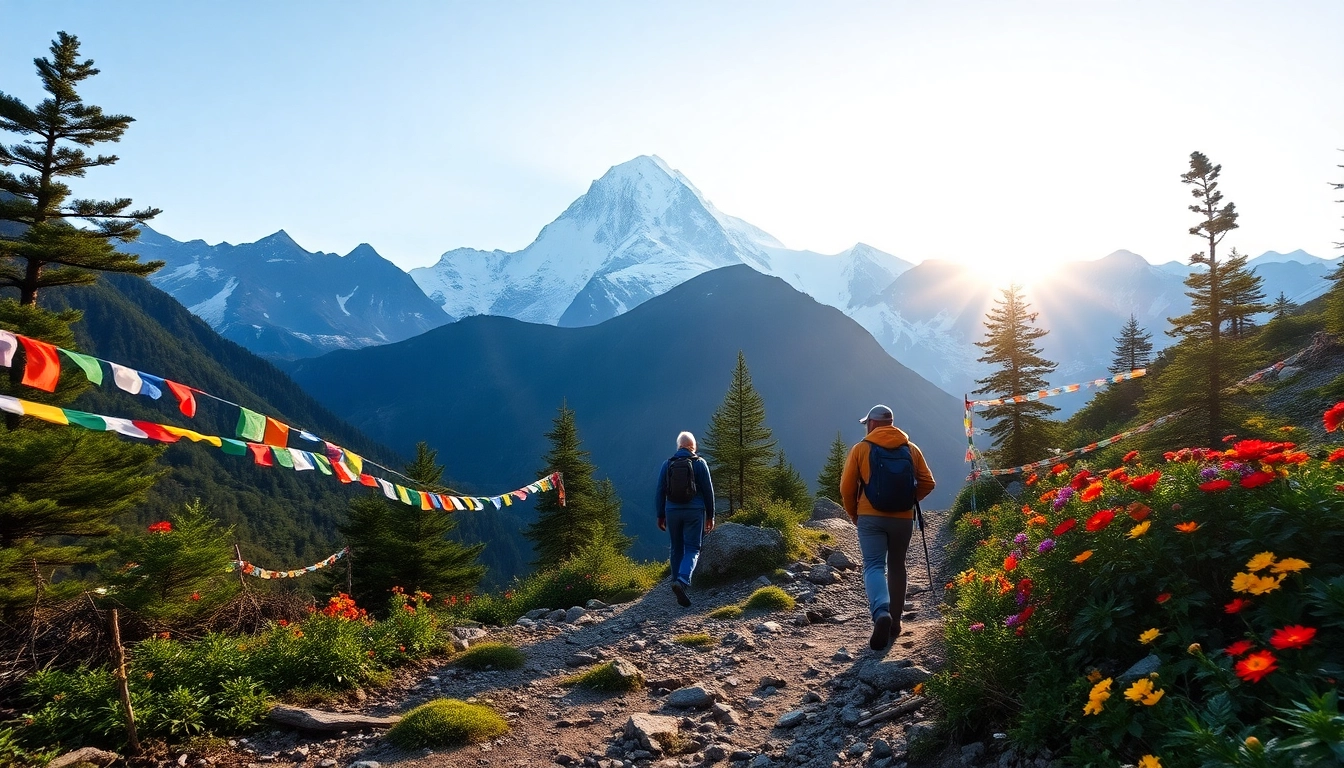
The Manaslu Trek is a captivating journey that takes adventurers through stunning landscapes and rich cultural experiences in the heart of the Himalayas. Known for its breathtaking views of the majestic Mount Manaslu, the eighth-highest mountain in the world, this trek offers a unique blend of natural beauty and cultural encounters. As you traverse the less-traveled paths of the Manaslu region, you will be immersed in the traditions of the local communities, experience vibrant Tibetan culture, and witness some of the most pristine scenery on earth. For those considering this remarkable adventure, the manaslu trek promises memories that will last a lifetime.
1. What is the Manaslu Trek?
The Manaslu Trek is a long-distance trekking route situated in the north of the Gorkha district of Nepal. Spanning approximately 177 kilometers, the trek encircles Mount Manaslu, providing hikers with stunning vistas, diverse ecosystems, and intimate interactions with local cultures. Unlike some of the more popular trekking routes, the Manaslu circuit remains relatively unspoiled, allowing trekkers to experience the authentic charm of the region without the crowds.
2. Historical Significance of Mount Manaslu
Mount Manaslu holds significant cultural and historical importance. The name "Manaslu" translates to "Mountain of the Spirit" in the local dialect, and it is revered by the indigenous communities. The mountain was first summited in 1956 by a Japanese expedition, marking it as a crucial point in the history of Himalayan mountaineering. Today, it continues to attract climbers and trekkers from all around the world, all eager to connect with its majestic spirit.
3. Trekking Route and Distances
The Manaslu Trek typically takes around 15 days to complete, with varied daily distances ranging from 10 to 20 kilometers. The trek begins in the village of Machha Khola and winds its way through lush valleys, rugged terrain, and charming villages, ultimately ending in Dharapani. The highlight of the trek is the Larkya La Pass, which at 5,160 meters is the highest point of the journey, offering spectacular panoramic views of surrounding peaks.
Planning Your Manaslu Trek
To ensure a successful trekking experience, thorough planning is essential. Understanding the best times to trek, preparing adequate gear, and selecting a reliable tour operator can significantly enhance your adventure. Here are some key considerations to keep in mind while planning your Manaslu Trek.
1. Ideal Seasons for the Manaslu Trek
The optimal times to embark on the Manaslu Trek are typically during the spring (March to May) and autumn (September to November) seasons. These periods are characterized by favorable weather conditions, clear skies, and stunning views of the surrounding Himalayan peaks. Spring also brings blooming rhododendrons, painting the landscape in vibrant colors, while autumn offers a crisp atmosphere and excellent visibility.
2. Essential Gear and Packing List
When preparing for the trek, a well-thought-out packing list is crucial. Essential items include:
- Sturdy trekking boots with ankle support
- Warm clothing layers (thermal base layers, fleece jackets, and waterproof outer layers)
- Sleeping bag rated for cold temperatures
- First aid kit with necessary medications
- Water purification system or tablets
- Sun protection gear (sunscreen, sunglasses, and hats)
- Personal hygiene items
It's advisable to pack light while ensuring you have all necessary gear, as porters will carry your main luggage.
3. Choosing the Right Tour Operator
Selecting a reputable trekking company is essential for a safe and enriching experience. Look for operators that prioritize sustainability and community engagement, offer experienced guides, and have a solid track record. Ensure they provide comprehensive pre-trip orientation and possess all necessary permits for restricted areas like Manaslu.
Manaslu Trek Itinerary Breakdown
The following section outlines a typical itinerary for the Manaslu Trek, designed to provide trekkers with a comprehensive day-by-day breakdown. Adjustments can be made based on individual preferences and acclimatization needs.
1. Day-by-Day Trek Description
Here is a condensed overview of the day-by-day itinerary for the Manaslu Trek:
- Day 1: Arrival in Kathmandu (1,400m) - Transfer to hotel.
- Day 2: Drive to Machha Khola (869m) - 8 to 10 hours of travel time.
- Day 3: Trek to Jagat (1,340m) - Duration: 6 to 7 hours.
- Day 4: Trek to Deng (1,860m) - Approximately 6 to 7 hours.
- Day 5: Trek to Namrung (2,630m) - 7 to 8 hours of trekking.
- Day 6: Trek to Lho (3,180m) - 3 to 4 hours.
- Day 7: Trek to Samagaon (3,520m) - 3 to 4 hours.
- Day 8: Acclimatization day at Samagaon, including hikes to Birendra Lake and Manaslu Base Camp.
- Day 9: Trek to Samdo (3,875m) - 3 to 4 hours.
- Day 10: Trek to Dharamshala (4,460m) - Approximately 4 to 5 hours.
- Day 11: Trek to Bimthang (3,590m) via Larkya La Pass (5,160m) - 8 to 9 hours.
- Day 12: Trek to Goa (2,515m) - 5 to 6 hours.
- Day 13: Trek to Dharapani (1,963m) - 3 to 4 hours.
- Day 14: Drive back to Kathmandu (760m) - 10 to 12 hours of travel time.
- Day 15: Departure from Kathmandu - Transfer to international airport.
2. Acclimatization Strategies
Acclimatization is critical when trekking at high altitudes to prevent altitude sickness. The itinerary includes planned rest days, particularly at Samagaon, where trekkers can hike to lower elevations before continuing their ascent. This gradual approach allows the body to adjust to the decreasing oxygen levels.
3. Cultural Experiences Along the Route
Trekkers embarking on the Manaslu Circuit gain valuable insights into the rich cultural tapestry of the region. Interactions with local villagers, visits to ancient monasteries, and participation in traditional ceremonies provide an enriching experience and deepen the connection with the landscape. This cultural immersion is one of the highlights of the trek.
Safety and Health Considerations
When trekking in high-altitude environments, safety and health considerations are paramount. Understanding the risks and being prepared can greatly enhance your trekking experience. Here are some key health and safety tips:
1. Understanding Acute Mountain Sickness (AMS)
AMS is a common concern for trekkers at high altitudes, particularly those above 2,500 meters. Symptoms include headaches, dizziness, nausea, and fatigue. To mitigate the risks, it is crucial to ascend gradually, stay hydrated, and recognize early signs of AMS.
2. Health Tips for High Altitude Trekking
Here are additional health tips to ensure your safety on the Manaslu Trek:
- Consult with a healthcare professional before undertaking the trek.
- Maintain a balanced diet rich in carbohydrates and stay hydrated.
- Incorporate acclimatization days into your itinerary.
- Monitor your physical condition and that of fellow trekkers regularly.
3. Emergency Procedures During the Trek
Understanding emergency procedures is vital. Trekking companies should provide emergency plans, including access to first aid kits, trained guides, and communication devices. In case of serious altitude sickness or injury, it may be necessary to descend to a lower altitude or arrange for helicopter evacuation.
Costs and Permits for the Manaslu Trek
Before setting out on the Manaslu Trek, understanding the associated costs and required permits is essential for proper budgeting.
1. Breakdown of Trek Costs
The total cost of the Manaslu Trek can vary widely depending on factors such as the trek duration, level of service, and additional activities. On average, you can expect to spend anywhere from $1,500 to $2,500, which typically includes the cost of permits, accommodations, meals, and guide services. It's recommended to factor in additional expenses for unexpected costs.
2. Required Permits for Trekking
Several permits are necessary to embark on the Manaslu Trek. These include:
- Manaslu Conservation Area Permit (MCAP)
- Manaslu Restricted Area Permit (MRAP)
- Trekkers Information Management System (TIMS) Permit
- Annapurna Conservation Area Permit (ACAP)
It is crucial to organize these permits ahead of time as they must be presented at checkpoints along the trek.
3. Tips for Budgeting for the Trek
When budgeting for the trek, consider all potential expenses, including food, drinks, tips for guides and porters, and any extra activities. Preparing a financial cushion for emergencies can also enhance your peace of mind while trekking.