Understanding the Basics of Structural Steel Installation
What is Structural Steel Installation?
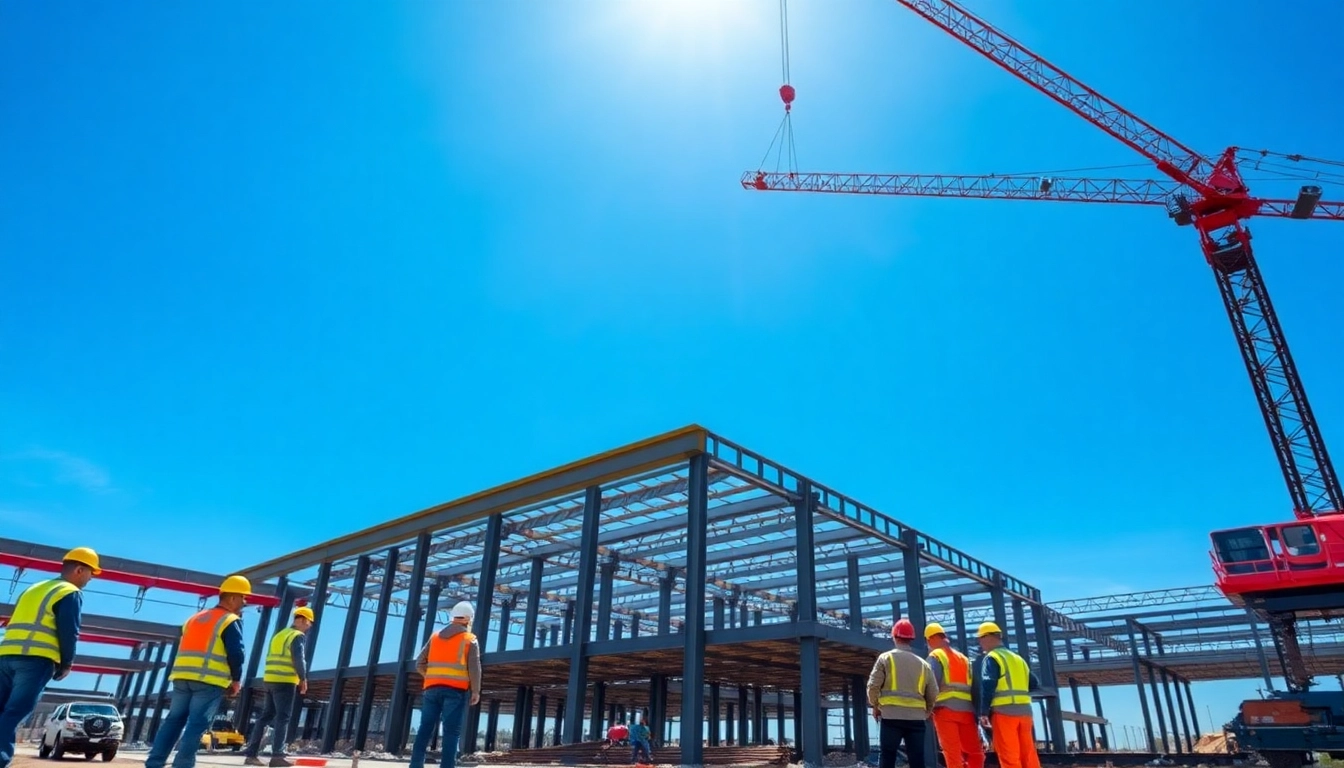
Structural steel installation is a critical phase in the construction of buildings and structures, involving the assembly of steel components to create a framework that supports the overall architecture. This process typically encompasses various activities such as hoisting, connecting, welding, and bolting structural steel pieces into an integrated form. Proper implementation ensures that buildings can withstand operational loads and environmental stresses.
Importance of Structural Steel in Construction
When it comes to modern construction, structural steel plays a vital role. Its strength-to-weight ratio allows for the creation of lighter structures without sacrificing durability. Steel's inherent properties make it resistant to various environmental factors, such as termites and rotting, which are significant concerns for wood-based constructions.
Furthermore, structural steel provides design versatility. Architects can craft more imaginative and expansive layouts, enabling large open spaces without requiring numerous supporting walls. The application of structural steel installation has become a preferred choice for buildings, bridges, and industrial facilities due to its reliability and endurance.
Key Components of Structural Steel Systems
The main components of a structural steel system include beams, columns, girders, and braces. Beams primarily transfer loads horizontally and support the structural framework. Columns bear the vertical loads and are essential for vertical stability. Girders act as primary supports for beams while braces help maintain structural integrity by providing lateral support, especially during lateral loads like wind and seismic activity.
Pre-Erection Procedures in Structural Steel Installation
Site Preparation and Planning
Before the actual installation begins, thorough site preparation and planning are essential. This includes determining the site layout, understanding the design specifications, and making necessary alterations for soil stability. Pre-erection meetings involving all stakeholders, from structural engineers to erection crews, are crucial for identifying risks and establishing clear communication pathways.
Site logistics must also be planned, ensuring space for crane access, storage areas for materials, and provisions for worker safety and transport. Proper organization at this stage can significantly streamline the subsequent erection process.
Safety Protocols for Workers
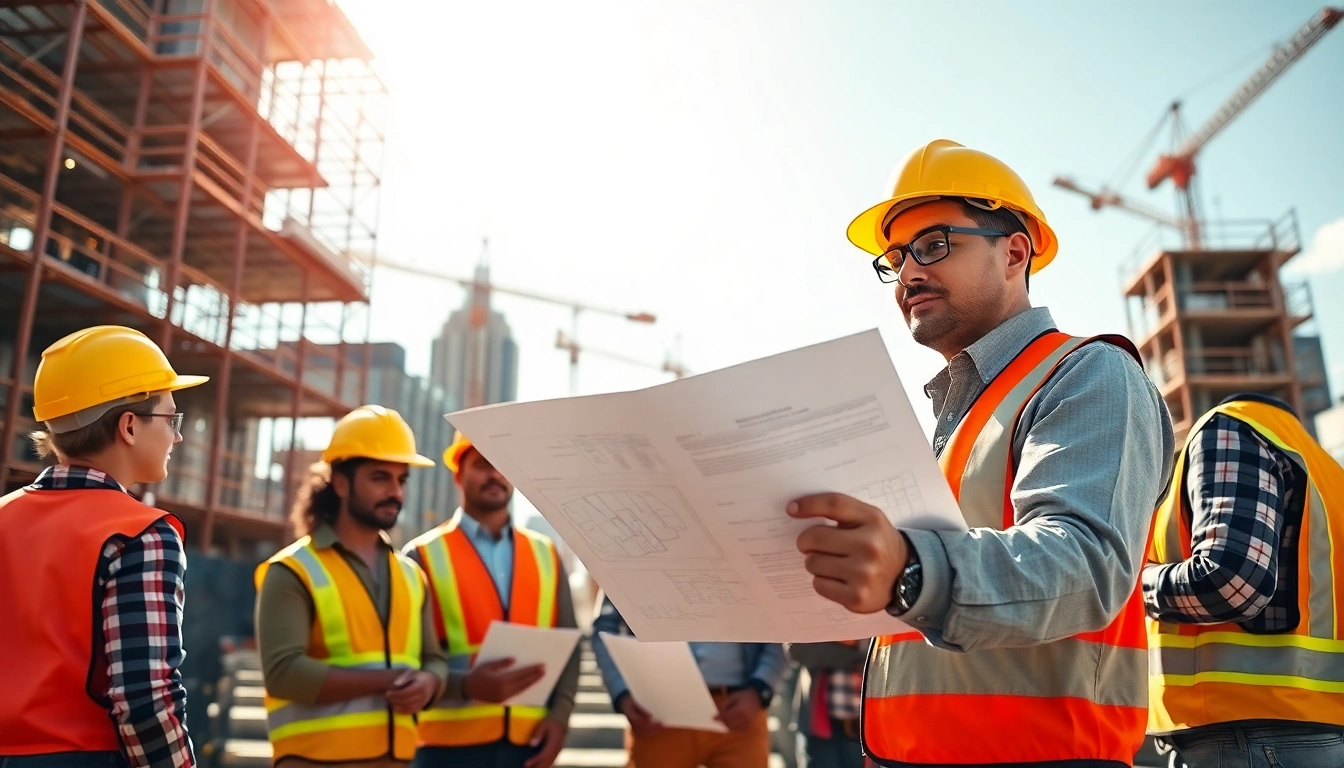
Ensuring worker safety during structural steel installation is paramount. All team members should be trained in safety protocols, including the use of personal protective equipment (PPE) such as hard hats, safety glasses, and harnesses. Regular safety audits and risk assessments must be conducted to identify potential hazards such as falling objects or slips and trips.
Moreover, implementing a comprehensive safety plan that covers emergency procedures will help minimize accidents on-site.
Equipment and Materials Needed
Installation requires a variety of specialized equipment and tools, including cranes, hoists, and welding devices. Understanding the proper equipment for the job helps actualize precision in the assembly process.
Additionally, all components must meet industry standards and specifications. This includes structural steel members that are fabricated accurately to the detailed design, ensuring a smooth installation phase.
Steps Involved in Structural Steel Installation
Column and Beam Assembly
The first major step in structural steel installation typically involves the erection of columns and beams. Columns are set in place and secured using temporary bracing to prevent movement during the process. The subsequent step involves the installation of girders and beams, which are hoisted and positioned per engineering specifications.
Alignment is critical at this stage. Adequate checking will ensure beams and columns are vertical and horizontal as designed, facilitating future connections.
Purlin and Brace Setup
Once the primary framework is established, purlins—horizontal rails supporting roof structures—are installed. Braces are strategically positioned to prevent lateral movements and maintain structural integrity under load conditions.
Proper sequencing is essential during this setup, as effective installation of braces contributes significantly to the overall strength and stability of the structure.
Calibration and Quality Checks
Quality assurance must be continuously monitored throughout the installation process. Calibration of installed components helps maintain alignment and tolerance levels as per design specifications. This can involve using sophisticated measuring tools and techniques to assess installations. Rigorous inspections should occur at critical stages to identify any issues early on, allowing for prompt corrective action.
Best Practices for Structural Steel Installation
Ensuring Safety and Compliance
Compliance with safety standards not only protects workers but also ensures adherence to governing regulations that impact insurance and liability. Regular training sessions and simulated drills can boost the competency of the workforce, reinforcing safety cultures within installation teams.
Optimizing Installation Techniques
Utilizing modern technologies and methodologies such as BIM (Building Information Modeling) facilitates streamlined coordination during installation. Advanced planning and visualization tools enable teams to foresee challenges, while pre-fabrication of components can reduce on-site assembly time significantly.
Common Challenges and Solutions
Challenges in structural steel installation often stem from environmental factors, logistical issues, or unforeseen site conditions. Weather delays, material shortages, and equipment failures can all impact project timelines. Implementing robust project management practices and contingency plans can mitigate these risks. Utilizing real-time monitoring systems can enhance precision in scheduling, enabling teams to adapt effectively to the dynamic construction landscape.
Future Trends in Structural Steel Installation
Innovations in Steel Manufacturing
The future of structural steel installation is shaped by ongoing innovations in manufacturing techniques, such as the use of advanced alloys and coatings that enhance durability and sustainability. These innovations are paving the way for more efficient designs and stronger materials that can withstand various environmental challenges.
Sustainable Practices in Steel Building
As sustainability becomes paramount in construction, the industry is shifting towards using recycled steel and developing eco-friendly coatings. Sustainable practices not only reduce a project's carbon footprint but also enhance its appeal in an increasingly environmentally conscious market.
Technological Advancements in Installation Processes
Technological advancements like robotics and automation are poised to revolutionize steel installation processes. These technologies can reduce human error and enhance precision, which is critical in the installation phase. Drones and augmented reality tools may also support site assessments and improve safety monitoring, further streamlining operations.
Frequently Asked Questions
How is structural steel installed?
The installation involves assembling steel components on-site and connecting them through bolting or welding to form a framework capable of supporting structural loads.
What equipment is used for structural steel erection?
Common equipment includes cranes, lifting devices, welding machines, and scaffolding, which are essential for safely handling and positioning heavy steel beams and columns.
What are the safety measures during installation?
Safety measures involve using personal protective equipment, conducting regular safety audits, and training employees on emergency protocols to mitigate risks on-site.
Why is calibration important in steel installation?
Calibration ensures that installed components are aligned correctly to design specifications, which is critical for the overall structural integrity and performance of the building.
What trends are shaping future steel installation?
Future trends include advancements in manufacturing technologies, increased use of sustainable materials, and the adoption of automation and robotics to improve efficiency and precision.