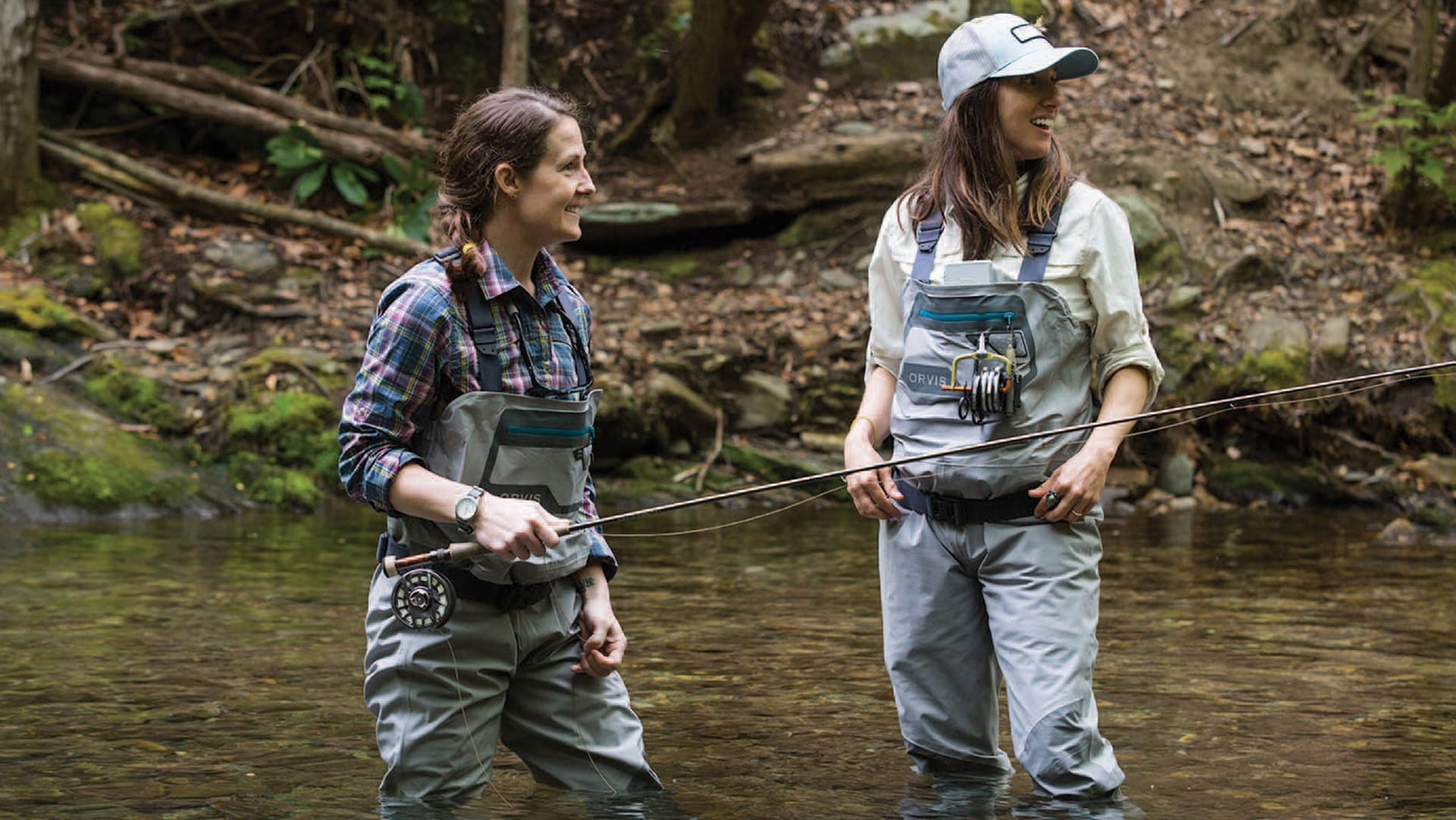
Fly fishing in clear water presents unique challenges that require precision, skill, and the right equipment. One of the most critical components of your fly fishing setup is the Fly Fishing Tippet. Using the right tippet can mean the difference between a successful day on the water and a frustrating outing. In this guide, we’ll explore essential tips for selecting, using, and maintaining your tippet to maximize your chances of landing trophy fish in crystal-clear streams and rivers.
Understanding Fly Fishing Tippet
The tippet is the final section of your leader that attaches directly to the fly. It plays a crucial role in presenting your fly naturally to wary fish. The diameter, material, and length of your tippet all affect how your fly behaves in the water. Clear water makes fish more cautious, so selecting a tippet that is nearly invisible and allows for a delicate presentation is key.
Choosing the Right Tippet Material
There are several materials used in fly fishing tippets, including monofilament, fluorocarbon, and sometimes braided nylon. Monofilament is versatile and easy to handle, making it ideal for beginners. Fluorocarbon is more abrasion-resistant and nearly invisible underwater, which is perfect for clear water conditions. Some anglers even prefer using a combination, attaching a fluorocarbon tippet to a monofilament leader to get the best of both worlds.
Determining the Proper Tippet Size
Selecting the correct tippet diameter is essential in clear water fishing. Too thick, and your fly may spook fish; too thin, and you risk breaking off on a strong run. A general rule is to use the lightest tippet that can still handle the fish you are targeting. For trout in clear streams, this usually ranges from 4X to 6X. Adjust your tippet size based on water clarity, fish size, and the type of fly you are using.
Tippet Length and Its Importance
The length of your tippet affects how natural your fly presentation appears. Longer tippets allow the fly to drift more naturally, while shorter tippets provide better control and casting accuracy. In clear water, a tippet length of 18 to 36 inches is common. Experimenting with different lengths will help you find the ideal balance between stealth and control.
Knots for Attaching Your Tippet
A strong and reliable knot is essential when connecting your tippet to your leader and fly. The improved clinch knot is a popular choice for its strength and simplicity. The surgeon’s knot or blood knot is also effective, especially when joining two lines of similar or differing diameters. Practicing these knots until they become second nature will improve your efficiency and reduce the risk of losing fish.
Tippet Maintenance and Replacement
Over time, tippet material weakens due to UV exposure, abrasions, and general wear. Inspect your tippet regularly for frays, nicks, or stiffness, and replace it when necessary. Carry a spare spool in your vest or tackle box so you can make quick replacements during a fishing trip. Proper maintenance ensures that your tippet remains strong, subtle, and effective in presenting your fly.
Matching Tippet to Fly Selection
Matching your Fly Fishing Tippet to the size and weight of your fly is crucial. Lighter, smaller flies often require thinner tippets to maintain a natural drift. Heavier flies, like streamers or nymphs, may need a slightly thicker tippet to prevent break-offs. Experimenting with different combinations can help you determine the best match for the fish and conditions you are targeting.
Stealth Techniques in Clear Water
Clear water makes fish more observant, so using a delicate presentation is essential. A fine tippet combined with careful casting reduces splash and line visibility. Avoid sudden movements and cast upstream to allow your fly to drift naturally with the current. Using these stealth techniques with the right tippet increases your chances of enticing even the wariest fish.
Leader and Tippet Integration
Your leader and tippet must work together to provide the right balance of strength and invisibility. A tapered leader gradually reduces the line diameter, allowing the fly to land softly on the water. Attaching the proper tippet ensures that the fly drifts naturally while maintaining enough strength to handle fish. Always adjust your tippet choice based on the leader and fly setup.
Common Mistakes to Avoid
Many anglers make errors with tippet selection that reduce their success in clear water. Using a tippet that is too thick, too short, or damaged can alert fish and result in missed opportunities. Failing to match the tippet to the fly or water conditions is another common mistake. Regularly reviewing and adjusting your setup helps you avoid these pitfalls and increases your effectiveness on the water.
Tips for Long-Lasting Tippet Use
To extend the life of your tippet, rinse it with fresh water after each outing, avoid dragging it over rocks, and store it away from direct sunlight. Keeping your tippet clean and free from damage not only improves its invisibility in water but also ensures strong, reliable performance when a fish strikes.
Conclusion
Mastering the use of Fly Fishing Tippet is vital for success in clear water conditions. From selecting the right material and diameter to proper knot tying, length, and maintenance, every aspect of tippet management affects your fly presentation and catch rate. By paying attention to these details, practicing stealth techniques, and regularly updating your tippet, you can dramatically improve your chances of landing more fish while enjoying the serene beauty of clear water fly fishing. With the right tippet knowledge, patience, and practice, clear water fishing can become one of the most rewarding experiences in your fly fishing adventures.