Understanding PPF and Its Benefits
What is PPF?
Paint Protection Film (PPF) is a transparent polyurethane layer that is applied to the painted surfaces of vehicles. This innovative film acts as a shield against environmental hazards, including dirt, debris, and harsh weather conditions. Unlike wax or traditional car care products, PPF offers a durable, long-lasting solution that not only enhances the aesthetic appeal of your vehicle but also preserves its value by preventing paint damage. As winter approaches, understanding the importance of PPF becomes crucial, especially regarding PPF winter road salt protection, which is essential in combating the corrosive effects of road salt and other winter elements.
Advantages of PPF in Winter
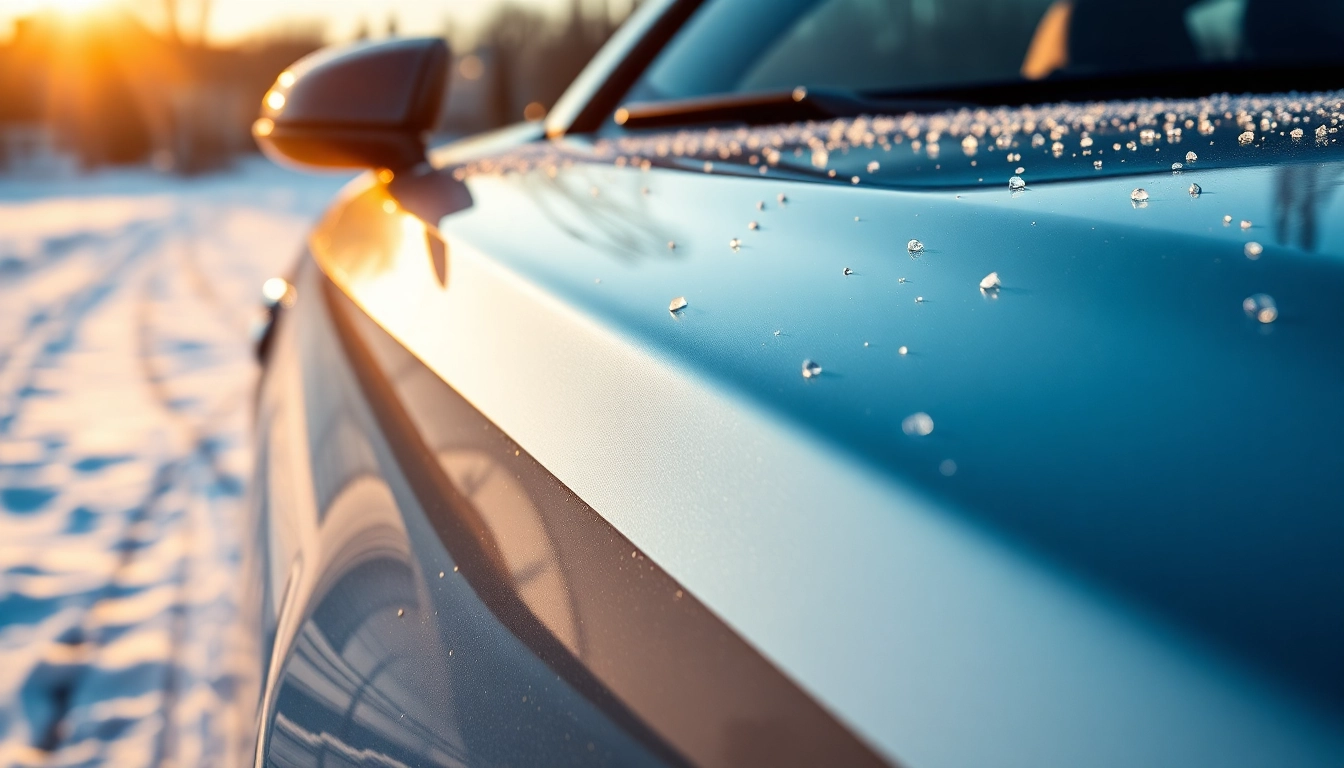
A significant advantage of PPF during winter months is its ability to protect against the negative impacts of road salt. Road salt, commonly used to de-ice roads, can cause severe paint damage and corrosion when it splashes onto vehicles. With PPF in place, your car's surface is safeguarded, preventing pitting and scratches that can arise from abrasive salt particles. Additionally, PPF is designed to self-heal minor scratches and swirl marks, maintaining a smooth finish throughout the winter season. The film is also resistant to UV rays, ensuring that your vehicle's paint remains bright and intact, despite prolonged exposure to sunlight amidst winter conditions.
PPF's Role in Protecting Against Road Salt
The application of PPF serves as a barrier between your vehicle's exterior and harmful contaminants present on roads during winter. Specifically, road salt can accelerate the oxidation process of metal surfaces, leading to rust formation. PPF can significantly reduce the risk of this by absorbing and deflecting the harmful agents, preventing them from directly contacting the car's paint. Furthermore, the clear nature of PPF allows the original paint color to shine through, offering you protection without altering the appearance of your vehicle.
Comparing PPF Options
Types of PPF Available
When it comes to types of Paint Protection Film, a few key options stand out:
- Self-Healing PPF: This advanced option utilizes a unique material that can heal minor abrasions and imperfections over time, maintaining a flawless surface.
- Matte PPF: Ideal for vehicles with matte paint finishes, this film provides protection while preserving the non-reflective look.
- Standard PPF: Generally more affordable, this option offers basic protection against scratches and road debris, making it suitable for everyday vehicles.
Choosing the Right Thickness
PPF generally comes in various thicknesses ranging from 6mil to 10mil. Thicker films provide superior protection; however, they can be more challenging to install and might not conform as easily to complex vehicle surfaces. For winter protection, considering a 7mil or 8mil thickness is advisable, striking a balance between flexibility and durability. A professional installer can guide you based on your specific needs and vehicle type.
Price Points and Cost-Effectiveness
The cost of PPF varies depending on the type, thickness, and area of application. On average, a full vehicle wrap can range from $2,000 to $7,000. While it might seem like a hefty investment upfront, the long-term benefits outweigh the costs. By protecting your vehicle’s paint, PPF helps maintain resale value and reduces the necessity for costly repairs associated with paint damage. Additionally, the long lifespan of quality PPF can justify the initial expense as it protects against continual wear and tear.
Application Process
DIY vs. Professional Application
One of the essential considerations when opting for PPF is deciding between a DIY installation versus hiring a professional. DIY enthusiasts might be drawn to savings, but PPF installation requires precision and expertise to avoid wrinkles, bubbles, or misalignment. Additionally, improper application can compromise the protective qualities of the film. On the other hand, professional installers possess the necessary skills, tools, and experience to ensure a flawless application, making it a worthy investment.
Step-by-Step Application Guide
If you're considering a DIY approach, here’s a simplified guide for applying PPF:
- Gather Materials: Purchase quality PPF, application fluid, and necessary tools such as a squeegee, utility knife, and cleaning supplies.
- Clean the Surface: Thoroughly wash and dry your vehicle to remove any dirt and debris.
- Cut the Film: Measure and cut the PPF to fit the desired areas of your vehicle.
- Wet Application: Use an application solution or soap spray to moisten the surface for easier application.
- Position the Film: Carefully lay the film onto the designated area, ensuring correct alignment.
- Squeegee Out Bubbles: Start from the center and work outward to eliminate air bubbles and excess fluid.
- Trim and Cure: Once applied, trim any excess film and allow it to cure undisturbed for the recommended time.
Essential Tools and Materials
To successfully apply PPF, you’ll need the following tools:
- A high-quality installer’s knife or utility knife for trimming.
- A squeegee for bubble removal.
- PPF solution or soapy water for applying the film smoothly.
- A microfiber cloth for cleaning surfaces.
- Measuring tape to ensure accurate cut sizes.
Maintenance Tips for PPF
Cleaning Techniques for Longevity
Maintaining your PPF is crucial for extention of its lifespan. Here are some recommended cleaning techniques:
- Hand Wash Only: Always hand wash your vehicle using a pH-neutral soap; avoid automatic car washes with brushes that may damage the film.
- Dry with Microfiber: Use a microfiber towel to dry the surface gently, preventing water spots.
- Use Safe Cleaning Products: Avoid harsh chemicals that can degrade the PPF; opt for gentle cleaners specifically designed for PPF.
Common Mistakes to Avoid
When caring for PPF, avoid these common pitfalls:
- Excessive Scrubbing: Over-scrubbing the film can lead to scratches; always use a gentle touch.
- Ignoring Repairs: Small damages should be addressed immediately to prevent further deterioration.
- Using Unsuitable Products: Do not use waxes or sealants meant for painted surfaces on PPF, as they can damage the film.
Inspecting and Repairing PPF
Regular inspections will ensure your PPF remains in excellent condition. Look for any discoloration, peeling, or damage. Most minor abrasions can self-heal; however, if you notice significant issues, it may be necessary to remove and replace specific film sections. Engaging a professional for repair work can ensure that your PPF continues to protect your vehicle effectively.
FAQs about PPF Winter Road Salt Protection
How long does PPF last in winter conditions?
PPF can last several years if properly maintained, even in harsh winter environments.
Is PPF worth the investment?
Yes, PPF significantly reduces the risk of paint damage from road salt and other winter elements.
Can I apply PPF myself?
While DIY application is possible, professional installation ensures better results and longevity.
How do I maintain my PPF during winter?
Regular washing and avoiding harsh cleaners help maintain PPF’s effectiveness and appearance.
What if my PPF gets damaged?
Most PPFs can be repaired rather than replaced, depending on the extent of the damage.