Understanding Steel Fabrication Shop Basics
What is a steel fabrication shop?
A steel fabrication shop is a specialized facility that focuses on the creation of metal structures through the process of cutting, bending, and assembling steel. The primary goal of these shops is to provide tailored solutions that meet the diverse needs of various industries, including construction, automotive, and manufacturing. In essence, steel fabrication shops convert raw steel into finished products that can be employed in buildings, bridges, machinery, and more.
Key processes involved in steel fabrication
The processes that take place in a steel fabrication shop can be categorized into several main stages, which include:
- Design: The initial stage where blueprints and specifications are created, often using CAD software to visualize the end product.
- Material Selection: Choosing appropriate steel grades and types depending on project requirements, with attention to factors like strength, ductility, and corrosion resistance.
- Cutting: Utilizing various methods such as sawing, shearing, or CNC plasma cutting to shape raw steel to the desired dimensions.
- Bending: Applying force to steel to create curves or angles, which can involve manual or machine-assisted processes like hydraulic bending.
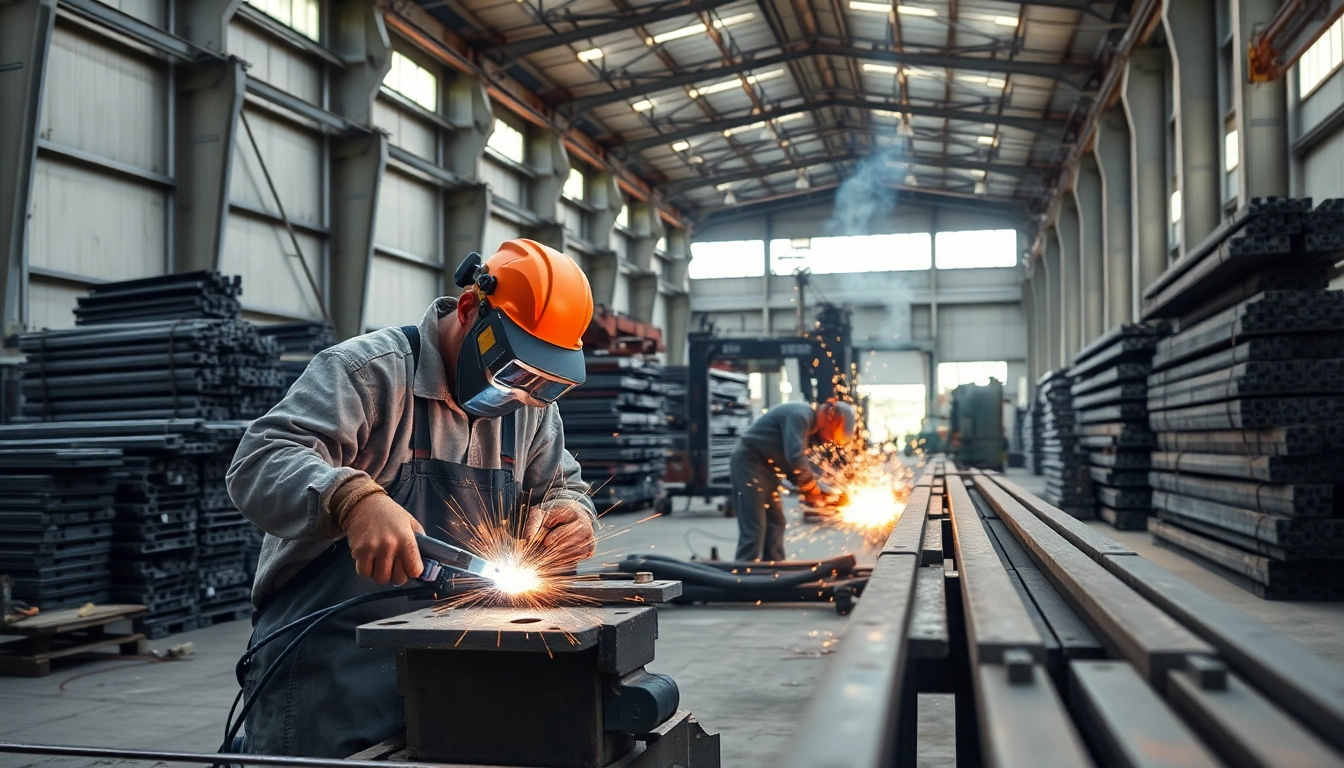
- Welding: Joining pieces together using heat, enabling the creation of robust structures that can bear significant loads.
- Finishing: Adding protective coatings, paint, or other surface treatments to enhance appearance and prevent corrosion.
Types of materials used in fabrication
Steel fabrication shops utilize a variety of materials, primarily different grades of steel, to fulfill the requirements of diverse projects. Common types of steel include:
- Mild Steel: Known for its workability and weldability, mild steel is the most commonly used material in fabrications.
- Stainless Steel: Renowned for its corrosion resistance, stainless steel is ideal for environments exposed to moisture or corrosive elements.
- Carbon Steel: This is a versatile and cost-effective choice, distinguished by its strength and durability.
- Structural Steel: Used in construction, this category includes beams, columns, and angles required to support structures.
- Tool Steel: Known for its hardness and resistance to wear, it’s used for making tools and dies.
Essential Equipment for a Steel Fabrication Shop
Welding tools and technologies
Welding is one of the cornerstone processes in steel fabrication, with several tools and technologies being employed. Some critical welding types include:
- MIG Welding: Metal Inert Gas welding is popular due to its speed and versatility.
- TIG Welding: Tungsten Inert Gas welding offers high-quality welds, perfect for thin materials and intricate designs.
- Stick Welding: Shielded Metal Arc Welding is robust and effective for outdoor applications.
- Submerged Arc Welding: Provides deep penetration and is ideal for large-scale projects.
Additionally, modern shops are increasingly incorporating robotic welding systems for improved precision and efficiency.
Cutting machines: Plasma and laser options
Cutting is another crucial aspect of steel fabrication. Two cutting technologies have gained prominence:
- Plasma Cutting: Utilizes a plasma torch to cut through metal quickly and efficiently. It’s particularly effective for thicker materials.
- Laser Cutting: Offers unparalleled precision and is suitable for intricate designs, especially with thinner materials, providing clean edges with little to no finishing required.
Safety equipment and best practices
Given the inherent risks associated with steel fabrication, safety must be prioritized. Essential safety equipment includes:
- Welding Helmets: Protects the face and eyes from UV radiation and sparks.
- Safety Glasses: Essential for all operations to protect against debris and harmful fumes.
- Gloves: Heavy-duty gloves help prevent cuts and burns.
- Respirators: Necessary when working with toxic fumes or particulates.
- Steel-toed Boots: Offers protection against heavy materials.
In addition, implementing best practices such as regular training on equipment safety and maintaining a clean workspace can significantly reduce accidents.
Streamlining Operations in Your Steel Fabrication Shop
Implementing efficient workflows
Streamlining operations is critical for maximizing productivity and reducing costs. Some effective strategies include:
- Standardizing Processes: Create standard operating procedures for all tasks to ensure consistency.
- Workflow Mapping: Visualize the production processes to identify bottlenecks and optimize task sequences.
- Lean Manufacturing: Emphasize waste reduction and continuous improvement throughout all operations.
By adopting these strategies, fabrication shops can enhance their operational efficiency and output quality.
Utilizing software for project management
Integrating project management software can significantly enhance the effectiveness of a steel fabrication shop. These tools facilitate:
- Resource Allocation: Manage workforce and material allocation effectively to maximize productivity.
- Timeline Tracking: Monitor project timelines to ensure deadlines are met while controlling costs.
- Collaboration: Foster communication among team members, ensuring everyone is on the same page regarding project details.
- Reporting: Utilize data analytics to improve decision-making and strategic planning.
Optimizing inventory control
Inventory management is vital for efficient operations in a steel fabrication shop. Effective strategies include:
- Just-in-Time (JIT) Inventory: Keep minimal stock to reduce holding costs while ensuring materials are available when needed.
- Inventory Audits: Conduct regular audits to maintain accurate records and reduce shrinkage.
- Inventory Management Software: Implement systems that track inventory in real-time, improving ordering processes and reducing waste.
Quality Control in Steel Fabrication
Importance of quality assurance
Quality assurance is critical in steel fabrication, ensuring that products meet stringent industry standards and customer expectations. Implementing a comprehensive quality control system helps in early detection of defects, leading to reduced rework and waste.
Regular inspections and tests
Conducting thorough inspections and tests at every stage of the fabrication process is essential. Important practices include:
- Visual Inspections: Identify surface defects early in the process.
- Dimensional Checks: Ensure all components meet specified measurements.
- Weld Testing: Conduct tensile tests or non-destructive tests to assess the integrity of welds.
Adhering to industry standards
Compliance with industry standards such as ISO and ANSI is crucial for maintaining credibility and securing contracts. Regularly reviewing and updating processes to align with these standards can set your shop apart as a trusted provider in the market.
Future Trends in Steel Fabrication Shops
Integration of automation technology
The adoption of automation technologies in steel fabrication is changing the landscape of the industry. Robotics and AI are increasingly being utilized for repetitive tasks, enhancing precision while reducing labor costs. Investments in automated equipment can significantly improve production rates and quality control processes.
Sustainability practices in fabrication
Sustainability is becoming a priority in the steel industry. Employing practices such as recycling scrap steel, reducing waste, and minimizing energy consumption not only helps the environment but also improves a shop's bottom line. Sustainable operations can enhance brand reputation, making it an attractive selling point.
Adapting to market demands
Steel fabrication shops must remain agile to adapt to market fluctuations and changing customer requirements. Flexibility in production capabilities and an understanding of emerging trends such as lightweight materials or smart structures are crucial for future-proofing businesses.
FAQs about Steel Fabrication Shops
What services do steel fabrication shops typically offer?
Steel fabrication shops offer services such as cutting, bending, welding, machining, and surface finishing to create custom metal products for various industries.
How long does a steel fabrication project typically take?
The duration of a steel fabrication project varies based on complexity, from a few days for straightforward tasks to several weeks for large, detailed structures.
What safety regulations should be followed in a steel fabrication shop?
Safety regulations involve providing personal protective equipment (PPE), ensuring machine safety, and adhering to OSHA guidelines to avoid workplace hazards.
Can steel fabrication shops work with custom designs?
Yes, many steel fabrication shops specialize in custom designs tailored to specific client specifications, allowing for unique solutions.
Is there a difference between metal fabrication and steel fabrication?
Yes, while metal fabrication encompasses working with various metals, steel fabrication specifically refers to processes involving steel and its alloys.