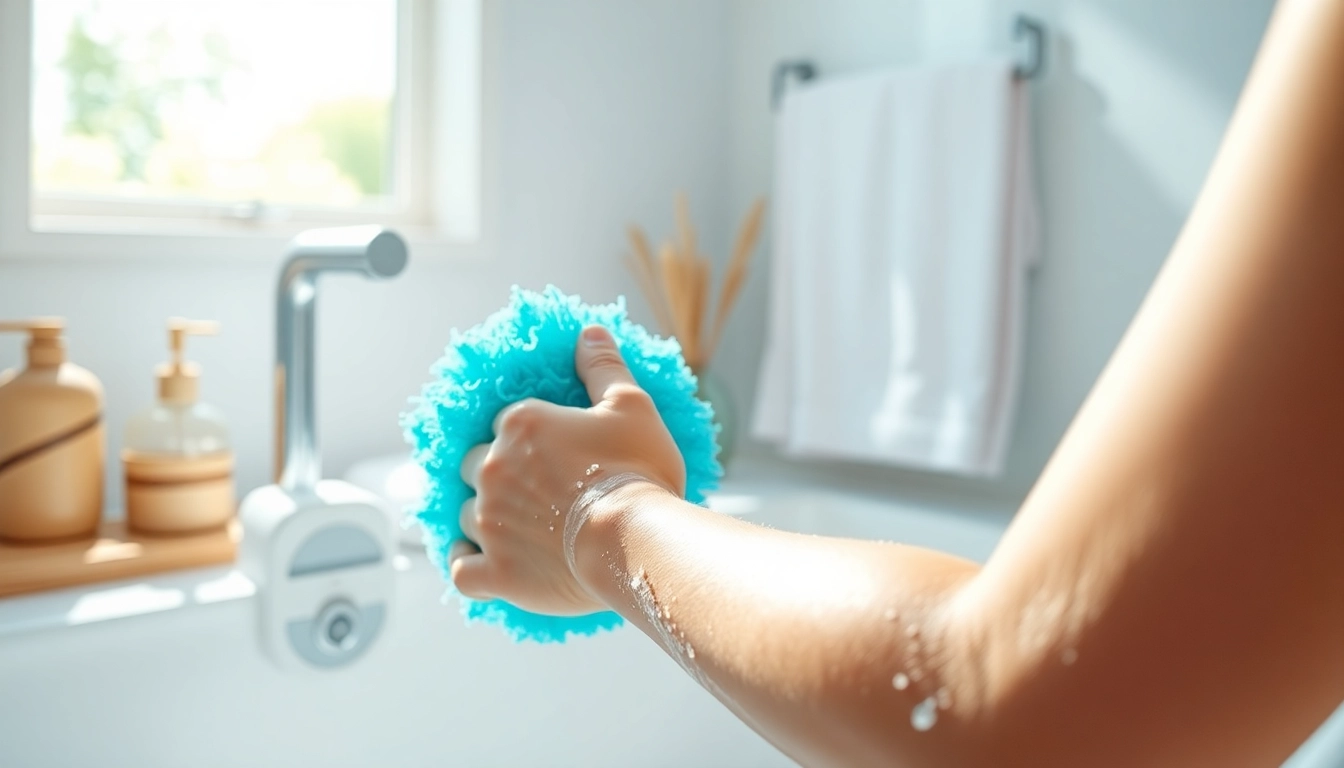
Introduction to Silicone Loofah
Silicone loofahs have emerged as a popular alternative to traditional bath sponges, gaining significant traction in the skincare community. These innovative tools offer a unique blend of functionality and hygiene, making them a compelling choice for anyone aiming for pampered skin. Understanding how to use silicone loofah effectively can elevate your bathing routine, ensuring your skin feels refreshed and rejuvenated. If you're curious about how to use silicone loofah, let's delve into the details.
What is a Silicone Loofah?
A silicone loofah is a bathing tool made from silicone, a durable and flexible material that provides an alternative to natural loofahs and synthetic sponges. Unlike traditional loofahs which are derived from natural plant fibers, a silicone loofah is crafted to be soft yet effective in cleansing and exfoliating the skin. They come in various shapes and textures, catering to different skincare needs.
Benefits of Silicone Loofah
Silicone loofahs offer numerous advantages:
- Hygiene: Silicone is non-porous, which means it resists the growth of bacteria and mold, making it a more hygienic option than traditional loofahs.
- Durability: Unlike natural sponges which wear out quickly, silicone loofahs are designed to last, often withstanding months of daily use.
- Easy to Clean: These loofahs can be easily washed with soap and water or placed in the dishwasher for a thorough clean.
- Gentle Exfoliation: The soft texture of a silicone loofah provides an effective yet gentle exfoliation, helping to remove dead skin without irritation.
- Skin-friendly: Silicone is generally safe for sensitive skin, minimizing the risk of allergic reactions.
Choosing the Right Silicone Loofah
When selecting a silicone loofah, consider the following factors:
- Texture: Some loofahs have a rougher texture for intense exfoliation, while others are gentler for sensitive skin.
- Size: Depending on your preferences, you may want a larger loofah for full-body cleaning or a smaller one for targeted areas.
- Design: Look for ergonomic designs that provide a good grip, making it easier to use in the shower or bath.
- Brand Reputation: Choose brands known for their quality and reliability to ensure you’re making a wise purchase.
How to Use Silicone Loofah
Preparation Steps
Before you start using your silicone loofah, follow these preparation steps to ensure optimal results:
- Clean Your Loofah: Although new loofahs come clean, it’s good practice to rinse your silicone loofah with hot water and mild soap before its first use.
- Gather Your Products: Choose a body wash or exfoliating scrub that suits your skin type—ensure it's compatible with silicone use.
- Warm Up Your Skin: Consider taking a warm shower beforehand; this can help open up your pores, making exfoliation more effective.
Techniques for Effective Use
Utilizing your silicone loofah correctly can enhance its effectiveness:
- Apply Product: Squeeze a small amount of your chosen body wash or scrub directly onto the loofah.
- Gentle Circular Motions: Begin scrubbing in gentle circular motions, starting from your feet and working your way up to avoid any skin irritation.
- Concentrate on Dry Areas: Focus on elbows, knees, and any other dry patches, but keep pressure light to prevent redness.
- Rinse Thoroughly: After exfoliating, ensure you rinse your skin well to remove any residual product.
Common Mistakes to Avoid
To maximize the benefits and longevity of your silicone loofah, steer clear of these common mistakes:
- Over-Exfoliating: Using a loofah too often can irritate your skin; it’s typically best to exfoliate 2-3 times a week.
- Using Harsh Products: Avoid using overly abrasive scrubs which can damage your skin's protective barrier.
- Neglecting to Rinse: Always rinse off product residue clearly to avoid build-up on the loofah which can accommodate bacteria.
Maintaining Your Silicone Loofah
Cleaning Techniques
Ensuring your silicone loofah is properly maintained extends its use:
- Daily Rinsing: Rinse your loofah under warm water after each use to clear away any soap residue.
- Cleansing After Use: Clean with warm, soapy water at least once a week, using a soft sponge if necessary to scrub away accumulated skin cells.
- Dishwasher Safe: Some silicone loofahs are dishwasher safe; you can place them in the top rack for a more thorough cleaning.
Storage Tips
Proper storage contributes to maintaining hygiene and longevity:
- Avoid Damp Areas: Store your loofah in a dry area post-use. Hanging it in your shower can trap moisture.
- Use a Holder: Consider using a holder or suction cups to keep your loofah off wet surfaces.
- Sunlight Exposure: Occasionally place your loofah in direct sunlight to help kill bacteria and reduce moisture levels.
Replacing Your Loofah
Even durable silicone loofahs need replacing:
- Visual Inspection: Check for any tears or significant wear; replace the loofah if it seems damaged.
- Time Frame: Aim to replace your silicone loofah every 6-12 months, depending on usage frequency.
- Odor or Discoloration: If your loofah develops an unpleasant smell or color changes that cannot be scrubbed away, it’s time for a new one.
Incorporating Into Your Skincare Routine
Exfoliation Frequency
Finding the right frequency for exfoliation can enhance skin health without irritation:
- For Oily Skin: Exfoliating 3 times a week is generally beneficial as it helps control oil and prevent breakouts.
- For Normal Skin: 2 times a week should suffice to remove dead cells without excessive drying.
- For Sensitive Skin: Limit exfoliation to once a week and consider a gentler touch with lighter products.
Using with Other Products
Mixing your silicone loofah with additional products can enhance its effectiveness:
- Exfoliating Scrubs: These can help achieve a deeper clean but should be chosen carefully to avoid irritation.
- Natural Oils: Using a few drops of natural oils like coconut or olive oil as part of your exfoliating routine can add moisture.
- Moisturizers: Follow up with a moisturizer post-exfoliation to support hydration and skin barrier repair.
Skincare Tips Post-Exfoliation
After exfoliating, take these steps to care for your skin:
- Hydrate: Apply a moisturizer immediately after exfoliating while your skin is still damp to lock in moisture.
- Beware of Sun Exposure: Exfoliated skin can be more sensitive; use sun protection if you’ll be exposed to sunlight.
- Monitor Skin Reaction: Pay attention to how your skin responds post-exfoliation; adjust frequency as necessary.
Frequently Asked Questions
How often should I use a silicone loofah?
For most skin types, using a silicone loofah 2-3 times a week is optimal to avoid over-exfoliating while still keeping skin rejuvenated.
Can I use a silicone loofah on sensitive skin?
Yes, silicone loofahs can be suitable for sensitive skin. However, gentle usage and milder exfoliating products are recommended to prevent irritation.
Are silicone loofahs better than traditional loofahs?
Silicone loofahs offer superior hygiene, durability, and easier maintenance, making them a often preferred choice over traditional loofahs for many users.
How do I clean my silicone loofah?
Rinse with warm, soapy water daily, clean thoroughly at least weekly, or safely wash in the dishwasher for an effective clean.
What skincare products can I use with a silicone loofah?
You can pair silicone loofahs with body washes, exfoliating scrubs, and natural oils, ensuring they are compatible to maintain skin health.