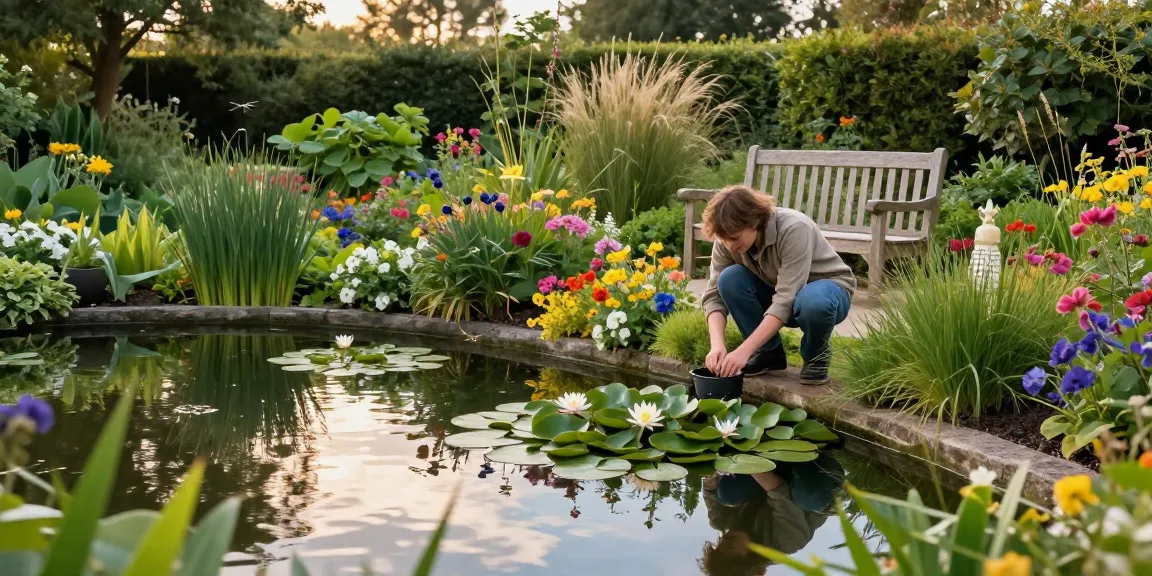
When Sarah noticed browned patchy rings around her sprinkler heads last summer, she assumed her system just needed more runtime. Her backyard is a mix of a small lawn, a raised vegetable bed, and several potted herbs on the patio — so one watering approach didn’t fit all. She soon learned that the wrong choice between drip and spray was costing water, stressing plants, and inflating her bill.
1. Mistake: Treating the Entire Yard Like a Lawn — and the Fix
Problem: Many homeowners hook a single sprinkler system to cover everything — lawn, flower beds, vegetable patches, and containers — assuming uniform coverage is efficient. That’s not true. Lawns and beds have different root depths, watering frequencies, and flow needs. A sprinkler that soaks the lawn can wash fertilizer away from vegetable beds and over-saturate flower roots.
Why it wastes water
Sprinklers produce high runoff on compacted soils and slopes. According to university extension studies, surface runoff can lose up to 30% of applied irrigation when application rate exceeds soil infiltration (source: many state extension publications). In practical terms, a 1/2-inch application that runs off wastes a large fraction of the delivered water.
The right setup
Solution: Zone your yard. Use spray or rotor sprinklers for turf where even coverage is needed, and switch to drip for vegetable beds and perennial borders. For patios and containers, use slow self-watering or micro-drip emitters. A WiFi timer such as the RainPoint model lets you create separate schedules for each zone so the lawn gets typical 1–2 sessions per week and beds get shorter, more frequent pulses targeted at roots.
If you want a single resource for converting beds and containers, consider a step-by-step plan to upgrade to a water-saving lawn with RainPoint that walks through zoning and component selection.
2. Mistake: Overwatering with Sprinklers Instead of Deep, Infrequent Watering — and the Fix
Problem: Running sprinklers daily for short periods keeps soil surface wet but never promotes deep root growth. Shallow roots make grass and plants more drought-sensitive and increase total water use over a season.
Why it wastes water
Frequent light watering increases evaporation losses and can encourage surface disease. The EPA notes that smart irrigation controllers can save up to 15% in outdoor water use versus conventional timers; switching from daily shallow sprays to deeper, scheduled runs is one way to realize that saving (EPA WaterSense).
The right setup
Solution: For lawns, use rotor or fixed-head sprinklers programmed for longer runs 1–3 times per week depending on climate, soil, and season. For beds, install drip lines or soaker hoses that deliver water slowly into the root zone. Drip systems apply water at 0.5–2 gallons per hour per emitter directly to the soil, reducing evaporation and runoff. A smart controller will water the lawn deeply and let drip zones run for short, targeted cycles — encouraging deeper roots and reducing overall consumption.
3. Mistake: Installing Drip Incorrectly — and the Fix
Problem: Drip irrigation is praised for efficiency, but it’s often installed too shallow, with emitters spaced poorly, or without filtration. That causes uneven wetting, clogged emitters, and plant stress.
Common installation errors and quick fixes
- Emitters placed on the soil surface in windy, hot spots evaporate more — bury or mulch over tubing where appropriate to reduce loss.
- Emitters spaced either too far apart or too close. Match spacing to crop root zones: tomatoes need emitters 12–18" apart, whereas a shrub bed might use one emitter per plant plus lateral lines.
- No filter or pressure regulator. Municipal water and well water often carry particulates; install a 120–mesh filter and a pressure regulator to protect emitters from clogging and to maintain even drip rates.
Example scenario
In a 10'×20' vegetable bed, run two parallel 1/2" drip mainlines with emitters every 12" and a 1–2 gallon/hour flow rate per emitter. That setup will wet the root zone for a row of tomatoes without oversaturating pathways. If you use a smart timer, you can run shorter cycles in hot weather and back off when it's cooler.
4. Mistake: Choosing Sprinklers for Narrow or Irregular Beds — and the Fix
Problem: Sprinkler heads are designed for broad, uniform coverage. Placing them near narrow borders or irregular-shaped flower beds leads to overspray on sidewalks, driveways, and wasteful misting that never reaches roots effectively.
Why this matters
Overspray evaporates quickly, wets non-plant surfaces, and can cause water waste of 20–40% in poorly designed systems. Practical examples from extension bulletins show inefficient layouts commonly trigger complaints from neighbors when water hits sidewalks and streets.
The right setup
Solution: Use drip tubing or soaker hoses for narrow beds and irregular shapes. Micro-sprayers can work for small shrubs but are less efficient than emitters when wind is present. A low-flow soaker hose laid along the base of plants delivers water where roots need it. For a 3' wide border, a single soaker line with 8–12" spacing generally provides even moisture without overspray.
AreaRecommended SystemTypical Run TimeSmall lawn (under 1,000 sq ft)Mobile sprinklers or small rotor zone20–30 min, 2×/weekLarge lawnIn-ground rotor system with smart controller30–45 min, 1–3×/weekVegetable bedsDrip tubing with 12" emitters10–30 min, 3–5×/week (seasonal)Potted plantsSelf-watering or micro-drip5–15 min, daily or alternate days
5. Mistake: Using a Single Timer Schedule for All Zones — and the Fix
Problem: Many systems use a single timer schedule which forces every zone to run the same length and frequency. Lawns, shrubs, veggies, and containers have different needs, so a one-size-fits-all schedule wastes water and harms plants.
How to do it right
Solution: Configure multi-zone scheduling. Use a smart WiFi controller to set zone-specific durations and start times. For example, set turf zones to longer, infrequent cycles and drip zones to shorter, more frequent pulses that target root zones without saturation. A WiFi timer from RainPoint can handle those differences and make seasonal adjustments automatically so you don’t have to reprogram every month.
Real numbers to guide you
Here’s a practical routine for a mixed yard: turf rotors run 35–40 minutes twice weekly during summer; drip vegetable beds run 15 minutes three times weekly; containers get 8–12 minutes daily or via a slow-watering wicking solution. These values will vary with your soil type — clay needs slower application rates, sandy soils need more frequent watering — and adjusting based on a simple screwdriver moisture check will save water and keep plants healthy.
For homeowners ready to map their zones and choose equipment sizes, check an easy conversion guide that helps you upgrade to a water-saving lawn with RainPoint and match the right product to each zone.
If you’re unsure how much to water, local county extension services provide region-specific recommendations — and the EPA WaterSense site has good national-level guidance on smart controllers and water savings