Understanding Door Handle Types and Their Uses
Door handles are not just functional elements of a home; they play a significant role in the overall aesthetic and security of your space. When selecting the right door handle, it’s essential to understand the various types available, their appropriate applications, and how they can complement your decor.
Common Styles of Door Handle
Door handles come in a wide variety of styles to suit different preferences and settings. Here are some of the most common types:
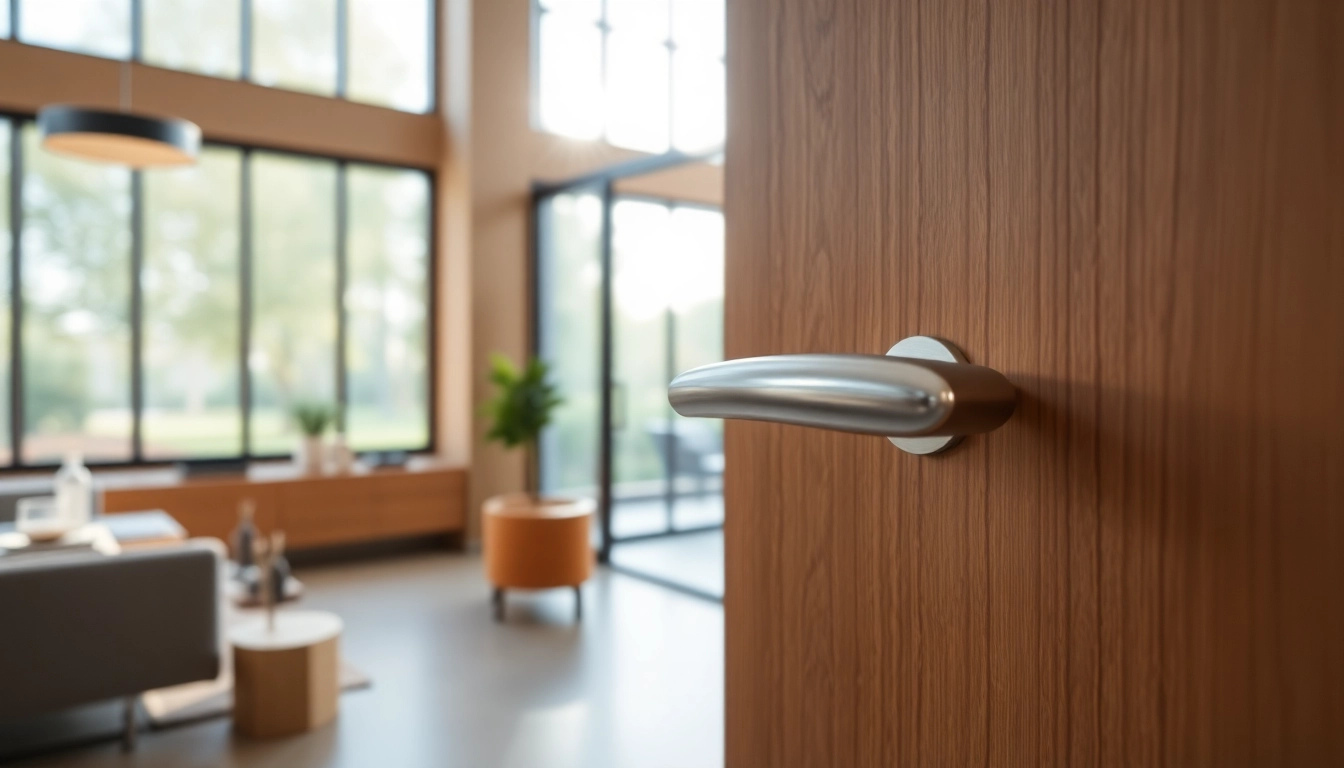
- Lever Handles: Known for their ease of use, lever handles can be operated with a simple push down, making them accessible for people of all ages.
- Knob Handles: A classic option, knob handles are cylindrical and require a twist to operate. They come in various designs and finishes, providing a timeless look.
- Pull Handles: These handles are ideal for sliding doors and cabinets, providing a sleek look suited for modern interiors.
- Mortice Handles: Often found in traditional settings, mortice handles feature a complex installation and are typically made from solid materials like brass or bronze.
- Ball Handles: These are round and provide a unique aesthetic. They are a playful option often used in children’s rooms or casual areas.
Handles for Different Door Types
Choosing the right door handle also depends on the type of door:
- Interior Doors: These often use lever or knob handles, focusing more on style than security.
- Exterior Doors: It is critical to choose robust and secure options for exterior doors, such as deadbolts or high-security lever handles.
- Cabinet Doors: For cabinets, smaller knobs or pull handles are typically used, allowing easy access to storage.
- Sliding Doors: Specialized pull handles allow users to open sliding doors effortlessly, while maintaining a smooth operation.
Choosing Material and Finish
The material and finish of a door handle influence both its durability and aesthetic appeal. Here are some popular materials:
- Brass: Known for its strength and classic look, brass is resistant to corrosion but may require regular polishing.
- Stainless Steel: This is a popular choice due to its durability, modern aesthetic, and resistance to rust and corrosion.
- Aluminium: Lightweight and resistant to corrosion, aluminium handles can be finished in a variety of colors and styles.
- Plastic: A less common option, plastic handles are usually less expensive and don’t corrode, but they’re not as sturdy as metal options.
Installation Guide for Door Handles
Installing a door handle can be a straightforward process if you have the right tools and follow a systematic approach. Regardless of your level of expertise, this guide will help you navigate through the installation process effectively.
Tools Needed for Installation
Before you start, make sure you have the following tools:
- Drill with appropriate bits
- Screwdriver (Phillips and flathead)
- Measuring tape
- Chisel (if required for mortice handles)
- Pencil for marking
Step-by-Step Installation Process
- Measure and Mark: Determine the height at which you want to install the handle and mark it on the door.
- Drill Holes: If installing a lever or knob handle, drill holes according to the size of the handle. For mortice handles, you may need to chisel out a pocket in the door.
- Fit the Handle: Insert the handle through the drilled holes, ensuring it sits flush against the door.
- Screw in Place: Secure the handle with screws provided in the package, making sure not to overtighten.
- Test the Handle: Double-check that the handle operates smoothly and repair any misalignments.
Tips for Proper Alignment
Ensuring your handle aligns correctly is crucial for functionality and aesthetic appeal:
- Use a level tool to check horizontal alignment.
- Consider using masking tape to outline where the handle will go before drilling.
- Have someone assist you by holding the handle in place while you secure it.
- After installation, test the handle several times to ensure it is properly aligned and secure.
Maintaining Your Door Handle
Maintaining your door handle is essential to ensure it lasts for years and continues to function smoothly. Regular upkeep helps avoid issues and keeps doors aesthetically pleasing.
Regular Cleaning Tips
To clean your door handle effectively, follow these tips:
- Use a mixture of warm water and mild soap for cleaning; avoid harsh chemicals that can damage the finish.
- For stainless steel, use a microfiber cloth to prevent scratching.
- Check for dirt and grime regularly, especially on exterior handles, and clean as needed.
- Polish brass or chrome finishes occasionally to retain their shine.
Identifying Common Issues
Regular checks can help you identify issues early:
- Wobbling Handle: This can indicate loose screws or a need for replacement.
- Sticking Action: If the handle is hard to turn, there may be misalignment or debris buildup.
- Peeling Finish: This can signal wear and might necessitate refinishing or replacement.
When to Replace Your Door Handle
Replace your door handle if:
- It shows signs of significant rust or corrosion.
- If any mechanical parts are broken or worn out beyond repair.
- The handle does not secure the door effectively, posing a security risk.
- It no longer fits your home's aesthetic, and you wish to upgrade.
Enhancing Home Security with Door Handles
When considering door handles, security should be top of mind, especially for exterior doors. The right handle not only adds to the style but can also offer enhanced security features, safeguarding your home.
Choosing Security-Focused Door Handles
Security-focused handles provide features designed to deter break-ins:
- Deadbolts: These should always be combined with a door handle for maximum security.
- Smart Locks: Integrating technology, these handles can lock/unlock using smartphones or codes.
- Anti-Snap Features: Some handles are designed to prevent forced entry by snapping.
Smart Door Handles and Technology
Smart door handles are becoming increasingly popular:
- They can be controlled remotely via smartphone apps.
- Some can log entry and exit times, enhancing security for homes and businesses.
- Many smart door handles offer keyless entry, providing convenience for users.
Integrating Security with Style
It’s essential to find a balance between style and security:
- Choose handles with contemporary designs that also feature advanced locking mechanisms.
- Combine traditional styles with security upgrades to maintain aesthetic appeal.
- Consult with experts to select handles that blend seamlessly with your home’s design while enhancing security.
Frequently Asked Questions
What is the best material for a door handle?
Brass and stainless steel are excellent choices for durability and style, providing both aesthetic appeal and longevity.
How do I install a door handle?
Follow a step-by-step guide that includes measuring, marking, drilling holes, and securing the handle carefully to ensure proper function.
Are there door handles for sliding doors?
Yes, specialized handles designed for sliding doors ensure smooth operation and aesthetic appeal in various styles.
What finishes are available for door handles?
Popular finishes include polished brass, matte black, and brushed nickel, offering various styles to match your home's decor.
How often should I maintain my door handle?
Regular cleaning and checks for wear should be done at least twice a year to ensure longevity and proper function.