
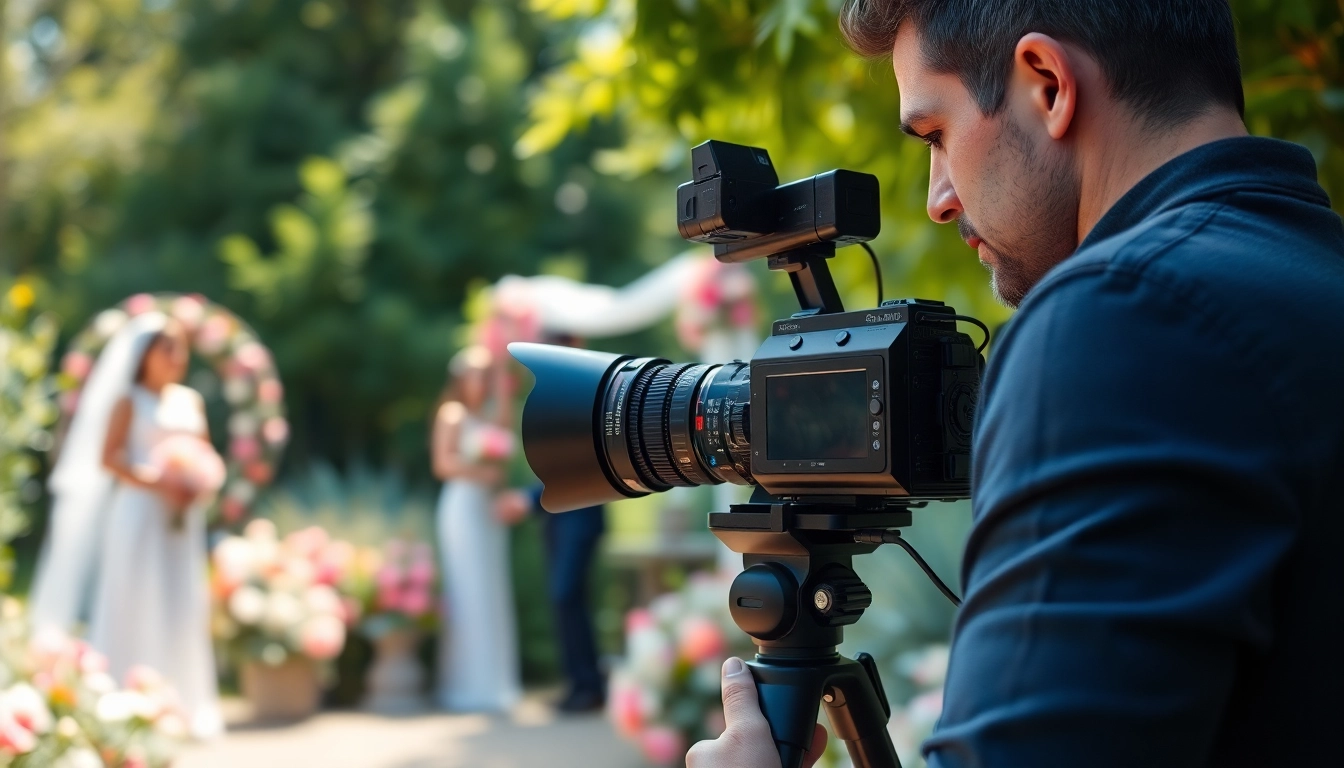
Understanding the Role of a Videographer
In today’s digital landscape, video content has emerged as one of the most engaging forms of communication. At the core of this medium lies the Videographer, a professional who captures and produces video footage for various purposes. Whether it’s for weddings, corporate events, documentaries, or creative films, the role of a videographer is both integral and multifaceted. In this comprehensive guide, we will explore the various dimensions of videography, helping you understand this art form and how to choose the right videographer for your needs.
What Does a Videographer Do?
A videographer is responsible for capturing video footage and may also handle editing and post-production tasks. The duties can vary significantly depending on the project type, but generally include:
- Planning: Understanding the client’s vision, scriptwriting (if needed), and creating a shot list.
- Filming: Operating cameras, setting up equipment, and directing scenes to ensure high-quality footage.
- Editing: Collaborating with editors or performing editing tasks themselves, including color correction, adding music, and creating effects.
- Client Communication: Maintaining communication with clients throughout the project to ensure their vision is realized.
Types of Videographers
Videographers can specialize in various niches, leading to different styles and approaches. Here are some common types:
- Event Videographers: Specializing in capturing live events like weddings and parties, focusing on storytelling through candid moments.
- Corporate Videographers: Creating promotional videos, company profiles, and training videos, emphasizing professionalism and brand messaging.
- Documentary Videographers: Telling real-life stories through interviews and observational footage, often collaborating with the subject matter experts.
- Social Media Videographers: Producing short, impactful video content tailored for social platforms, ensuring high engagement rates.
The Importance of Videography in Events
Advanced videography skills are essential for capturing the essence of any event. High-quality videography can significantly enhance audience engagement for various reasons:
- Memories: Professional videographers ensure that special moments are captured and preserved, allowing clients to relive their experiences over and again.
- Brand Promotion: For corporate events, videography serves as a powerful marketing tool, highlighting key moments that can be shared across platforms to bolster brand visibility.
- Storytelling: Well-crafted video content tells a story that resonates with viewers on an emotional level, making the event more memorable.
How to Select the Ideal Videographer
Selecting the right videographer can be a daunting task, especially given the wide array of available options. Here are steps to guide you in your search:
Key Qualities to Look For In a Videographer
When evaluating potential videographers, consider the following qualities:
- Experience: Look for a videographer with a strong portfolio that showcases their style and capabilities.
- Technical Skills: Understanding of camera equipment, lighting, and sound is crucial for high-quality video production.
- Creativity: A unique artistic perspective can elevate your project, making it stand out.
- Professionalism: Reliable communication and respect for deadlines are vital for a smooth workflow and successful project completion.
Questions to Ask Potential Videographers
Asking the right questions will help you gauge a videographer’s fit for your project:
- What is your experience with similar projects?
- Do you have a portfolio I can review?
- What equipment do you use, and why do you prefer it?
- What is your approach to editing and post-production?
- Can you provide client references or testimonials?
Understanding Videographer Packages and Pricing
Videographer pricing can vary widely based on several factors, including experience, project scope, and complexity. It’s essential to understand what each package entails:
- Basic Package: Typically includes a single camera setup and basic editing. It’s often suitable for small events.
- Standard Package: Often features multi-camera setups, better audio equipment, and more hours of coverage.
- Premium Package: May include additional services such as drone footage, advanced editing, and special effects.
Understanding what each package includes will help align your expectations with your budget.
Videographer Equipment Essentials
Professional videographers rely on a wide range of equipment to ensure they deliver high-quality work. Here are some essentials that skilled videographers typically use:
Must-Have Equipment for Professional Videographers
The backbone of any videographer’s toolkit includes:
- Cameras: High-definition cameras capable of recording in varying resolutions, including 4K and 1080p.
- Tripods/Stabilizers: To ensure stable shots, especially during movement or longer takes.
- Lighting Equipment: Artificial lighting tools that enhance a scene’s visibility and mood.
- Audio Gear: Quality microphones to capture clear sound, crucial for interviews and live events.
Understanding Different Camera Formats
Videographers often work with various camera formats, each with distinct characteristics:
- DSLR Cameras: Versatile and suitable for both still photography and video, offering excellent quality.
- Mirrorless Cameras: Known for their compact size and superior autofocus capabilities, ideal for fast-moving shoots.
- Camcorders: Specifically built for video recording, often featuring built-in stabilization and extended recording times.
Audio Recording Techniques for Videographers
Sound quality is just as critical as visual quality. Here are some techniques videographers use to ensure optimal audio:
- Lapels or Lavalier Microphones: Ideal for capturing speech clearly, especially in interviews.
- Shotgun Microphones: Directional mics that capture sound from a specific source, minimizing background noise.
- Multi-track Recording: Enables isolation of different audio sources, allowing for better mixing during editing.
Best Practices for Working with a Videographer
To ensure a seamless collaboration with your videographer, follow these best practices:
Preparing for Your Videographer Before the Event
Preparation is key to a successful shoot. Here are steps to take:
- Set Expectations: Clearly communicate your vision and goals for the video.
- Schedule a Walk-Through: If possible, arrange a pre-event meeting at the venue to discuss logistics and layout.
- Gather Necessary Documents: If applicable, provide scripts, timelines, and must-have shots for the videographer.
Tips for Communicating with Your Videographer
Effective communication goes a long way in ensuring your vision is realized:
- Be Open to Feedback: Videographers often have creative ideas that can enhance your original concept.
- Check-in Pre-Event: Reconfirm details like timing, location, and special requests a few days before the event.
Post-Event Coordination with Your Videographer
After the event, maintaining communication can facilitate a smooth post-production process:
- Review Timeline: Discuss the editing timeline and any key editing requests you may have.
- Provide Feedback: Constructive feedback can help improve the final product and enhance your relationship for future projects.
Trends in Videography
The videography field is continuously evolving, driven by emerging technology and audience preferences. Understanding current trends can keep your projects fresh and engaging:
Emerging Technologies in Videography
New technologies are shaping the videography landscape:
- 360-Degree Video: Provides an immersive viewer experience, allowing audiences to explore the scene actively.
- Drone Videography: Offers breathtaking aerial views and unique angles that enhance storytelling.
- Live Streaming: Enables real-time broadcasting of events, providing immediate access for remote audiences.
Innovative Styles and Techniques in Videography
Exploring different styles can give your projects a unique flair:
- Time-Lapse: Captures changes over time, effectively showcasing events like sunset or crowd movements.
- Slow Motion: Emphasizes key moments, adding emotional impact and drama to your footage.
- Cinematic Techniques: Incorporating elements like depth of field and creative transitions can elevate the narrative quality.
How to Keep Your Videography Fresh and Engaging
To maintain audience interest, consider these strategies:
- Stay Current: Keep up with trends and techniques by attending workshops and webinars.
- Experiment: Don’t shy away from trying new styles or formats to see how they resonate with your audience.
- Incorporate Audience Feedback: Use insights from your viewers to refine your approach and better cater to their preferences.