
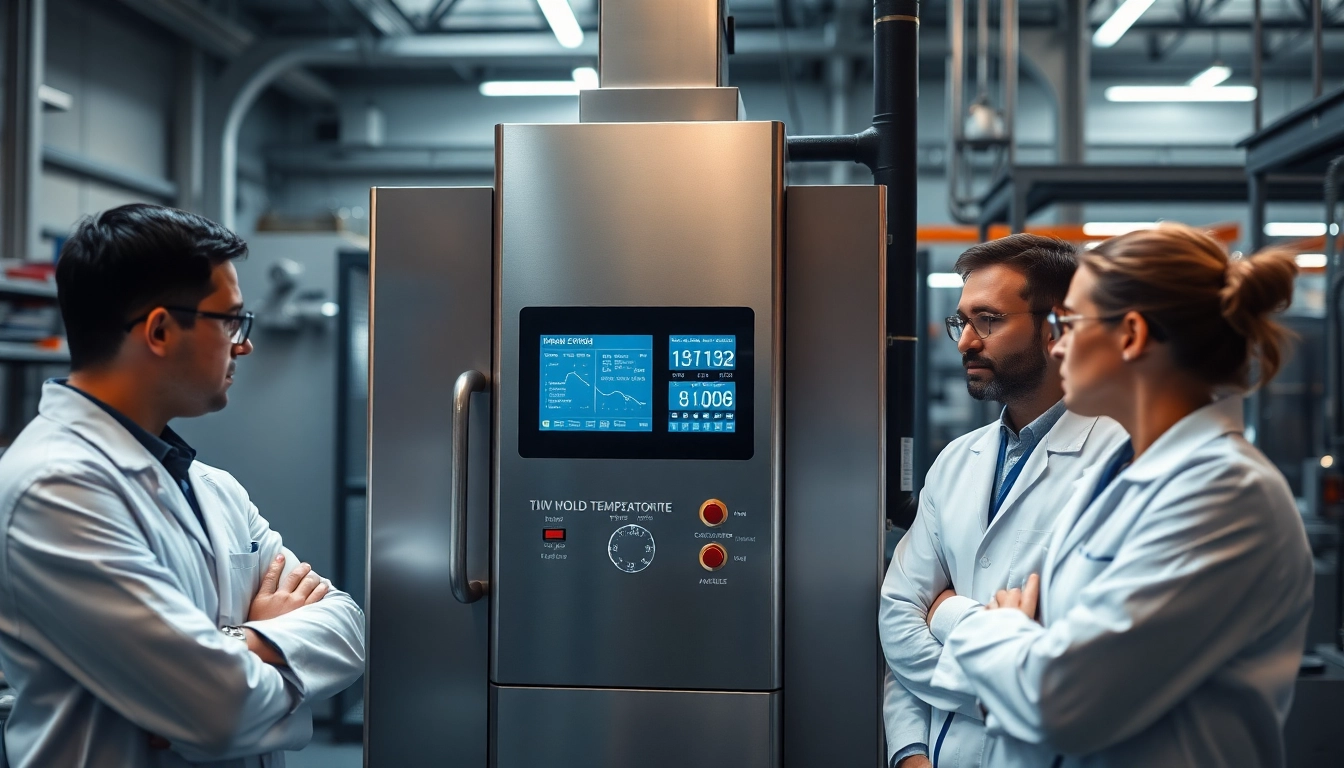
Understanding Mould Temperature Controllers
Mould temperature controllers are crucial devices in various manufacturing processes, ensuring that the temperature of moulds remains stable and within the desired range. These devices are integral to the production quality of plastic parts, metal casting, and even food processing. By effectively managing the temperature of moulds, manufacturers can achieve consistent product quality and reduce defects. When exploring options, Mould Temperature Controller solutions are available that cater to specific industry needs, emphasizing efficiency and precision.
What is a Mould Temperature Controller?
A mould temperature controller (MTC) is an industrial device that regulates the temperature of a mould during manufacturing processes. By circulating either heated or cooled fluids through the mould, these controllers maintain optimal temperature conditions, which is essential for the effective processing of materials. The ability to control the temperature precisely influences the end product’s quality, ensuring it meets the required specifications.
How Mould Temperature Controllers Function
Mould temperature controllers operate by using a closed-loop system where a heating or cooling medium—usually water or oil—circulates through the mould. The controller monitors the temperature using sensors and adjusts the temperature of the medium accordingly. Here’s a deeper look at the functionality:
- Heating Mode: When the mould requires heating, the controller activates electric heating elements, raising the temperature of the fluid that circulates through the mould.
- Cooling Mode: In contrast, if the mould needs cooling, the controller redirects the flow to a refrigeration unit or ambient temperature water, providing efficient cooling.
- Temperature Regulation: The system continuously checks the mould’s temperature and makes adjustments in real-time to maintain the desired level.
Key Benefits of Using Mould Temperature Controllers
The implementation of mould temperature controllers in manufacturing processes offers several advantages, including:
- Improved Product Quality: With precise temperature control, products exhibit fewer defects and better physical properties.
- Reduced Cycle Times: Efficient temperature management can lead to shorter production cycles, thereby enhancing overall productivity.
- Energy Efficiency: Modern MTCs are designed to minimize energy consumption while delivering optimal performance.
- Extended Equipment Lifespan: Maintaining suitable temperatures can reduce wear and tear on both the mould and machinery, extending their operational life.
Types of Mould Temperature Controllers
Water-Based Mould Temperature Controllers
Water-based mould temperature controllers are the most commonly used systems in industries where efficient heat transfer is essential. These systems circulate water through the mould to maintain the desired temperature. They are environmentally friendly, cost-effective, and capable of handling a wide range of temperatures, making them versatile for various applications.
Oil-Based Mould Temperature Controllers
Oil-based systems are preferred in applications requiring higher temperatures that water systems cannot achieve. These controllers use thermal oils, which have a higher boiling point than water, allowing for more consistent temperature maintenance in high-heat applications. While they can be more expensive and complex to maintain, they provide excellent temperature stability.
Comparison of Different Types of Controllers
When selecting a suitable mould temperature controller, manufacturers often weigh the pros and cons of water-based versus oil-based systems:
- Water-Based:
- Pros: Lower initial cost, ease of maintenance, and environmental safety.
- Cons: Limited temperature range compared to oil-based systems.
- Oil-Based:
- Pros: Higher temperature range and better stability under extreme conditions.
- Cons: More costly, complex maintenance requirements, and environmental concerns.
Application Areas of Mould Temperature Controllers
Injection Molding Processes
Injection molding is one of the primary applications for mould temperature controllers. In this process, maintaining a consistent temperature is crucial for producing high-quality plastic parts. The controller ensures that the mould achieves the right temperature quickly, allowing for rapid cycle times and enhanced product consistency.
Metal Casting Applications
In metal casting, temperature control is vital for achieving the desired properties in cast metals. Mould temperature controllers help regulate the cooling rates, which are critical for preventing defects such as warping or cracking. By maintaining optimal temperatures, manufacturers can ensure the integrity and performance of their metal components.
Pharmaceutical and Food Industry Uses
Both the pharmaceutical and food industries utilize mould temperature controllers to maintain strict hygiene and quality standards. In these sectors, precise temperature management is essential to ensure product safety and efficacy. The controllers help achieve consistent temperatures during processes like packaging and molding, thereby ensuring compliance with health regulations.
Best Practices for Operating Mould Temperature Controllers
Regular Maintenance and Calibration Tips
To ensure the long-term effectiveness of mould temperature controllers, regular maintenance is paramount. Key maintenance practices include:
- Conducting routine inspections of the heating and cooling systems to identify wear and tear.
- Calibrating temperature sensors to ensure accurate readings.
- Flushing the cooling systems to prevent build-up and ensure optimal fluid flow.
Optimizing Temperature Settings for Different Materials
Different materials require specific temperature profiles for optimal processing. Manufacturers should work closely with material suppliers to identify the ideal temperature settings for their moulding processes. Additionally, consider adjusting the temperature based on the production volume and the complexity of the mould design.
Common Challenges and Solutions
Operating mould temperature controllers can present several challenges, including:
- Temperature Fluctuations: Implementing a better feedback mechanism can help minimize fluctuations and maintain stable temperature.
- Fluid Contamination: Regular maintenance and using high-quality fluids can mitigate contamination risks, ensuring efficient thermal transfer.
- Lack of System Integration: Ensure that temperature controllers are seamlessly integrated with the overall manufacturing systems to enhance performance.
Future Trends in Mould Temperature Control
Innovations for Efficiency in 2025
The future of mould temperature control will be shaped by advancements in technology aimed at increasing efficiency and reducing energy consumption. Innovations such as advanced heat exchangers and smart algorithms for predictive maintenance are expected to improve performance significantly.
Integration of Smart Technology
Smart technology integration will revolutionize how temperature controllers operate, allowing for real-time monitoring and data analysis. IoT-enabled devices can provide manufacturers with critical insights into performance, enabling proactive adjustments to temperature settings and efficient operation.
Environmental Considerations and Sustainability Trends
As industries shift towards more sustainable practices, mould temperature controllers are also evolving to minimize their environmental impact. This includes the utilization of eco-friendly fluids and energy-efficient designs that reduce the carbon footprint of manufacturing processes.