
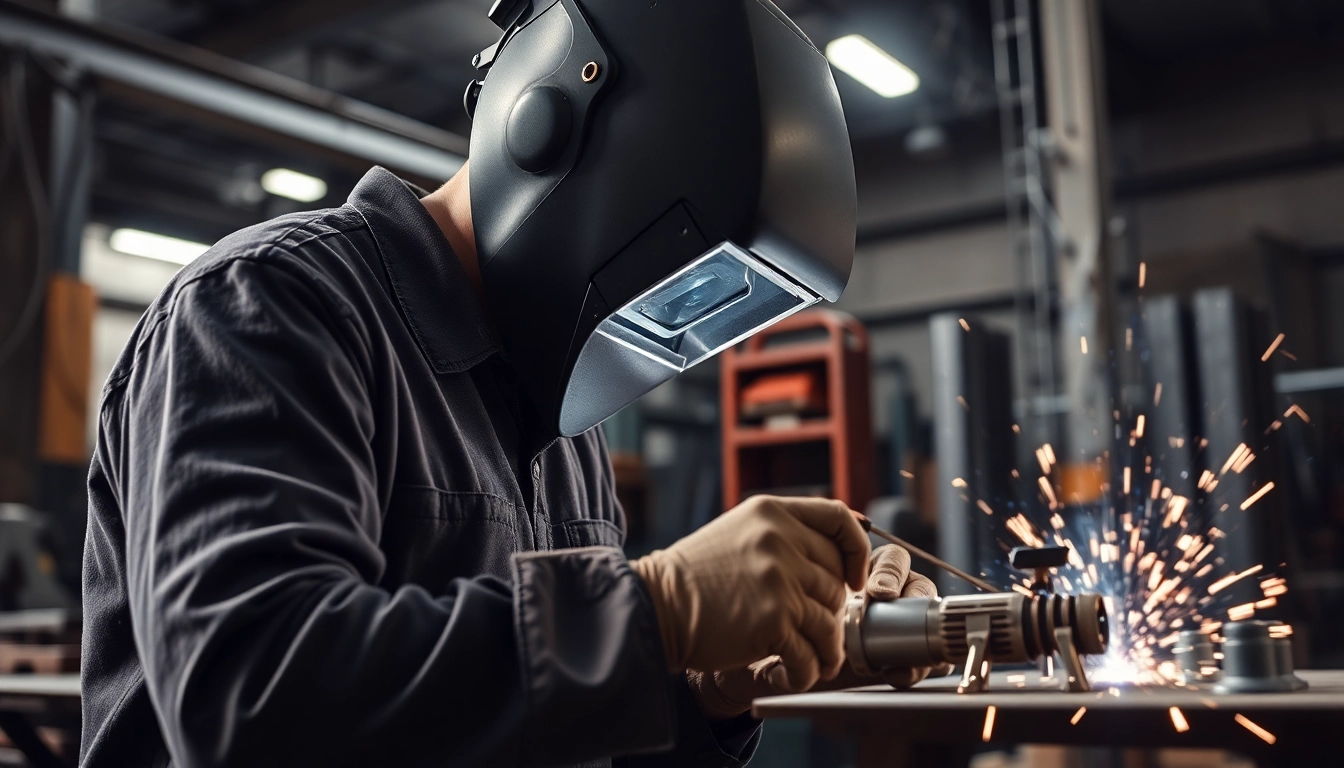
Introduction to Structural Steel Welding
Definition and Importance of Structural Steel Welding
Structural steel welding is a specialized practice focused on joining steel components to form robust and durable frameworks for buildings, bridges, and numerous other constructions. As a vital process within the construction and manufacturing industries, structural steel welding contributes significantly to the structural integrity and longevity of various projects. This technique not only ensures a secure bond between pieces but also allows for the customization of designs, facilitating complex and innovative architectural structures.
The importance of structural steel welding cannot be overstated; it enhances the overall resilience of constructions to withstand various stresses and environmental factors. Given that welds are often the weakest link in a metal structure, mastering the skill of effective and precise welding becomes imperative for professionals to uphold safety standards and project specifications. Moreover, advances in structural steel welding technology have led to improved efficiency and quality in construction practices.
Applications of Structural Steel Welding in Industries
Structural steel welding plays a crucial role across a diverse range of industries. Its primary applications can be categorized into several key sectors:
- Construction: The backbone of skyscrapers, bridges, and commercial buildings, structural steel welding is integral for secure and durable frameworks.
- Manufacturing: Welded components form critical machinery and equipment, enhancing production capabilities and operational efficiency.
- Shipbuilding: Structural steel welding is essential for constructing robust hulls and superstructures of vessels, ensuring they withstand harsh marine environments.
- Infrastructure: Paved roads, tunnels, and railways benefit from welded steel elements, which provide necessary support and stability.
Overall, structural steel welding is synonymous with strength and resilience, making it a pivotal process in any industrial application where safety and structure are paramount.
Common Types of Structural Steel Welding Techniques
Various welding techniques are employed in structural steel welding, each serving unique purposes and offering specific advantages:
- MIG Welding: Known for its speed and versatility, Metal Inert Gas (MIG) welding is often used in structural steel applications due to its ability to work with various steel thicknesses.
- TIG Welding: Tungsten Inert Gas (TIG) welding provides precise control, making it suitable for intricate welds that require a clean finish and minimal spatter.
- Stick Welding: Shielded Metal Arc Welding (SMAW) or stick welding is recognized for its adaptability in outdoor settings and effectiveness in joining thick materials.
These welding techniques, whether used individually or in conjunction, allow professionals to choose the best method based on project requirements, budgets, and timelines.
Key Tools and Equipment for Structural Steel Welding
Essential Welder Types and Their Functions
The choice of welding equipment is critical to achieving high-quality welds in structural steel welding. Different types of welders and machines serve specific purposes:
- MIG Welder: A MIG welder is user-friendly and suitable for various steel types, offering high productivity in welding operations.
- TIG Welder: The TIG welder is utilized where precision and aesthetics matter, making it ideal for thin or delicate pieces of steel.
- Stick Welder: The stick welder, favored for its portability, excels in field conditions and is highly effective for heavy-duty welding tasks.
Safety Gear and Equipment for Structural Steel Welding
Safety is paramount in structural steel welding, where hazards such as fumes, heat, and electric shock pose significant risks. Essential safety gear includes:
- Welding Helmet: Protects the welder’s face and eyes from harmful UV rays and sparks.
- Gloves: Heavy-duty gloves help prevent burns and injuries from sharp metal edges.
- Protective Clothing: Flame-resistant clothing prevents burns and protects against heat exposure.
- Respirators: Essential for protecting against harmful fumes generated during welding processes.
Adhering to safety protocols and using the right gear is crucial for maintaining a safe work environment and ensuring the health and well-being of welding professionals.
Maintenance of Welding Tools and Equipment
Regular maintenance of welding tools and equipment is vital to prolong their lifespan and ensure optimal performance. Key maintenance practices include:
- Regular Cleaning: Clearing any soot and residue from welding tips and nozzles to maintain efficiency.
- Calibration: Periodically check the settings of the welding machine to ensure correct voltage and amperage.
- Inspection: Routine inspections of cables, connectors, and safety gear to identify and rectify any wear and tear.
Prioritizing maintenance helps minimize downtime and enhances the reliability of equipment, ultimately reflecting quality in welds produced.
Techniques for Effective Structural Steel Welding
Preparation Steps for Successful Welding
Effective structural steel welding begins long before the welder ignites the torch. The preparation phase is crucial for ensuring high-quality welds and involves the following steps:
- Material Inspection: Assessing steel components for any defects, such as cracks or rust, that could compromise weld integrity.
- Surface Cleaning: Cleaning the surfaces to be welded removes contaminants that could cause defects such as porosity or slag inclusions.
- Fit-Up: Assembling the pieces precisely before welding to ensure proper alignment and gap control.
Taking the time to prepare can significantly impact the quality of the final weld and reduce the likelihood of costly repairs.
Welding Methods: MIG, TIG, and Stick
Each welding method has its own set of procedures and is suitable for different applications:
- MIG Welding Method: Involves feeding a continuous solid wire electrode through a welding gun, which melts the wire and fuses it with the metal parts. It’s well-suited for projects requiring speed and efficiency.
- TIG Welding Method: Utilizes a non-consumable tungsten electrode to produce the weld. Filler material can be added separately, allowing for a high level of control that leads to cleaner and more precise welds.
- Stick Welding Method: Employs a consumable electrode coated in flux to protect the weld pool from contaminants during the process. This method is often preferred for outdoor and heavy-duty applications.
Understanding these methods enables welders to make informed choices about which technique to employ based on material characteristics, application requirements, and environmental conditions.
Post-Welding Techniques for Strong Joints
Once welding is complete, there are several techniques to ensure strength and durability of welded joints:
- Cooling: Controlled cooling techniques prevent thermal stress and distortion of welded components.
- Post-Weld Heat Treatment: Subjecting welded parts to heat treatment enhances metallurgical properties, reducing the likelihood of cracking.
- Inspection: Post-weld inspections, including non-destructive testing methods, detect any faults in the welds and evaluate overall joint strength.
Challenges in Structural Steel Welding and Solutions
Common Issues Faced During Welding
Welders encounter various challenges during structural steel welding, including:
- Distortion: The heat from welding can cause metal to warp, leading to misalignment.
- Porosity: Gas pockets can form in welded joints, weakening the structural integrity.
- Cracking: Often occurs due to high-stress concentration areas and improper cooling methods.
Techniques to Overcome Welding Challenges
To counteract the common challenges faced during structural steel welding, professionals can implement several strategies:
- Controlled Heat Input: Adjusting welding parameters to minimize heat distortion.
- Use of Filler Material: The choice of filler material can influence weld quality, helping to reduce porosity and improve joint strength.
- Proper Cooling Methods: Implementing controlled cooling to retain dimensional accuracy and reduce stress on the welded joints.
Quality Control Measures in Structural Steel Welding
Maintaining high standards of quality control is essential for ensuring the reliability of welded structures. Effective measures include:
- Regular Training: Continuous education and training programs for welders to stay updated on the latest techniques, materials, and safety practices.
- Documentation: Creating comprehensive records for each welding job that includes parameters used, inspection results, and any corrective actions taken.
- Non-Destructive Testing: Utilizing methods like ultrasonic testing or radiographic testing to ensure weld integrity without damaging the structure.
Future Trends in Structural Steel Welding
Advancements in Welding Technology
As industries evolve, so too do welding technologies. Future trends in structural steel welding include:
- Automation: The increasing use of robotic welding systems offers improved precision and efficiency, reducing reliance on manual labor.
- 3D Printing: Advances in 3D metal printing could revolutionize how steel components are manufactured and welded, leading to faster production times and reduced materials waste.
- Smart Welding Equipment: Integration of IoT and machine learning allows for intelligent monitoring of welding parameters in real-time, enhancing quality control.
Environmental Considerations in Structural Steel Welding
With growing concerns about environmental sustainability, the welding industry is adapting by focusing on methods that minimize ecological impact. Efforts include:
- Use of Recyclable Materials: Incorporating recycled steels reduces the consumption of new materials.
- Energy-Efficient Processes: Developing welding methods that consume less energy and produce less waste.
- Fume Management: Implementing filtration systems to reduce harmful emissions and improve air quality in work environments.
Skills Needed for Future Welding Professionals
The welding profession is continually evolving, requiring a new generation of welders equipped with advanced skills, such as:
- Technical Proficiency: Understanding the fundamentals of advanced welding technology and processes.
- Problem-Solving Abilities: The capability to address and resolve unexpected issues that arise during the welding process.
- Safety Awareness: A thorough understanding of safety regulations and practices to ensure a safe working environment.
As companies embrace innovations and face new challenges, welding professionals must equip themselves with the necessary skills to thrive in an increasingly competitive landscape.