
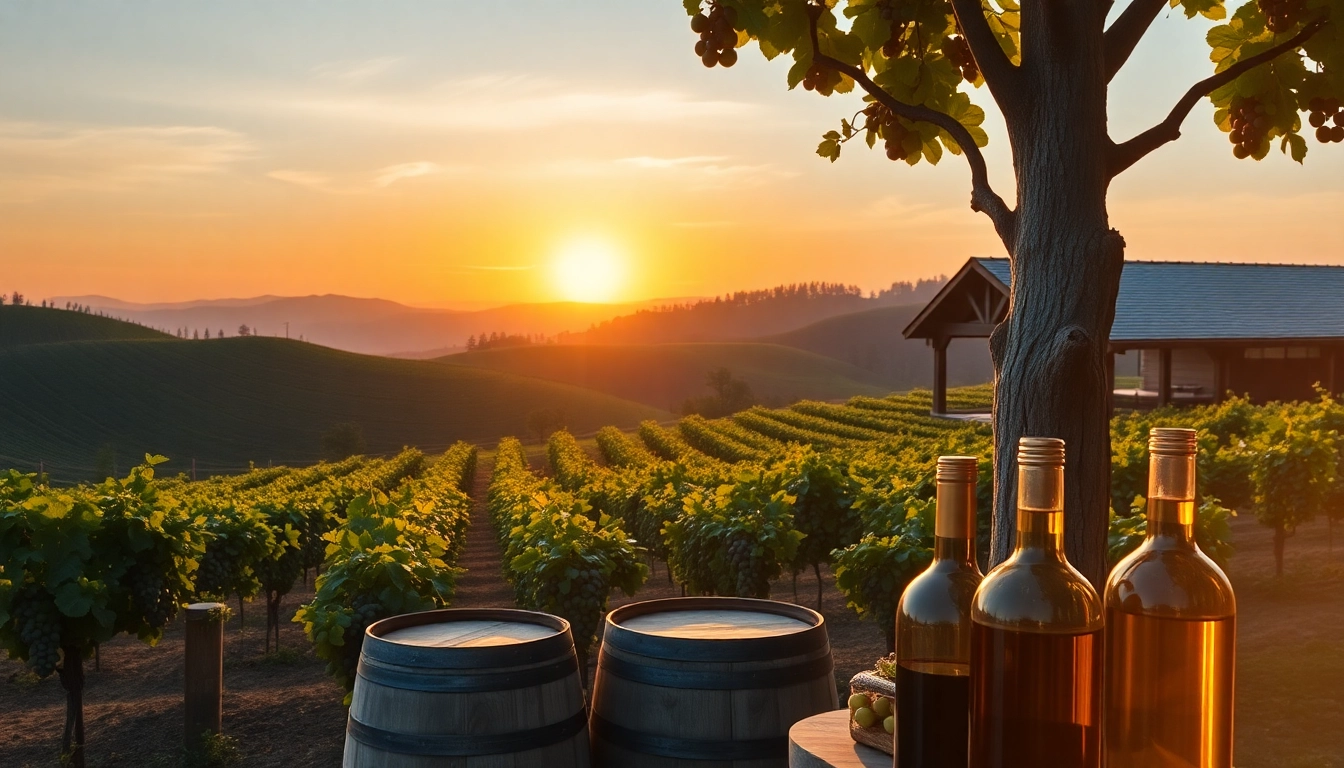
Introduction to Clarksburg Wineries
As you meander through the picturesque landscapes of California, one of the hidden gems that stands out is the Clarksburg wineries. Situated near the vibrant city of Sacramento, Clarksburg has earned a reputation for producing exceptional wines that celebrate both its heritage and the unique terroir of the region. With a diverse range of varietals and an assortment of stunning backdrops, Clarksburg provides an experience that appeals to novice wine drinkers as well as seasoned connoisseurs.
What Makes Clarksburg Unique?
Clarksburg is unique due to its rich cultural history, fertile alluvial soils, and a microclimate that is ideal for grape growing. Located near the confluence of the Sacramento and American Rivers, the region benefits from a warm climate with cool evening breezes that regulate temperatures, allowing grapes to develop intense flavors and balanced acidity. Additionally, Clarksburg’s proximity to the urban centers of Sacramento makes it a convenient destination for a relaxing getaway.
History of Wine Production in Clarksburg
The wine industry in Clarksburg dates back over a century, with the area’s first vineyards planted in the late 1800s. Initially started by Italian and Portuguese immigrants, who brought with them their winemaking traditions, Clarksburg’s legacy grew through the establishment of small family-owned wineries. The boom in wine production during the late 20th century paved the way for growth and innovation, resulting in a diverse array of vineyards and wineries. Today, Clarksburg is home to numerous award-winning wineries that showcase a blend of traditional methods and modern techniques.
Overview of Different Varietals
The Clarksburg region is particularly renowned for its white wines, especially Chenin Blanc and Sauvignon Blanc, which thrive in the local climate. In addition to whites, Clarksburg also produces an impressive range of reds, including Cabernet Sauvignon, Merlot, and Zinfandel. This diversity is enriched by the region’s commitment to maintaining high-quality standards, resulting in an exceptional selection of wines available for tasting across several local wineries.
Types of Wineries in Clarksburg
Family-Owned vs. Corporate Wineries
In Clarksburg, you will find a delightful mix of both family-owned and larger corporate wineries. Family-owned wineries often focus on craftsmanship and tradition, valuing quality and personal touch over quantity. They are commonly run by generations of wine makers who have deep-rooted connections to the land and employ meticulous methods of wine production.
On the other hand, corporate wineries may offer a broader selection of wines due to larger production capabilities and increased distribution channels. They often experiment with innovative techniques and have the resources to invest in cutting-edge technologies for wine making. Regardless of the type, both contribute significantly to the wine scene in Clarksburg.
Boutique Wineries and Their Specialties
Boutique wineries in Clarksburg are often characterized by their small batch production and unique offerings. These establishments typically focus on limited production wines, allowing them to emphasize quality and niche varietals. Many boutique wineries offer personalized tasting experiences where guests can engage with the winemakers, learn about their processes, and even influence small lot wines through direct feedback. This intimate atmosphere highlights the passion behind every bottle and fosters a deeper appreciation of the craftsmanship involved.
Sustainable Practices in Local Wineries
As the demand for sustainability grows, many Clarksburg wineries have adopted eco-friendly practices. These include organic farming methods, water conservation techniques, and biodynamic viticulture, all aimed at minimizing environmental impact. Wineries are increasingly using solar power, implementing composting systems, and promoting biodiversity by maintaining natural habitats within vineyard spaces. Such practices not only support the environment but also enhance the quality of the grapes, offering a true taste of the land.
Popular Wine Varieties from Clarksburg Wineries
Top White Wines to Try
Clarksburg is particularly revered for its white wine offerings. Chenin Blanc, known for its crisp acidity and bouquet of citrus and floral notes, is a standout. This varietal thrives in the region’s terroir, allowing winemakers to produce wines that are both refreshing and complex. Sauvignon Blanc is another must-try, celebrated for its vibrant citrus flavors and herbaceous aroma, making it perfect for warm days and pairings with seafood or salads.
Exploring Red Wine Offerings
While white wines dominate Clarksburg’s reputation, red varieties such as Cabernet Sauvignon and Zinfandel deserve equal attention. Cabernet Sauvignon, often dubbed “the king of red wines,” showcases rich flavors of dark fruit and hints of oak, characteristic of the region’s winemaking techniques. Zinfandel, on the other hand, is a more approachable option, offering jammy fruit profiles and spice notes that make it an excellent companion for barbecue and hearty dishes. Many wineries also produce blends that include these varietals, offering even more options for tasting.
Sweet and Dessert Wines of Clarksburg
For those with a sweet tooth, Clarksburg wineries provide delightful dessert wines. Many producers create late-harvest wines that concentrate the natural sugars and flavors of the grapes, resulting in luscious selections that pair beautifully with desserts or can be enjoyed on their own. Additionally, ports and fortified wines are crafted in the region, delivering rich, velvety textures and complex flavors perfect for sipping after a meal.
Visiting Tips for Clarksburg Wineries
Best Times to Visit
Timing your visit to Clarksburg wineries is essential for getting the most out of your experience. The best seasons are spring and fall when the vineyards are lush and the weather is pleasant. Harvest season in late summer to early autumn offers exciting opportunities to witness the winemaking process first-hand, and many wineries host special events during this time. Weekdays are usually less crowded, allowing for a more personalized tasting experience.
Planning Your Wine Tasting Tour
When planning a wine tasting tour in Clarksburg, consider mapping out the wineries you wish to visit and checking their tasting hours in advance. Many wineries require appointments, especially during peak seasons, so always ensure you have a little flexibility and time for exploration. It’s also recommended to designate a driver or consider a wine tour service to fully enjoy the experience without worrying about transportation.
Local Dining Options Near Wineries
After a day of wine tasting, indulge in the local culinary scene to complement your wine experience. Clarksburg and the surrounding areas boast a variety of dining options ranging from casual bistros to upscale restaurants. Many establishments focus on farm-to-table fare, utilizing locally sourced ingredients to create delicious dishes that pair wonderfully with the wines of the region. Exploring local dining options allows you to experience the full spectrum of flavors offered by Clarksburg’s agrarian lifestyle.
Frequently Asked Questions about Clarksburg Wineries
What are the must-try wines in Clarksburg?
Some of the must-try wines include Chenin Blanc, Cabernet Sauvignon, and Sauvignon Blanc.
Are reservations necessary for tastings?
While not always required, making a reservation is recommended, especially during peak seasons for a seamless experience.
What events are hosted at Clarksburg wineries?
Wineries often host events like harvest festivals, wine releases, and food pairings, enhancing the visitor experience.
Can I bring food to the wineries?
Many wineries have picnic areas, allowing visitors to bring food. However, check specific winery policies beforehand.
Are tours available at Clarksburg wineries?
Yes, many wineries offer guided tours where you can learn about the winemaking process and the history behind the vineyards.