
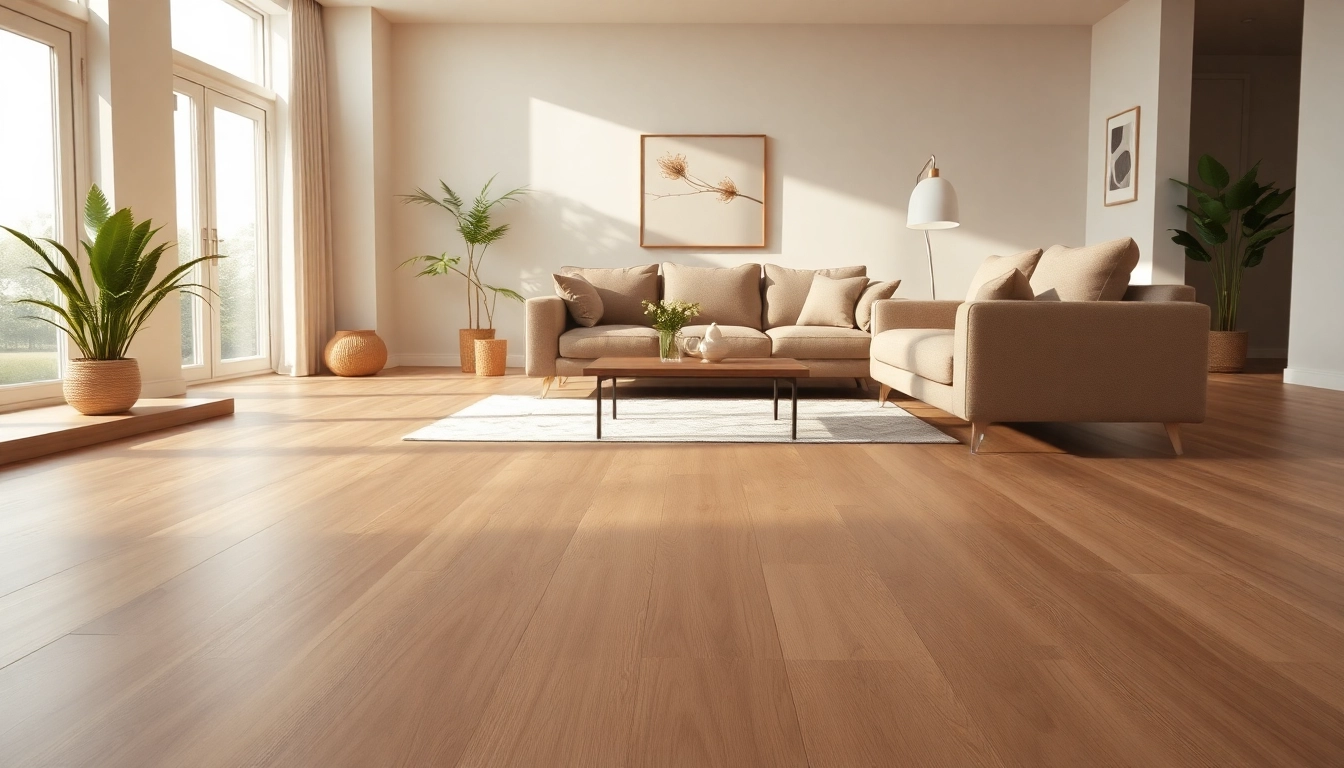
Understanding Vinyl Flooring
What is Vinyl Flooring?
Vinyl flooring is a flexible, affordable, and practical flooring option that has gained popularity in recent years for both residential and commercial use. Typically made from a mixture of materials including polyvinyl chloride (PVC) and other additives, vinyl flooring offers a durable surface that mimics the appearance of wood, stone, or tile. With a variety of designs and finishes available, vinyl flooring satisfies aesthetic preferences while providing a practical flooring solution.
Types of Vinyl Flooring Options
There are primarily two types of vinyl flooring: sheet vinyl and vinyl tiles. Sheet vinyl consists of a large, continuous sheet of vinyl that can cover extensive areas without seams, minimizing chances for moisture intrusion. This type is especially useful in high-traffic areas or moisture-prone rooms such as kitchens and bathrooms.
On the other hand, vinyl tiles are square or rectangular pieces that can be laid individually, offering versatility in design. Luxury vinyl tiles (LVT) elevate the appeal with authentic textures and patterns, designed to resemble natural materials. Additionally, vinyl planks are similar to LVT but in a plank format, allowing for easy installation and a classic wood-like appearance.
Benefits of Choosing Vinyl Flooring
Choosing vinyl flooring brings a spectrum of advantages. First and foremost, it is highly resilient to wear and tear, making it an ideal choice for homes with pets, children, or high foot traffic. Vinyl flooring also showcases remarkable resistance to moisture, ensuring longevity even in damp environments.
In addition to durability, it stands out for its aesthetic appeal, available in countless designs and colors to suit any home decor. Moreover, vinyl flooring is soft underfoot, providing comfort and warmth, especially when compared to harder flooring options. Lastly, its cost-effectiveness makes it an attractive choice without sacrificing style or quality.
Installing Vinyl Flooring
Preparation for Installation
Preparation is key to a successful vinyl flooring installation. Before laying down the flooring, the existing subfloor must be clean, dry, and level. Any debris or old flooring should be removed to prevent bubbles or unevenness. It’s also indispensable to acclimate the vinyl planks or tiles by letting them sit in the installation area for at least 48 hours, allowing them to adjust to the local temperature and humidity.
Step-by-Step Installation Guide
The installation process varies based on the type of vinyl flooring selected. For sheet vinyl, the following steps should be followed:
- Measure the area accurately to cut the sheet vinyl accordingly.
- Using a utility knife, cut the sheet to the required size and pattern.
- Apply a special adhesive to the subfloor, ensuring to cover the appropriate area.
- Carefully lay the cut sheet vinyl into position and press down firmly to eliminate air pockets.
For vinyl tiles or planks, the instructions are slightly different:
- Start in the center of the room to ensure balance in the layout.
- Dry-fit the tiles or planks first to plan placement.
- Once satisfied, apply adhesive or peel the backing off and stick them firmly to the subfloor.
- Use a roller to ensure even connections and eliminate air pockets.
Common Installation Mistakes to Avoid
There are several pitfalls to avoid during installation. One common error is failing to clean the subfloor thoroughly, leading to an uneven surface that can impact the final appearance. Additionally, neglecting to acclimate the materials can result in gaps and warping once the flooring is installed. Lastly, improper adhesive application can cause the tiles or planks to shift over time, resulting in an unprofessional look and potential functional issues.
Maintaining Your Vinyl Flooring
Daily Care and Cleaning Tips
Regular maintenance is essential for keeping your vinyl flooring looking new. Daily sweeping or vacuuming should be part of your cleaning routine to eliminate dirt and debris. For deeper cleaning, using a damp mop with a mild detergent is effective. It’s essential to avoid abrasive cleaners that can scratch the surface. Also, using felt pads on furniture legs will help to reduce scratches and wear.
Long-term Maintenance Strategies
In the long run, maintenance strategies focus on protecting the flooring from potential damage. Placing mats at entryways can catch dirt and moisture before it gets on the floor. It’s also wise to periodically apply a vinyl sealer, which adds a protective layer and helps maintain the shine.
Repairing Damage: What to Know
Despite its durability, vinyl flooring can suffer scratches and dents over time. Most minor scratches can be removed with a vinyl repair kit, which allows you to fill in the damage and color match it to the flooring. For more significant damage such as tears, patches can be cut from leftover flooring and glued in place, maintaining the overall integrity and appearance of your flooring.
Choosing the Right Vinyl Flooring for Your Home
Factors to Consider Before Purchasing
When selecting vinyl flooring, it’s crucial to consider several factors. These include the specific environment where the flooring will be installed, the level of foot traffic, and whether moisture is a concern. Additionally, it’s important to think about how the color and design fit with your existing decor and furniture.
Styles and Designs that Fit Your Aesthetic
Modern vinyl flooring comes in an array of styles to cater to various tastes. If your home features a rustic aesthetic, opt for vinyl planks that mimic reclaimed wood. For a sleek and contemporary look, consider tiles that imitate polished stone. The vast selection allows you to find the perfect match for your home’s style.
Cost vs. Durability: Making an Informed Choice
Vinyl flooring is known for its cost-effectiveness, but it’s essential to weigh the initial purchase price against the anticipated longevity. While cheaper options may seem appealing, investing in higher-quality vinyl can yield better durability and thus save money on long-term maintenance and replacement costs. Understanding this balance is key to making an informed choice.
Frequently Asked Questions about Vinyl Flooring
How long does vinyl flooring last?
Vinyl flooring can last between 10 to 20 years, depending on the quality of the material, installation method, and maintenance practices.
Can vinyl flooring be installed over existing floors?
Yes, vinyl flooring can often be placed over existing floors, provided the base is level and free of significant damage or moisture issues.
Is vinyl flooring waterproof?
Vinyl flooring is water-resistant, and many options are considered waterproof, making them suitable for kitchens and bathrooms.
How do I clean vinyl flooring effectively?
Load a damp mop with mild detergent and water, avoiding any harsh chemicals or abrasive materials that could damage the surface.
Can I install vinyl flooring myself?
Yes, vinyl flooring is designed for DIY installation and can typically be installed without professional help, especially click-lock varieties.