
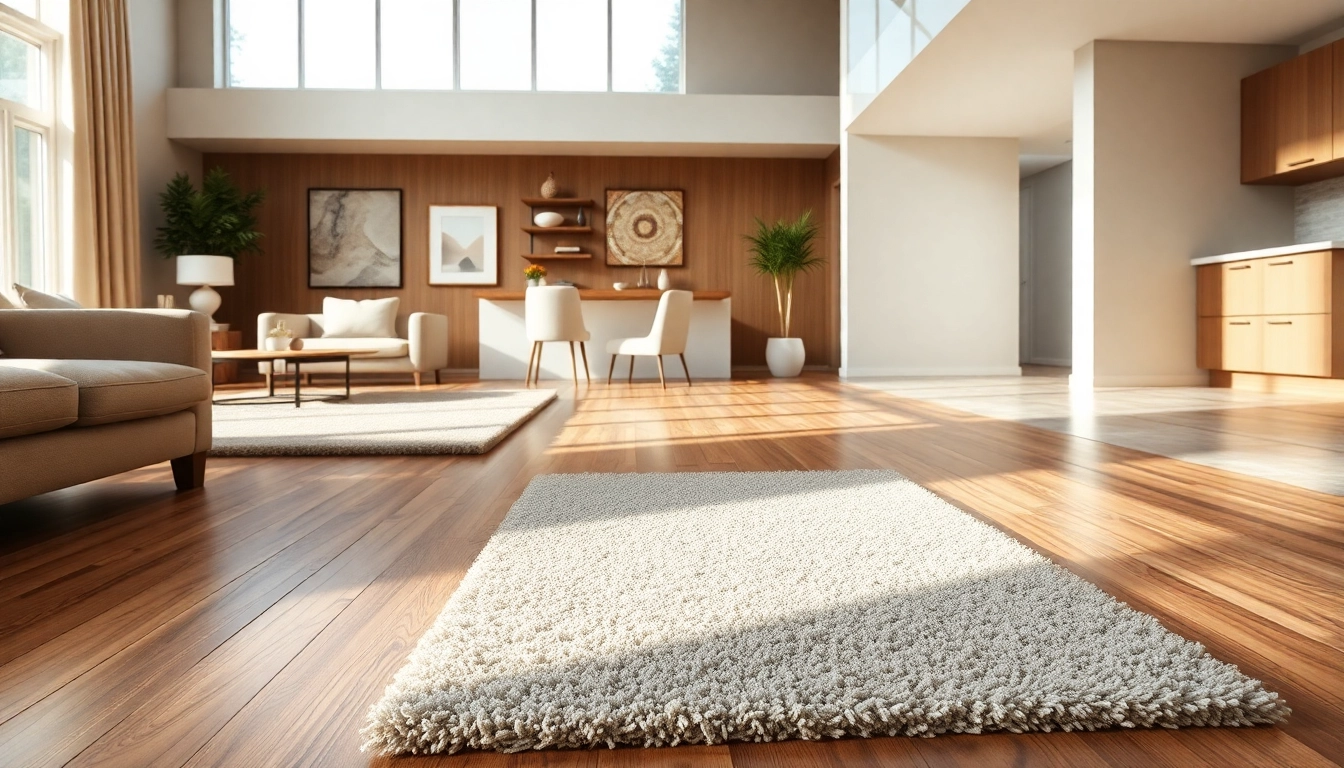
Understanding Different Types of Flooring
Choosing the right flooring for your home or business can significantly impact the overall aesthetic and functionality of a space. With so many options available, it’s essential to understand the different types of flooring, their benefits, and how they align with your needs. In this section, we’ll explore three main categories of flooring: hardwood, tile, and carpet, offering insights into their unique characteristics and advantages.
Hardwood Flooring: Timeless Elegance
Hardwood flooring has been a popular choice for centuries, celebrated for its durability, aesthetics, and ability to add value to a home. Made from solid pieces of timber, hardwood flooring comes in various species, each showcasing unique grains and colors.
One of the notable advantages of hardwood flooring is its longevity; when properly maintained, it can last for decades. Additionally, hardwood flooring can be sanded and refinished, allowing homeowners to restore its original beauty over time. Its natural warmth and classic look can complement nearly any interior design style, from traditional to contemporary.
However, there are considerations to keep in mind when opting for hardwood flooring. It can be susceptible to scratches and dents, especially in high-traffic areas. Moreover, hardwood reacts to changes in humidity and temperature, which may cause it to expand or contract. Rest assured, the beauty and long-term benefits often outweigh these challenges.
Tile Flooring: Versatile and Durable
Tile flooring is a go-to option for many homeowners due to its versatility and remarkable durability. Available in ceramic, porcelain, and natural stone varieties, tiles can suit various tastes and applications. Whether utilized in bathrooms, kitchens, or entryways, tile flooring can withstand moisture, stains, and heavy foot traffic more effectively than many other flooring types.
A standout feature of tile flooring is its design flexibility; it comes in various colors, patterns, and sizes, enabling homeowners to create customized looks that fit their personal style. Furthermore, it is easy to clean, making it an ideal choice for families with pets or young children.
However, tile can be cold and hard underfoot, which may not provide the same comfort as other flooring types. It’s also essential to consider the grout lines, as they can discolor over time and may require regular maintenance. Overall, tile flooring remains a practical and fashionable choice for any home.
Carpet Flooring: Comfort and Warmth
Carpeting offers a level of comfort and warmth that is hard to match, making it a favorite for bedrooms and living rooms. Available in a wide range of styles, colors, and textures, carpet can add a cozy touch to a space while also providing sound absorption and insulation.
Another advantage of carpet flooring is its affordability compared to hardwood or tile options. It is often simpler to install, with many homeowners opting for DIY methods. Plush carpet can create an inviting atmosphere, making spaces feel more intimate and welcoming.
However, carpet requires more maintenance than some other flooring types, as it can trap dirt, allergens, and spills. Regular vacuuming and professional cleaning are essential to maintain its appearance and hygiene. Additionally, carpets may not be the best choice for areas prone to moisture, such as kitchens or bathrooms. Nonetheless, the comfort and aesthetic appeal of carpet flooring make it a popular choice in many homes.
Factors to Consider When Selecting Flooring
Choosing the right flooring goes beyond merely aesthetic preferences. Various factors play a critical role in ensuring that your chosen flooring meets your lifestyle needs, aesthetics, and budget. Let’s dive into the key considerations when selecting your flooring.
Durability and Maintenance Requirements
The durability of your flooring should be a top priority, particularly if you have pets or heavy foot traffic. Different materials have varying levels of durability; for instance, hardwood is sturdy but requires periodic refinishing, while tile is extremely durable but can crack under heavy impact. Assess the maintenance needs of each type; some may require more frequent cleaning or professional care than others. Understanding these aspects can help guide your choice toward flooring that will last.
Style and Design Compatibility
Your flooring should harmonize with your home’s interior style. Consider the overall design theme when selecting your flooring; whether it’s modern, rustic, or classic, the right flooring can enhance your space. Research designs, colors, and textures that complement your existing decor, and consider samples in your home’s lighting before making a decision.
Budgeting for Your Flooring Project
Your budget is a significant factor in determining your flooring options. Flooring prices can vary widely based on material, style, and installation method. Calculate not only the flooring cost but also potential installation costs, as professional installation can add significantly to your total. Opting for DIY installation can save money, but ensure you have the necessary skills and tools to achieve satisfactory results.
Installation Process for Flooring
Once you’ve selected the perfect flooring, the next crucial step is installation. This phase plays a vital role in ensuring your investment looks and functions as intended. Here’s a closer look at the process of flooring installation.
Preparing the Space
Before installation, preparing the space is essential. Remove any existing flooring, ensuring a clean surface for your new flooring. Check the subfloor for damage, mold, or moisture issues, and address these problems before laying your new material. Additionally, acclimating your flooring to the room’s temperature and humidity can prevent expansion or contraction post-installation.
Choosing Professional Installation vs. DIY
Choosing between professional installation and DIY depends on your confidence and experience level. Professional installers bring expertise, ensuring that flooring will be laid correctly and efficiently. On the other hand, DIY can save costs if you have the right skills and tools. Consider your available time, capability, and the complexity of the task; certain types of flooring, like tile or hardwood, may require specialized skills.
Common Mistakes to Avoid
Several common pitfalls can arise during flooring installation. One of the main mistakes is neglecting to check the subfloor’s level and condition, which can lead to uneven flooring. Additionally, not allowing the flooring to acclimatize properly can result in warping or buckling. Lastly, ensuring proper transition pieces and thresholds are used between different flooring types can enhance aesthetics and functionality.
Maintaining Your Flooring for Longevity
Maintenance is critical to ensuring the longevity and appearance of your flooring. Different types of flooring have unique care routines, so it’s essential to adopt the best practices specific to your chosen material.
Routine Cleaning Tips
Developing a routine cleaning regimen is crucial for maintaining the beauty of your flooring. While hardwood may require sweeping or vacuuming with a soft brush, tile can benefit from a damp mop using appropriate tile cleaner. Carpets should be vacuumed regularly and professionally deep cleaned annually to prevent dirt buildup. Implement these strategies to keep your flooring looking its best.
Dealing with Scratches and Damages
Every flooring type can experience scratches or damages over time. For hardwood, minor scratches can often be buffed out or concealed with a wood repair kit. Tiles may require a replacement if cracked, but many options exist for tile repair, including adhesive fillers. For carpets, identifying the type of fabric can guide you in selecting the appropriate cleaning or repair method to tackle stains or tears effectively.
Seasonal Care for Different Flooring Types
Seasonal changes can impact your flooring in numerous ways. In winter, be cautious about snow and moisture tracking onto wood and carpet, as this can lead to damage and staining. In summer, ensure humidity levels remain stable to avoid warping in hardwood. Regular inspections and preventive maintenance during seasonal shifts can enhance the lifespan of your flooring.
Frequently Asked Questions About Flooring
What type of flooring is best for pets?
For pet owners, tile and luxury vinyl plank are excellent choices due to their durability and resistance to scratches. Quick cleaning of spills is also beneficial, ensuring a safe environment for your pets.
Can I install flooring over existing floors?
Yes, but ensure the existing flooring is in good condition, clean, and level. Some materials, like luxury vinyl and laminate, are designed for installation over other floors, while others may require more preparation.
How do I choose the right color for my flooring?
Consider the overall color palette of your space, lighting, and existing furniture. Neutral colors can provide versatility, while bold colors can become focal points. Test samples in your room to see how they look at different times of the day.
What is the lifespan of different flooring types?
Generally, hardwood can last 25 years or more, tile can last a lifetime with proper care, and carpets usually last between 5 and 15 years.
How do I find a reliable flooring installer?
Seek recommendations from friends or online reviews. Verify credentials, request quotes, and ensure the installer has experience with your chosen flooring type before making a decision.