
- Understanding Location Scouting in Video Production
- How Location Scouting Enhances Visual Storytelling
- Key Factors to Consider During Location Scouting
- The Role of Location Scouting in Budget Management
- Technology in Modern Location Scouting
- Collaboration Between Teams During Location Scouting
- Common Challenges in Location Scouting
- Location Scouting for Different Types of Video Production
- Tips for Successful Location Scouting
- Conclusion: Elevating Video Production Through Expert Location Scouting
Understanding Location Scouting in Video Production
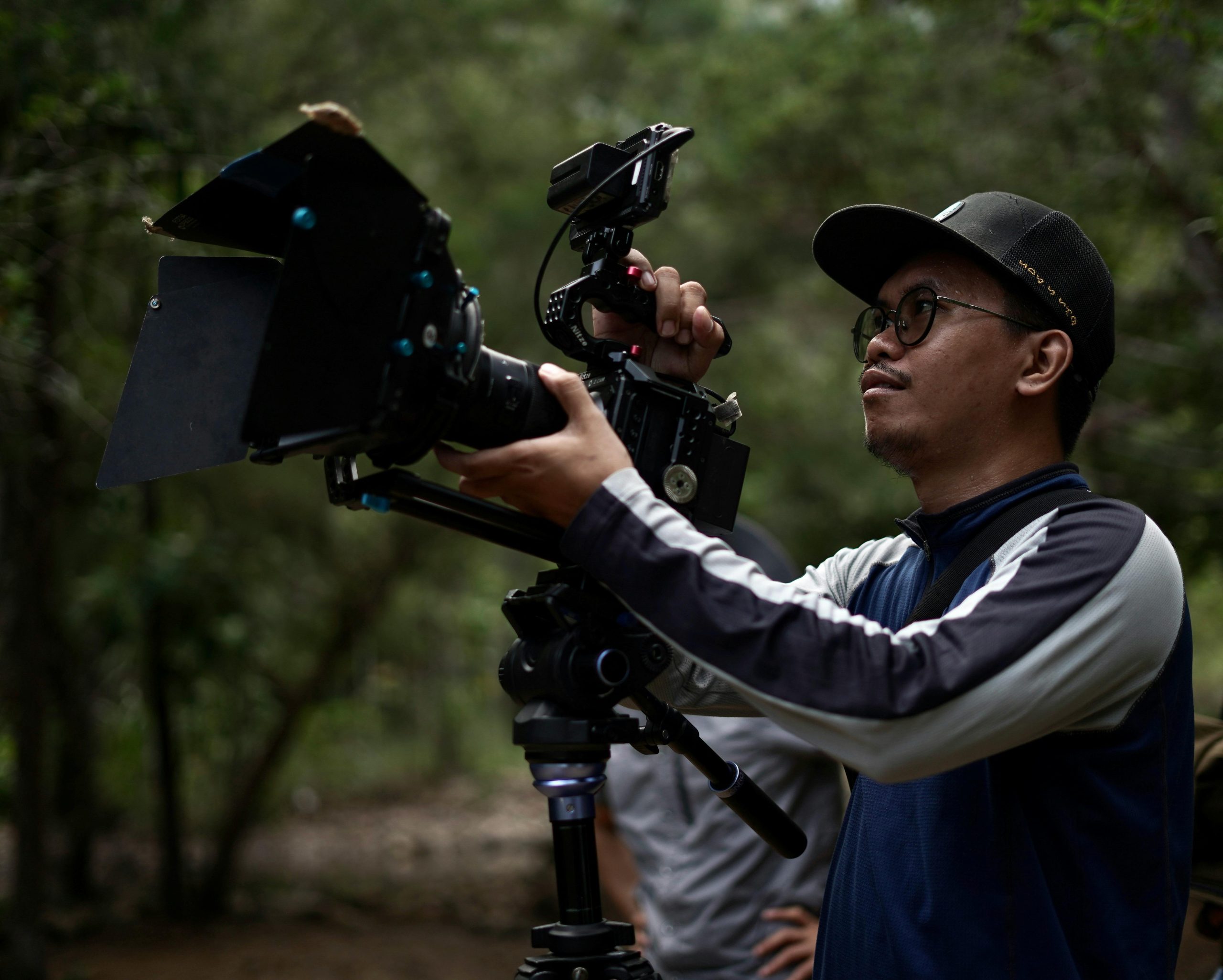
Location scouting is a crucial step in professional video production. It involves researching, visiting, and selecting the most suitable locations for filming. The process ensures that the visual aesthetic, lighting, accessibility, and logistical requirements align perfectly with the project’s vision. Without proper location scouting, even the most talented production team can face unexpected challenges that disrupt shooting schedules and inflate budgets. Effective Location scouting sets the foundation for a seamless and high-quality video production.
How Location Scouting Enhances Visual Storytelling
The right location can transform a video’s narrative and emotional impact. During location scouting, filmmakers assess the environment to find spaces that complement the storyline. For instance, a commercial video may require a modern, vibrant cityscape, while a cinematic short may benefit from a rustic, natural setting. By carefully considering each location’s textures, colors, and ambiance, location scouting directly influences the video’s tone, mood, and visual coherence.
Key Factors to Consider During Location Scouting
When conducting location scouting, several critical factors must be evaluated:
Accessibility and Logistics
A location may look perfect on paper but be challenging to access. Location scouting involves checking transportation options, parking availability, and permits. Ensuring easy access for crew, cast, and equipment minimizes delays and production stress.
Lighting and Natural Elements
Natural light significantly affects video quality. Location scouting helps determine the best times of day for shooting, angles for light, and potential weather-related challenges. Evaluating shadows, reflections, and natural lighting conditions ensures consistent footage throughout production.
Noise and Environmental Conditions
External noise, construction, or frequent traffic can interfere with audio recording. Location scouting identifies quiet, controlled environments that enhance sound quality. Environmental factors like wind, temperature, and seasonal changes are also considered to maintain shooting continuity.
Safety and Legal Considerations
Filming in public or private spaces requires legal clearance. Location scouting involves obtaining permissions, checking safety hazards, and assessing structural integrity. This step safeguards the production team and ensures compliance with local regulations.
The Role of Location Scouting in Budget Management
Location scouting helps producers plan the budget accurately. Identifying potential costs such as permits, rental fees, or travel expenses during scouting prevents unexpected financial overruns. By evaluating multiple locations in advance, location scouting allows for cost-effective solutions without compromising creative vision.
Technology in Modern Location Scouting
Advancements in technology have transformed location scouting. Drones provide aerial views for large-scale locations, while 3D mapping and virtual scouting tools allow filmmakers to visualize spaces before physical visits. These tools streamline the scouting process, saving time and enabling more informed decisions.
Collaboration Between Teams During Location Scouting
Location scouting is not solely the responsibility of the location manager. Directors, cinematographers, production designers, and producers collaborate to assess the potential of each site. This teamwork ensures that locations meet both aesthetic and practical requirements, aligning with the overall vision of the video shoot.
Common Challenges in Location Scouting
Even experienced crews face challenges during location scouting. Unpredictable weather, last-minute permit restrictions, or unexpected environmental changes can disrupt plans. Having backup locations and contingency strategies ensures production continues smoothly. Thorough location scouting minimizes risks and prepares the team for unforeseen circumstances.
Location Scouting for Different Types of Video Production
Whether it’s corporate videos, commercials, music videos, or narrative films, location scouting is indispensable. Each genre has unique requirements:
Corporate Video Location Scouting
Corporate videos often require professional, clean, and brand-aligned environments. Location scouting ensures office spaces, meeting rooms, or industrial sites reflect the company’s image and enhance viewer engagement.
Commercial Video Location Scouting
For commercials, location scouting identifies visually striking areas that capture attention. Creative backgrounds, urban streets, or lifestyle settings are evaluated to match the campaign’s message and target audience.
Narrative Film Location Scouting
Narrative films demand locations that support storytelling. Location scouting considers historical accuracy, cultural context, and visual authenticity to immerse audiences in the narrative world.
Tips for Successful Location Scouting
- Research extensively: Study online resources, social media, and past projects to identify potential sites.
- Visit multiple times: Scouting at different times of day helps understand lighting and activity patterns.
- Take detailed notes and photos: Document features, challenges, and opportunities for each location.
- Communicate with local authorities: Secure permissions early to avoid disruptions.
- Consider backup options: Always have alternative locations in case of unforeseen issues.
Conclusion: Elevating Video Production Through Expert Location Scouting
Location scouting is more than a preliminary step; it is a strategic process that impacts the entire production. By carefully evaluating accessibility, lighting, environmental conditions, safety, and budget, professional filmmakers ensure their projects succeed. Effective location scouting elevates storytelling, enhances production quality, and guarantees smoother operations on set. For any video shoot aiming for excellence, investing time and expertise in location scouting is essential.