
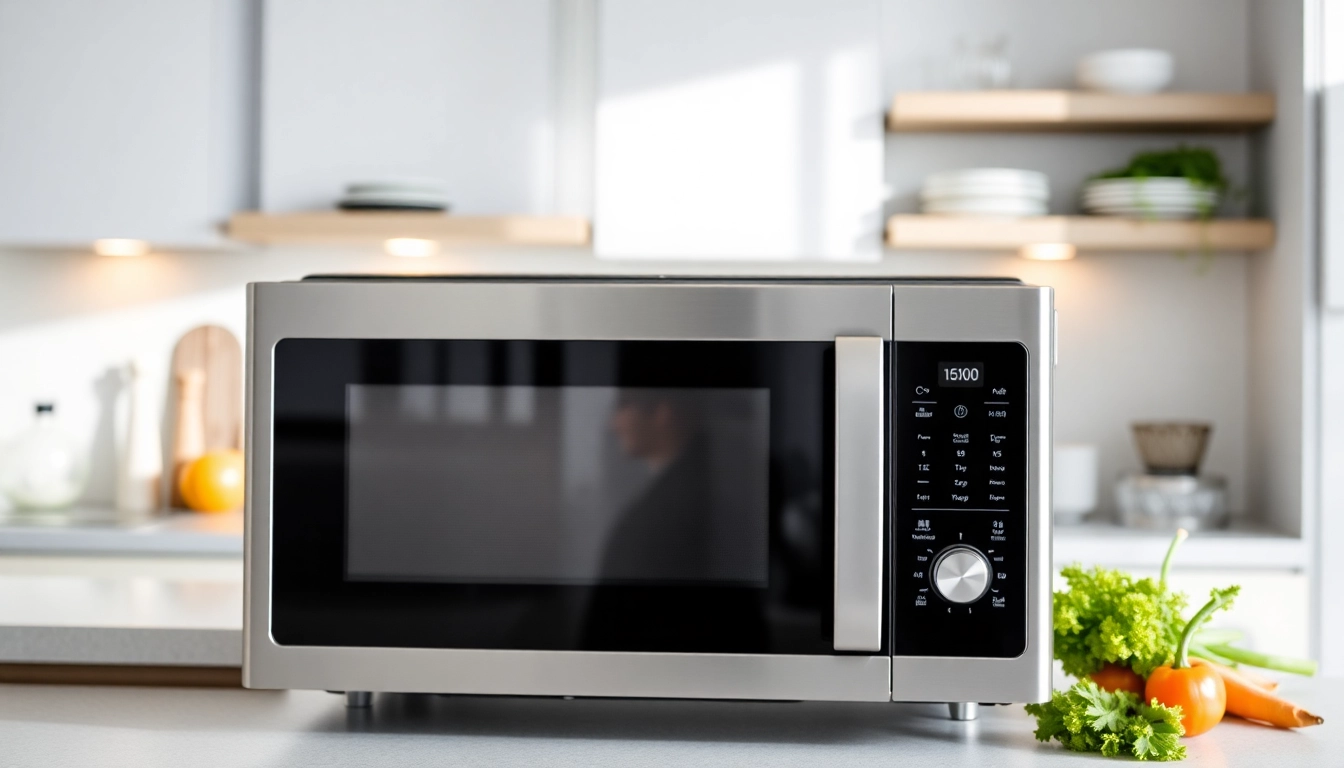
Introduction to Microwave Ovens
In kitchens around the world, the Microwave Oven has become an essential appliance, revolutionizing the way we prepare food. This innovative device uses electromagnetic radiation to heat and cook food quickly and efficiently, providing a convenient alternative to traditional cooking methods. Whether you’re reheating leftovers, defrosting frozen meals, or even baking, understanding the functionalities and benefits of a Microwave Oven can greatly enhance your culinary experience.
What is a Microwave Oven?
A Microwave Oven is a kitchen appliance that cooks or heats food using microwave radiation. It was first introduced in the mid-20th century and has since evolved to become a staple in modern homes. The microwave oven operates by emitting electromagnetic waves, which agitate water molecules in food, producing heat and cooking it from the inside out. This cooking method is fast and energy-efficient, making it an ideal choice for busy lifestyles.
Key Features of Microwave Oven
Modern Microwave Ovens come packed with a plethora of features designed to enhance usability and efficiency:
- Turntable: Most microwave ovens are equipped with a rotating turntable to ensure even cooking by rotating food during heating.
- Pre-programmed Settings: Many models include pre-set cooking functions for specific foods such as popcorn, pizza, and beverages, simplifying the cooking process.
- Sensor Cooking: This feature automatically adjusts cooking time and power based on the moisture level detected in the food.
- Multiple Power Levels: Allows users to choose varying power levels for different types of cooking, from reheating to defrosting.
- Child Lock: Many ovens incorporate safety features, including a child lock, to prevent accidental operation.
Benefits of Using a Microwave Oven
The advantages of incorporating a Microwave Oven into your kitchen are numerous:
- Speed: Microwave ovens can cook or heat food in a fraction of the time required by conventional cooking methods.
- Energy Efficiency: They consume less energy, as their cooking times are considerably shorter.
- Versatility: Ideal for a range of tasks from reheating and defrosting to cooking meals and baking.
- Space-Saving: Countertop models are compact and fit easily into small kitchens, offering practical solutions for various living situations.
- Retention of Nutrients: Microwave cooking can preserve more vitamins and minerals in food compared to traditional methods.
Types of Microwave Ovens
When selecting a Microwave Oven, it’s essential to consider the different types available to best suit your needs and kitchen space. The main types include:
Countertop Microwave Oven
Countertop Microwave Ovens are standalone units that can be placed on countertops. They are generally the most common type and come in various sizes, making them ideal for small to medium kitchens. Their portability allows for easy relocation and storage.
Built-in Microwave Oven
Built-in Microwave Ovens are designed to be installed into cabinetry, providing a seamless look in modern kitchens. They often come with advanced features and can include convection cooking functionalities. While they require a bit more planning regarding installation, they save countertop space and enhance kitchen aesthetics.
Over-the-Range Microwave Oven
Over-the-range Microwave Ovens double as a space saver and a range hood. They are mounted above the stove and help eliminate the need for a separate ventilation system. Their multi-functional design makes them popular in kitchens with limited space.
How to Choose the Right Microwave Oven
Selecting the right Microwave Oven can enhance your cooking efficiency and meet your specific requirements. Here are some important considerations:
Considerations Before Buying
Before purchasing a Microwave Oven, think about how you plan to use it. If you primarily intend to reheat food, a basic model may suffice. However, if you aspire to perform various cooking techniques, consider investing in a more advanced model with multiple features. Additionally, assess your kitchen space, budget, and the presence of electrical outlets.
Understanding Size and Power Options
Microwave Oven sizes typically range from 0.5 to 2.5 cubic feet, while power levels generally range from 600 to 1200 watts. Larger capacities are suitable for families or bulk cooking, while smaller models cater to individuals or those with limited kitchen space. Faster cooking times are often associated with higher wattage, so consider your cooking habits when choosing power levels.
Energy Efficiency Ratings
When selecting a Microwave Oven, it’s wise to consider its energy efficiency rating. Search for Energy Star-rated models which ensure lower energy consumption, helping you save on utility bills long-term while minimizing environmental impact.
Cooking Techniques with Microwave Ovens
Understanding various cooking techniques to employ with your Microwave Oven can maximize its potential. From reheating to unique cooking methods, here are some techniques to explore:
Defrosting and Reheating
One of the most popular uses for a Microwave Oven is defrosting frozen food. By using the defrost setting, users can safely and quickly thaw meat, vegetables, or leftovers without compromising quality. Additionally, reheating meals to the proper temperature can be achieved in seconds, making it an efficient option for those with busy schedules.
Baking and Cooking Tips
While many may not associate baking with the Microwave Oven, certain recipes can yield delightful results. Consider experimenting with mug cakes or quick desserts that can be prepared in minutes. For savory dishes, microwave cooking works well for steaming vegetables or quickly cooking rice. Remember to cover food to trap moisture and ensure even cooking.
Safety Practices for Microwave Use
To maximize the benefits of your Microwave Oven while ensuring safety, follow these practices: always use microwave-safe containers, avoid overheating liquids, and never operate the oven when it is empty. Regular maintenance, such as cleaning spills and checking for damaged parts, is also essential for safe operation.
Care and Maintenance of Microwave Ovens
To ensure the longevity and efficiency of your Microwave Oven, regular care and maintenance are crucial. Here are some best practices:
Cleansing and Sanitizing Your Microwave Oven
Cleaning your Microwave Oven helps maintain its effectiveness and keep food safe. Regularly wipe down the interior with mild detergent and warm water. For stubborn stains, a mixture of vinegar and water can help eliminate odors and disinfect surfaces. Don’t forget to clean the turntable and exterior as well!
Common Issues and Troubleshooting
Users may encounter common issues such as unresponsive control panels or inadequate cooking performance. In many cases, unplugging the unit and allowing it to sit for a few minutes can resolve minor glitches. If persistent issues arise, referring to the user’s manual for troubleshooting steps can be helpful.
When to Seek Professional Help
If you experience issues like sparking, unusual noises, or consistent failure to heat, it may be time to seek professional assistance. Always prioritize safety; hiring a qualified technician ensures your Microwave Oven is repaired correctly without risking personal safety or further damage to the appliance.
FAQs about Microwave Ovens
1. Can I use metal containers in a Microwave Oven?
No, never use metal containers in a Microwave Oven as they can cause sparks and fires. Use microwave-safe glass or ceramic dishes instead.
2. How long can I safely use a Microwave Oven?
Microwave Ovens typically last between 9 to 12 years with proper care. Regular maintenance can extend their lifespan beyond this range.
3. Do Microwave Ovens emit radiation?
Microwave Ovens emit non-ionizing radiation, which is safe for cooking and differs from harmful ionizing radiation. They are safe when used correctly.
4. Can I cook raw meat in a Microwave Oven?
Yes, you can cook raw meat in a Microwave Oven, but ensure it reaches safe internal temperatures to eliminate harmful bacteria.
5. What should I do if my Microwave Oven starts to smell?
Remove any food residues causing the smell and clean the interior thoroughly. If the odor persists, try placing a bowl of water with lemon juice inside and microwaving it to neutralize odors.