
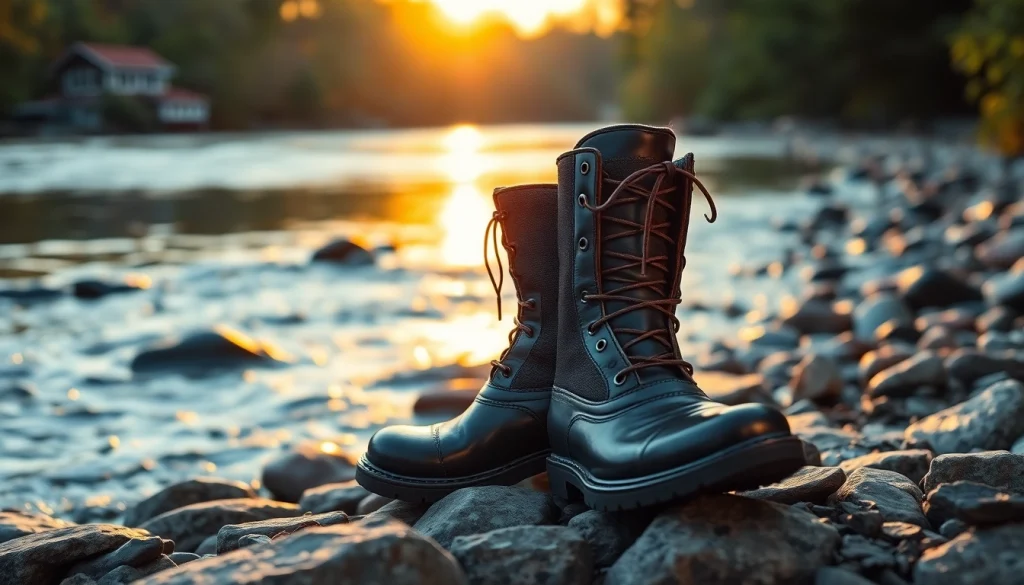
Understanding Fly Fishing Boots
What are Fly Fishing Boots?
Fly fishing is more than just a method to catch fish; it’s an art that requires the right gear for a successful expedition. Among the most essential pieces of equipment for any fly angler are fly fishing boots. These specialized boots are designed to provide anglers with comfort, support, and safety while traversing various aquatic environments.
Fly fishing boots typically differ from ordinary hiking or outdoor footwear in several key aspects. They are often designed with waterproof materials to keep feet dry in rivers and streams. Moreover, they provide increased grip on slippery surfaces, feature snug ankle support to prevent injuries, and may include drainage systems to remove water rapidly. As an angler spends hours standing in cold water, the significance of reliable footwear cannot be underestimated.
Why Invest in Quality Fly Fishing Boots?
Investing in quality fly fishing boots is crucial for several reasons:
- Comfort: Quality boots provide proper support and cushioning, making long hours spent fishing more enjoyable.
- Durability: Higher-grade materials ensure longevity, which means fewer replacements and better value over time.
- Safety: Proper traction and support diminish the risk of slips and falls in treacherous conditions.
- Performance: The right boots can enhance your casting ability and movement in the water, leading to a more enjoyable fishing experience.
Considering these factors, it becomes evident that quality fly fishing boots are not merely an accessory; they are an investment in your fishing performance and safety.
Common Materials Used in Fly Fishing Boots
Understanding the materials used in fly fishing boots can help anglers make informed choices. Common materials include:
- Neoprene: This material is valued for its insulation and water resistance, ideal for colder climates. Neoprene boots provide warmth without excessive weight.
- Gore-Tex: Known for its superior waterproofing capabilities, Gore-Tex is often used in higher-end fly fishing boots. It’s breathable, allowing moisture to escape while keeping water out.
- Rubber: Rigid, supportive, and waterproof, rubber is commonly used for the soles of fly fishing boots. Some designs have reinforced sections for enhanced durability.
- Cordura: This nylon fabric is known for its high abrasion resistance, making it excellent for the outer sections of fly fishing footwear.
By selecting boots made from high-quality materials that suit their fishing environment, anglers can enhance both their performance and comfort.
Key Features of Fly Fishing Boots
Importance of Waterproofing
Waterproofing is perhaps the most critical feature of fly fishing boots. When you’re standing in a stream or river, your feet are often submerged. Poorly designed boots can lead to soaked socks, discomfort, and even cold feet, which can spoil a fishing trip.
High-quality waterproof boots generally utilize technologies such as Gore-Tex, which not only keep water out but also allow perspiration to escape. Many anglers find that boots with reinforced seams and waterproof liners provide the best protection against water ingress.
Traction and Stability for Safe Fishing
Traction is essential for maintaining balance on wet, slippery rocks and uneven riverbeds. Fly fishing boots are designed with specialized outsoles that provide enhanced grip, which can be the difference between staying upright and taking a tumble. Vibram soles are a popular choice in the fly fishing community due to their exceptional grip on both wet and dry surfaces.
In addition to traction, stability is vital. Boots with ankle support can help prevent injuries, ensuring comfort and safety during long fishing sessions. This blend of traction and stability enables anglers to focus on the water rather than their footing.
Comfort and Fit Considerations
Comfort and fit should never be overlooked when selecting fly fishing boots. Ill-fitting boots can lead to blisters, sore feet, and a diminished fishing experience. Anglers should pay attention to the following fit considerations:
- Size: Ensure your boots are true to size and consider trying them on with the socks you plan to wear while fishing.
- Width: Some brands offer regular and wide options to accommodate different foot shapes.
- Padding: Look for boots with adequate cushioning to provide comfort during extended wear.
- Break-in period: Some boots may require a break-in period to achieve maximum comfort, so consider this when making a purchase.
Properly fitted boots will enhance agility and reduce fatigue, allowing anglers to remain focused on the thrill of the catch.
Choosing the Right Type of Fly Fishing Boots
Wading Boots vs. Hip Boots
Choosing the right type of fly fishing boots largely depends on the specific fishing environment. The two primary categories are wading boots and hip boots.
Wading Boots: These boots are designed for anglers who wade into the water. They typically have a low cut, making them more suitable for walking on land and entering the water. Wading boots usually have enhanced drainage features and are paired with waders to provide additional protection. Their lightweight design allows for comfort without sacrificing performance.
Hip Boots: These boots extend above the knee and provide ample protection from water. They are suitable for situations where the angler is likely to encounter deeper water. While they offer excellent waterproofing, they can be heavier and less suited for long treks over land.
The right choice depends on the angler’s fishing style, the depths they expect to encounter, and personal comfort preferences.
Best Styles for Different Fishing Environments
Different fishing environments present unique challenges that necessitate specific styles of boots:
- Rivers and Streams: A good pair of lightweight wading boots with aggressive outsoles is ideal for maintaining traction on slippery rocks.
- Lakes: Boots with thicker soles can provide comfort when walking on uneven, rocky shores or gravel beds.
- Saltwater Fishing: For saltwater fishing, corrosion-resistant materials and dedicated designs will protect against the harsh conditions found in coastal areas.
- Cold Water Conditions: Neoprene boots are recommended for colder water, as they offer insulation and warmth while remaining waterproof.
Choosing boots that are appropriate for the fishing location helps ensure comfort and safety throughout the fishing trip.
Features to Look For Based on Conditions
When choosing fly fishing boots for various conditions, several key features can enhance the experience:
- Insulation: For cold weather, look for boots with insulation layers to keep feet warm.
- Breathability: In warmer climates, focus on boots with moisture-wicking capabilities to prevent overheating.
- Drainage: Select boots with draining ports for quick water release, reducing weight while fishing in wet environments.
- Cushioning: Adequate cushioning becomes more critical in rocky or uneven terrain to absorb impacts.
By considering the specific conditions of your fishing environment and selecting the appropriate features, you can significantly improve your experience.
Top Brands for Fly Fishing Boots
Comparing Popular Brands
The market for fly fishing boots is competitive, with several recognized brands offering diverse products. Here are a few of the most popular brands, known for their quality and performance:
- Simms: Renowned for high-quality, durable fishing gear, Simms offers a variety of wading boots that feature advanced technologies for comfort and performance.
- Orvis: This well-established brand specializes in fly fishing equipment, and their boots are known for their craftsmanship and reliability.
- Patagonia: With a focus on sustainability, Patagonia’s boots combine responsible manufacturing with high performance.
- Hodgman: A more budget-friendly option, Hodgman’s boots are durable, well-constructed, and ideal for more casual anglers.
Understanding what each of these brands offers can help anglers make informed decisions based on personal needs and budget.
Reviewing Budget vs. Premium Options
While there are good options across all price ranges, your choice should be guided by how often you fish and the environments you typically encounter:
- Budget Options: Many anglers can find reliable boots in the $70-$150 range. These boots, while lacking some advanced features and materials, can perform adequately for casual fishing trips.
- Premium Options: Boots priced above $200 often feature the highest quality materials, enhanced comfort, advanced waterproofing systems, and durability. These boots are designed for avid anglers who fish frequently and in varying conditions.
Regardless of the price range, ensuring that the boots meet your needs and are built to last is essential for a satisfactory fishing experience.
Consumer Insights and Brand Reputation
When selecting fly fishing boots, it can prove advantageous to consider consumer reviews and brand reputation. Researching feedback from other anglers can provide insights into durability, comfort, and performance during real fishing experiences.
Look for detailed reviews that highlight the pros and cons of specific products, as this helps outline what to expect and ensure you are making a well-informed decision. Platforms like fishing forums and dedicated review sites can be valuable resources for gathering these insights.
Caring for Your Fly Fishing Boots
Cleaning and Maintenance Tips
To maximize the lifespan of your fly fishing boots, proper cleaning and maintenance are crucial. Here are some tips:
- Rinse After Use: Whether you’ve been in fresh or saltwater, always rinse your boots with fresh water after each use to remove dirt, sand, and other damaging elements.
- Dry Properly: Allow boots to air dry away from direct sunlight or heat sources. This helps prevent material degradation.
- Store Correctly: Store boots in a cool, dry place to avoid mold and mildew. Consider using boot trees to maintain their shape.
Following these practices can significantly prolong the life of your boots and maintain their performance.
When to Replace Your Fly Fishing Boots
Even the best pair of fly fishing boots will eventually need replacement. Here are some signs that it might be time for a new pair:
- Visible Damage: Cracks, tears, and worn-out areas on the uppers or sole.
- Lack of waterproofing: If your feet are consistently getting wet inside the boots.
- Decreased Traction: If you feel unstable or unsafe while wading, it’s time for an upgrade.
Regularly assessing your boots for these signs ensures that you remain safe and comfortable while fishing.
Maximizing Longevity of Your Investment
To get the most out of your fly fishing boots, consider the following tips:
- Rotate Footwear: If you fish frequently, consider owning multiple pairs. Rotating them can prevent wear and extend their life span.
- Use the Right Socks: Invest in moisture-wicking, cushioned socks to protect your boots and feet.
- Be Mindful of Terrain: Avoid dragging or scraping your boots against rough surfaces unnecessarily.
By practicing good habits and proper maintenance, you can significantly enhance the longevity and performance of your fly fishing boots.