
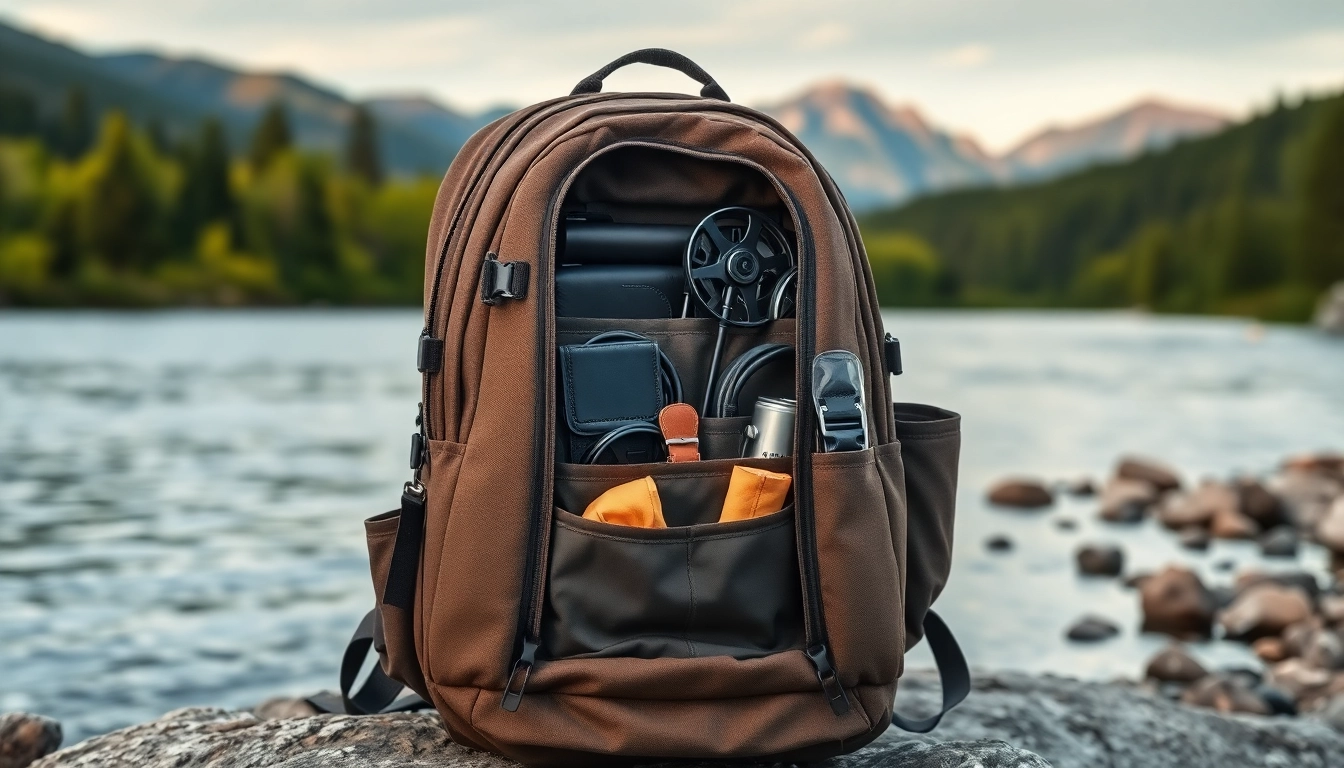
Understanding the Fly Fishing Backpack
What is a Fly Fishing Backpack?
A Fly fishing backpack is specifically designed for anglers who need to carry their fishing gear efficiently while maintaining comfort during long hours on the water. Unlike traditional backpacks, these specialized bags feature compartments and pockets adapted to hold items such as flies, line, tippets, and tools. The design often focuses on accessibility and organization, allowing quick retrieval of essential fishing items. Some models even incorporate innovative designs like rod holders and net attachments to streamline the fishing experience.
Key Features of Fly Fishing Backpacks
When choosing a fly fishing backpack, consider the following essential features:
- Water Resistance: Look for materials that offer water resistance or are waterproof to protect your gear against splashes and sudden downpours.
- Organizational Pockets: Pockets specifically designed for items such as flies, leaders, and tools can make a significant difference in organization.
- Ergonomic Design: A comfortable fit and effective weight distribution enhance your fishing experience and reduce fatigue on long trips.
- Compatibility: Some backpacks feature attachment points for additional gear like water bottles or rain jackets, ensuring you’re always prepared.
- Accessibility: Quick-access pockets and zippered compartments allow you to reach for your essentials without wasting time while fishing.
Why You Need a Dedicated Backpack for Fly Fishing
A dedicated backpack for fly fishing is crucial because it is tailored to meet the unique demands of the sport. Standard backpacks often lack the necessary compartments and design for secure storage of delicate gear, which can easily become damaged. Moreover, the ergonomic features and easy access built into fly fishing backpacks enhance your efficiency on the water, allowing for a more enjoyable experience. Investing in a purpose-built backpack means you can focus more on fishing and less on managing your gear.
Choosing the Right Size and Capacity
Understanding Sizes of Fly Fishing Backpacks
Choosing the right size of a fly fishing backpack depends on several factors, including your fishing style, gear quantity, and length of your trips. Backpacks generally come in three sizes:
- Day Packs: Ideal for short trips or day outings, typically offering enough space for essential gear.
- Weekend Packs: Perfect for multi-day trips, these packs can hold extra clothing, food, and equipment.
- Multi-Day Packs: Designed for extended trips, they provide ample space for all the necessary gear including sleeping equipment and larger provisions.
Assessing Your Gear Capacity Needs
Before selecting the size of your fly fishing backpack, take an inventory of the gear you plan to carry. Essential items may include rods, reels, flies, waders, lunch, and additional fishing tools. Factor in unexpected items you may acquire during your trips, such as snacks or a jacket for sudden weather changes. Ensuring your backpack has thoughtful organization will help keep everything you’ll need at hand while reducing unnecessary bulk.
Comparing Day Packs vs. Multi-Day Backpacks
Day packs are lightweight and designed for ease of movement, focusing on essential items. They usually lack extensive storage for clothing or food, emphasizing minimalist carrying. On the other hand, multi-day backpacks are more robust, with additional compartments for clothing and larger gear. For serious anglers planning longer expeditions, opting for a multi-day pack makes sense, as they prioritize comfort and organization, which can greatly enhance your experience.
Material and Durability Considerations
Waterproof vs. Water-resistant Materials
Understanding the difference between waterproof and water-resistant materials is key for any fly fishing backpack. Waterproof backpacks are completely impervious to water, often using specialized coatings or membranes to ensure nothing seeps through. Water-resistant fabrics, while they can withstand splashes or brief immersions, may not be suitable for prolonged exposure. For fly fishing, where unexpected splashes are common, a waterproof option is advisable to keep your gear safe.
Durability Factors to Consider
Choosing a durable backpack involves assessing the materials used and construction techniques. Look for high denier nylon or polyester, which offer good abrasion resistance. Reinforced stitching and high-quality zippers are also important; they contribute to the longevity of the backpack, especially when subjected to the rigors of outdoor activities. A reputable backpack will ideally come with some warranty or guarantee, promising quality and longevity.
Maintenance Tips for Longevity
To extend the life of your fly fishing backpack, regular maintenance is essential. Rinse your backpack with fresh water after each use, especially after saltwater fishing to prevent corrosion or damage. Allow it to air dry completely before storing it. Using treatments specifically designed for waterproofing can help maintain its protective qualities. Lastly, always store it in a cool, dry place to prevent mildew or fabric deterioration.
Organizational Features to Look For
Organizers and Compartment Options
Effective organization can significantly improve your fishing experience. Look for packs that have multiple compartments with specific designs for organizing flies, leaders, tippets, and tools. Some feature padded compartments for delicate gear, while others may have external attachment points for nets or rod holders. A well-organized backpack allows for quick retrieval of items without sorting through disorganized chaos.
Accessibility of Gear While Fishing
Accessibility is a critical feature in a fly fishing backpack. Opt for designs that allow front-facing access so you can easily grab what you need without taking the pack off. Pockets that are quick to access also save precious time, especially when you’re in the middle of an active fishing session. Consider backpacks with side pockets for items you frequently use, ensuring they are within reach at all times.
Best Practices for Packing Your Backpack
When packing your fly fishing backpack, adhere to these best practices for efficiency and comfort:
- Packing Heavily Used Items on Top: Place frequently used items such as lures and tools on top or in easily accessible pockets.
- Balance Weight: Distribute weight evenly to avoid discomfort or fatigue during long hikes to your fishing spot.
- Utilize All Pockets: Don’t forget about smaller pockets; they’re perfect for securing smaller tools and items.
Frequently Asked Questions about Fly Fishing Backpacks
What makes a fly fishing backpack different from other backpacks?
A fly fishing backpack features specialized compartments for fishing gear, waterproof materials, and ergonomic designs for comfort during extended use.
Can I use my fly fishing backpack for other outdoor activities?
Yes, most fly fishing backpacks are versatile enough for hiking and general outdoor use, although their design is optimized for fishing gear.
Are fly fishing backpacks generally waterproof?
Many fly fishing backpacks are designed to be water-resistant or waterproof, protecting your gear from unexpected weather conditions or splashes.
What size fly fishing backpack should I choose?
The size depends on the length of your fishing trips, the ammunition you typically carry, and your personal comfort preferences.
Any specific brands recommended for fly fishing backpacks?
It’s best to assess backpacks based on capacity, material, and features that suit your unique needs rather than focusing solely on brand names.